This article reviews the history and characteristics of the rare nude phenotype SCID, primarily distinguished by severe T cell immunodeficiency and notable skin and hair abnormalities, but reports no new clinical findings.
 February 2010 in “Journal of The American Academy of Dermatology”
 NB-002 is a promising new topical treatment for fungal nail infections, showing better results than a non-medicated option.
This study presents a rare instance of Netherton syndrome diagnosed incidentally in siblings of consanguineous parents, initially misdiagnosed as other skin conditions, emphasizing the need for careful evaluation in chronic skin cases to prevent misdiagnosis.
81 citations
,
February 2014 in “EMBO molecular medicine” This study found that prolonged Nrf2 activation in mouse keratinocytes led to enlarged sebaceous glands, hair loss, and cysts, suggesting a role for Nrf2 in conditions like MADISH.
1 citations
,
November 2003 in “SKINmed Dermatology for the Clinician” This case report describes a 17-year-old patient diagnosed with Netherton syndrome, characterized by pruritic dry skin, short brittle hair, and elevated IgE levels, treated with antihistamines and emollients.
 July 2022 in “Journal of Investigative Dermatology”
 This study found that the transcription factor Lef1 is crucial for normal skin and hair development and wound healing, highlighting its role in regulating essential genes and pathways in papillary fibroblasts.
33 citations
,
June 2009 in “Journal of Cutaneous Pathology” This article discusses the cutaneous side effects of erlotinib, an EGFR inhibitor, in a patient with non-small cell lung cancer, reporting nonscarring alopecia and indicative scalp biopsy findings.
 103 citations
,
March 2011 in “PLoS Biology”
103 citations
,
March 2011 in “PLoS Biology” This study found that a mutation in the BMP12/GDF7 gene is associated with the Naked neck trait in chickens, reducing neck feathering due to altered signaling pathways.
10 citations
,
December 1990 in “Archives of Dermatological Research” 2 citations
,
September 2020 in “International Journal of Molecular Sciences” In this study, the elimination of NG2+ hair follicle stem cells during the anagen phase was associated with an aggravated sensitization phase of allergic contact dermatitis, suggesting their immunosuppressive role.
January 2024 in “Animals” In this study, researchers found that circERCC6, a circular RNA identified in cashmere goat hair follicles, helps activate secondary hair follicle stem cells, with its role dependent on specific m6A modifications that interact with miR-412-3p to regulate BNC2 expression.
August 2016 in “The journal of investigative dermatology/Journal of investigative dermatology” This study observed that ECMs produced by papillary fibroblasts showed the largest fibers and supported keratinocyte differentiation better than reticular fibroblast matrices, informing biomimetic material design for skin tissue engineering.
39 citations
,
December 1998 in “Journal of Cell Science” This study found that the LEF-1 binding site acts as an enhancer element for the wool keratin intermediate filament gene promoter in hair follicle cortex, with specificity regulated by additional factors.
November 2022 in “Journal of Investigative Dermatology” This study reported that an HS-associated NCSTN mutation in iPSC-derived skin organoids led to altered hair follicle stem cell differentiation and increased expression of proteins linked to HS inflammation.
April 2026 in “Dermatological Reviews” In this study, both radiofrequency microneedling and ultrasound treatments with a plant-based secretory factor hair serum enhanced hair and scalp health in subjects with androgenetic alopecia, with ultrasound showing more pronounced improvements in hair appearance, density, and color.
99 citations
,
January 2004 in “Progress in brain research” This review examines the role of neurotrophins in hair follicle development and remodeling, highlighting potential therapeutic applications for hair growth disorders, but it reports no new empirical findings.
 11 citations
,
August 2023 in “Burns”
11 citations
,
August 2023 in “Burns” This review explores the molecular mechanisms through which NGF may enhance burn wound healing by reducing healing time and improving scar quality, but it presents no new clinical results.
 August 2015 in “Free Radical Biology and Medicine”
 This study found that Nrf2 activation protected keratinocytes from UVB damage but also caused thickening, inflammation, and cysts, limiting its therapeutic potential for skin protection.
 April 2018 in “Journal of Investigative Dermatology”
 This study found that inhibiting NF-κB Essential Modulator (NEMO) in senescent murine dermal fibroblasts successfully reduced key factors associated with the senescence associated secretory phenotype (SASP), highlighting its potential as a therapeutic target for aging-related diseases.
 February 2020 in “International Journal of Current Microbiology and Applied Sciences”
 This study found that canine hair follicle stem cells in vitro expressed markers associated with multipotency, suggesting their potential role in the hair cycle.
39 citations
,
July 1993 in “The journal of investigative dermatology/Journal of investigative dermatology” This study found that daily injections of basic and acidic fibroblast growth factor in newborn mice significantly delayed hair follicle development within the treatment area, while epidermal growth factor affected the entire body coat and caused skin hyperkeratinization.
 May 2026 in “Journal of the Egyptian Womenʼs Dermatologic Society”
 This review discusses microneedling radiofrequency in cosmetic dermatology, particularly for skin texture improvement and various conditions, and reports no new clinical results.
This case study reports that early genetic testing and targeted therapies, such as secukinumab, can significantly improve skin barrier function in patients with Netherton syndrome, despite persistent symptoms.
28 citations
,
January 2023 in “Cell Transplantation” This study found that the Hy-Tissue Nanofat product isolates a significant number of proliferative nucleated cells and shows potential for regenerative medicine due to its rich content of adipose-derived stem cells and pluripotent MUSE cells.
3 citations
,
October 2019 in “EMBO molecular medicine” This study reports that the nuclear receptor co-repressor 1 (NCoR1) inhibits cardiac hypertrophy by stabilizing the MEF2 and class II HDACs complex, potentially offering a target for new therapies.
September 2019 in “The journal of investigative dermatology/Journal of investigative dermatology” This study found that the PPARγ modulator NAC-GED-0507-Levo may protect hair follicles from chemotherapy-induced damage, potentially offering a strategy to address irreversible hair loss in cancer patients.
1 citations
,
April 2023 in “Preprints.org” This study found that the guided SEFFI technique for facial volume restoration and anti-aging is minimally invasive with a low complication rate, suggesting it as a promising treatment option.
 35 citations
,
May 2008 in “Journal of Clinical Oncology”
35 citations
,
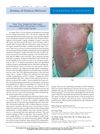
May 2008 in “Journal of Clinical Oncology” A cancer patient died from a severe skin reaction after taking the drug cetuximab.
 July 2026 in “bioRxiv (Cold Spring Harbor Laboratory)”
 This study identified a new FAK isoform, FAKΔe4, which is regulated by ECM stiffness and affects cell migration, invasion, and mechanosensing in human-derived data and engineered models.
2 citations
,
December 2024 in “Microscopy Research and Technique” This study introduced a novel microscopy system using an Er3 + −doped femtosecond fiber laser, achieving detailed imaging of biological structures in plant and skin samples with improved spatial resolution for various applications, including in vivo imaging.