June 2025 in “Journal of Ultrasound in Medicine” This study reports that high-frequency ultrasound can characterize frontal fibrosing alopecia by assessing dermal atrophy, hair follicle changes, and subclinical inflammation.
22 citations
,
February 2023 in “European Journal of Neurology” This study found that fremanezumab was effective in reducing migraine headache days by at least 50% for the majority of patients with high-frequency episodic or chronic migraine who had failed previous treatments.
 12 citations
,
October 2016 in “Anais Brasileiros de Dermatologia”
12 citations
,
October 2016 in “Anais Brasileiros de Dermatologia” This review discusses the increasing reports of frontal fibrosing alopecia, a form of scarring alopecia, and its potential link to autoimmune disorders, but reports no new clinical results.
9 citations
,
January 2023 in “Journal of Clinical Medicine” This study presents a validated questionnaire, the FFA-QLI, which effectively assesses and differentiates the quality of life impact among patients with frontal fibrosing alopecia, showing greater sensitivity in identifying severe cases than the DLQI.
2 citations
,
January 2016 in “Dermatology online journal” This case report describes a 46-year-old man diagnosed with frontal fibrosing alopecia, a condition primarily affecting postmenopausal women, highlighting its rare occurrence in men.
 18 citations
,
February 2022 in “Cell Death Discovery”
18 citations
,
February 2022 in “Cell Death Discovery” In this study, researchers found that hair follicle-derived mesenchymal stem cells, modified to overexpress extracellular matrix protein 1, significantly improved liver function and reduced liver damage in cirrhotic mice by inhibiting hepatic stellate cell activation and TGF-β/Smad signaling.
 April 2016 in “Journal of Investigative Dermatology”
 This study identified mefloquine as a potent inducer of lethal ER stress that effectively eliminated vemurafenib-resistant and sensitive melanoma cells, suggesting its potential for repurposing as a melanoma treatment.
1 citations
,
January 2022 in “Oxidative Medicine and Cellular Longevity” This study found that hair follicle-derived mesenchymal stem cells can alleviate pyroptosis and improve ulcerative colitis symptoms in mice, suggesting potential new treatments for the condition.
 71 citations
,
October 2008 in “The journal of investigative dermatology/Journal of investigative dermatology”
71 citations
,
October 2008 in “The journal of investigative dermatology/Journal of investigative dermatology” This study presents a novel in vitro assay using human folliculoid microspheres to research hair growth, which may facilitate preclinical testing of hair growth-modulatory agents.
3 citations
,
January 2017 in “Acta Dermato Venereologica” This study found that a specific T-cell receptor motif associated with lipid-antigen stimulation may play a role in the pathogenesis of folliculotropic mycosis fungoides.
June 2026 in “Frontiers in Medicine” This study evaluated the 308-nm excimer laser as an adjuvant treatment for frontal fibrosing alopecia and found it may stabilize hairline recession and improve erythema and perifollicular hyperkeratosis, with transient erythema as the only reported adverse effect.
 20 citations
,
February 1991 in “Archives of dermatology”
20 citations
,
February 1991 in “Archives of dermatology” In this study, researchers found that high-dose tryptophan ingestion before symptom onset may be linked to clinical features resembling eosinophilia-myalgia syndrome in patients with eosinophilic fasciitis.
14 citations
,
February 2003 in “Journal of the American Academy of Dermatology” This case report describes the first use of laser capture microdissection to confirm that atypical lymphocytes in a folliculotropic mycosis fungoides case involving the central nervous system were part of the same tumor clone.
39 citations
,
May 2006 in “Molecular Plant-Microbe Interactions” This study suggests that fusaric acid at nontoxic concentrations may activate signal transduction in plants which could aid in the plant-defense responses against Fusarium spp.
15 citations
,
January 2018 in “Journal of Cutaneous Medicine and Surgery” This case report presents a 6-year-old boy with both folliculotropic mycosis fungoides and primary follicular mucinosis, providing insights on differentiating the two conditions in pediatric patients.
1 citations
,
November 2022 in “International journal of molecular sciences” This study found that local injections of fetal tissue mesenchymal stromal cells in mice significantly improved healing and hair follicle density after high-dose radiation-induced skin damage.
January 2025 in “Clinical Case Reports” This case study details the successful treatment of macrophage activation syndrome with dexamethasone and cyclosporine in a 36-year-old woman with adult-onset Still's disease, highlighting the critical importance of timely aggressive treatment.
August 2019 in “Journal of the American Academy of Dermatology” Frontal fibrosing alopecia may be caused by an autoimmune reaction and hormonal imbalance.
November 2024 in “Dermatology and Therapy” In this review, cosmetic practices such as non-ablative lasers, autologous fat injections, and oral isotretinoin may help alleviate certain symptoms of frontal fibrosing alopecia, while treatments like deep chemical peels and ablative laser therapies are contraindicated due to potential scarring risks.
 April 2017 in “Journal of Investigative Dermatology”
 This study found that fisetin, a dietary flavonoid, significantly improved psoriasiform skin lesions in mice by promoting cell differentiation, inhibiting proliferation, and modulating inflammatory responses.
17 citations
,
June 2022 in “Frontiers in Nutrition” This study found that fermented Flammulina velutipes polysaccharides showed higher antioxidant and anti-inflammatory capacities than non-fermented ones, suggesting potential use in functional foods and health products.
 2 citations
,
October 2002 in “American Journal of Nursing”
2 citations
,
October 2002 in “American Journal of Nursing” This article provides contact details and affiliations for Amy M. Karch and Fred E. Karch; it presents no new research findings.
December 2016 in “Anales del sistema sanitario de Navarra” This case study reports successful treatment of frontal fibrosing alopecia with daily 2.5mg finasteride in a 77-year-old woman.
 5 citations
,
July 2019 in “Photodiagnosis and photodynamic therapy”
5 citations
,
July 2019 in “Photodiagnosis and photodynamic therapy” This study reports a case of a 59-year-old female with refractory follicular mucinosis and diffuse scalp alopecia who achieved complete clinical remission following treatment with a combination of topical tacalcitol and photodynamic therapy.
 April 2026 in “Scientific Reports”
 In this study, the proposed MSF-VMDNet, combining dual encoder networks with a multi-frequency domain mechanism, significantly outperformed existing methods in segmenting skin cancer tissues from histological slide images, achieving high accuracy with an MIoU of 95.37% and a Dice coefficient of 95.11%.
51 citations
,
May 1984 in “Journal of the American Academy of Dermatology” In this study, the authors observed that cell-mediated immune mechanisms may be involved in the pathogenesis of benign follicular mucinosis, based on the cellular and immunological characteristics of two patient cases.
 8 citations
,
November 1990 in “Archives of Dermatology”
8 citations
,
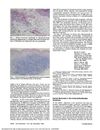
November 1990 in “Archives of Dermatology” This case report details a woman with eosinophilia-myalgia syndrome associated with L-tryptophan ingestion, highlighting skin lesions with abundant dermal mucin.
8 citations
,
July 2017 in “The journal of investigative dermatology/Journal of investigative dermatology” This study identified four circulating microRNAs as highly predictive of frontal fibrosing alopecia status, suggesting potential roles in diagnostics and disease understanding.
In this retrospective study, all-female patients with iron deficiency anemia treated with ferric carboxymaltose experienced rapid symptom resolution and increased ferritine and hemoglobin levels, with some reporting manageable side effects such as rash and headache.
2 citations
,
January 2019 in “Skin appendage disorders” This article reports a case of frontal fibrosing alopecia in its early inflammatory stage that responded positively to intralesional steroid treatment.