 May 2026 in “International Journal of Drug Delivery Technology”
 This review discusses PRP therapy's history, mechanisms, and innovations in its use across various medical fields, but provides no new clinical results; the authors highlight challenges like standardization and regulatory issues.
 December 2025 in “Eastern Ukrainian Medical Journal”
 This study reviews current methods for making and using platelet-rich plasma and fibrin, emphasizing the variability in clinical outcomes due to differences in preparation protocols, and calls for standardized guidelines and large-scale studies for better effectiveness in regenerative medicine.
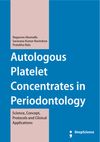
In this book, the authors provide an accessible overview of platelet concentrates and their dental applications, highlighting their role in tissue healing and regeneration, and reviewing recent studies on their efficacy in periodontal therapy, implant dentistry, and oral surgery.

This study found that elastin-like recombinamer (ELR) wound dressings promote tissue regeneration and stability without rejection in ex vivo and in vivo models, indicating potential for hard-to-heal wound treatment.
 December 2023 in “Frontiers in endocrinology”
 This review explores the role of hyperandrogenism, including adrenal-derived 11-oxygenated androgen, in the development of polycystic ovarian syndrome and discusses potential therapeutic strategies targeting androgen excess, without reporting new clinical results.
 December 2022 in “bioRxiv (Cold Spring Harbor Laboratory)”
 This study found that inducing miR-205 reduces actin contractility and stiffness in hair follicle stem cells and progenitors, stimulating hair regeneration in both young and old mice.

This research found that keratin hydrogels derived from human hair may support cell viability and proliferation, indicating potential as 2D and 3D soft tissue culture scaffolds.
 September 2013 in “Molecular Biology”
 This study found that Satura Rosta Balm exerts a cytotoxic effect under oxidative stress and may trigger regeneration through autophagic pathways, despite not promoting proliferation or stress resistance in human cells.
 13 citations
,
January 2016 in “Burns & Trauma”
13 citations
,
January 2016 in “Burns & Trauma” This review discusses the effects of vacuum massage on skin structures and concludes that there is insufficient evidence for its efficacy in treating burn scars, suggesting more research is needed on its potential benefits and mechanisms.
 11 citations
,
August 2009 in “Expert Opinion on Drug Discovery”
11 citations
,
August 2009 in “Expert Opinion on Drug Discovery” This review discusses current challenges in selective androgen receptor modulator discovery and preclinical evaluation and reports no new results, emphasizing the need for basic research to improve safety and selectivity.
 3 citations
,
September 2024 in “Frontiers in Bioscience-Scholar”
3 citations
,
September 2024 in “Frontiers in Bioscience-Scholar” This study reported that Pantaneiro sheep from the Pantanal region of Brazil exhibit greater genetic variability and adaptability compared to the commercial Texel breed, highlighting their potential for further research and importance in Brazilian sheep farming.
 1 citations
,
February 2018 in “InTech eBooks”
1 citations
,
February 2018 in “InTech eBooks” This paper discusses the need for comprehensive evaluation and management of lean polycystic ovary syndrome patients due to their unique risks, but reports no new results.
 December 2023 in “Jurnal Penelitian Pendidikan IPA”
 In this laboratory study on mice, researchers found that both platelet-rich plasma and salmon DNA serum promoted wound healing, with platelet-rich plasma providing faster results due to its bioactive growth factors.
 January 2019 in “Advances in stem cells and their niches”
 This review outlines the various fibroblast subsets in the skin dermis, their origins, and their influence on epidermal stem cell behavior, highlighting the role of the local dermal niche in stem cell plasticity.

This study suggests that targeting the increased expression of SIX1 in systemic sclerosis may be a viable strategy for addressing dermal fibrosis.
 August 2024 in “Qucosa (Saxon State and University Library Dresden)”
 In this study on mice, researchers observed that dermal white adipose tissue (dWAT) plays a key role in regulating skin inflammation and tissue repair; however, reduced expression of certain cytokines in obese mice may hinder these processes, indicating potential metabolic disruptions in dWAT during inflammation.
19 citations
,
October 2023 in “Bioengineering” This study reviewed the efficacy of mechanical fractionation techniques to produce tissue stromal vascular fraction (tSVF) and found that tSVF injections are particularly effective for conditions like osteoarthritis and wound healing, with centrifugation before fractionation improving isolation efficiency regardless of preparation method.
7 citations
,
May 2025 in “Cells” This review describes adipose tissue-derived therapies as promising for osteoarthritis, with potential to repair cartilage, reduce inflammation, and enhance joint function, highlighting advancements and their potential future applications.
2 citations
,
June 2025 in “ACS Biomaterials Science & Engineering” This study demonstrates that encapsulating cell-free fat extract in a gelatin methacrylate hydrogel enhances flap repair by sustaining angiogenesis, reducing oxidative stress, and offering favorable biocompatibility in a murine skin flap model, thereby advancing potential clinical flap necrosis treatments.
88 citations
,
August 2014 in “PLOS genetics” This study found that mice lacking syndecan-1 experienced cold stress and metabolic issues due to reduced intradermal fat, which was restored by thermoneutral housing or rosiglitazone treatment.
 9 citations
,
March 2023 in “Biomimetics”
9 citations
,
March 2023 in “Biomimetics” This review discusses current strategies and materials in tissue engineering for skin regeneration, emphasizing design approaches and suggesting directions for future research; it reports no new clinical findings.
 September 2025 in “Clinical Case Reports”
 In this study, researchers suggested that adipose-derived exosomes could be a promising treatment option for lichen planopilaris, particularly in cases resistant to standard therapies, by potentially aiding in symptom management and hair preservation.
5 citations
,
May 2024 in “BMC Biotechnology” This study found that using three-dimensional cell culture with Matrigel enhances the biological function and stemness of stem cells, leading to improved soft tissue repair and healing by activating the host microenvironment and autologous stem cells.
2 citations
,
February 2024 in “STAR Protocols” In this research, an optimized protocol was developed for dissociating human scalp tissue to produce high-quality single-cell suspensions suitable for single-cell RNA sequencing, aimed at studying the transcriptomics of human hair follicles.
169 citations
,
February 2018 in “Immunity” In this study, researchers found that quiescent stem cells resist immune attack due to downregulated antigen presentation, which may help explain the immune evasion of early cancer-initiating cells.
13 citations
,
October 2021 in “International Journal of Molecular Sciences” In this study, an immortalized MSC line from human adipose tissue showed potential for applications in regenerative medicine and inflammatory diseases through production of active factors, demonstrated in vitro.
5 citations
,
May 2024 in “BMC Genomics” This study analyzed the transcriptome of the Tianzhu white yak, identifying differential transcripts that shed light on the molecular mechanisms influencing hair length growth variation in this species.
August 2025 in “Journal of Polymer Science” This review reports that combining adipose-derived stem cells with decellularized extracellular matrix enhances tissue repair by improving scaffold biological activity and promoting angiogenesis, integration, and functional regeneration across various tissues, while addressing challenges in traditional transplantation methods.
 August 2023 in “Stem Cell Research & Therapy”
 This study found that cell-free fat extract (CEFFE) enhanced hair growth in mice with androgenetic alopecia by increasing hair follicle density and promoting proliferation while regulating the DHT/AR pathway.
 May 2023 in “Stem Cells International”
 In this study, researchers used single-cell RNA sequencing to identify cell types and molecular differences in subcutaneous adipose tissue from various anatomical sites, suggesting that certain subpopulations of human adipose stem cells might improve the treatment of chronic refractory wounds.