November 2025 in “OPAL (Open@LaTrobe) (La Trobe University)” This study found that gentamicin-loaded exosomes derived from bovine leukocyte spleen extract enhanced antimicrobial activity and promoted tissue regeneration in infected diabetic mouse wounds, suggesting a potential innovative therapeutic strategy for diabetic foot ulcers by combining infection control with pro-regenerative and immunomodulatory effects.
14 citations
,
May 2008 in “Journal of Visualized Experiments” This article details a protocol for isolating and culturing embryonic neural crest stem cells from the whisker follicles of adult mice.

This study found that elastin-like recombinamer (ELR) wound dressings promote tissue regeneration and stability without rejection in ex vivo and in vivo models, indicating potential for hard-to-heal wound treatment.
 2 citations
,
January 2023 in “BioMed Research International”
2 citations
,
January 2023 in “BioMed Research International” The researchers reported that a 5% Beta vulgaris L. extract nanogel showed better antialopecic activity in testosterone-induced alopecia in mice compared to a 2.5% concentration.
This study observed that mesenchymal stem cell-conditioned medium accelerated burn wound healing in rats by enhancing epidermal growth factor presence, improving wound closure, collagen density, and re-epithelialization compared to the control.
19 citations
,
January 2023 in “ACS Omega” This study developed sodium alginate and epigallocatechin gallate cryogels cross-linked with ferric ions, showing that they have strong antibacterial properties and rapid hemostatic abilities, making them promising candidates for wound dressing applications.
September 2025 in “Frontiers in Pharmacology” This study found that the meropenem-loaded spanlastic formulation showed strong potential as an effective topical therapy for bacterial skin infections in non-diabetic mice, demonstrating superior therapeutic activity and wound healing compared to free meropenem.
 40 citations
,
March 2022 in “Small”
40 citations
,
March 2022 in “Small” In an animal model, this study found that PEG hydrogels delivering M2 macrophage-derived exosomes effectively promoted M1 to M2 macrophage transition and enhanced wound healing.
February 2025 in “Universidade Nova de Lisboa's Repository (Universidade Nova de Lisboa)” This research discusses various collaborative and funding efforts across multiple institutions but does not present new experimental findings.
 1 citations
,
July 2022 in “Pakistan biomedical journal”
1 citations
,
July 2022 in “Pakistan biomedical journal” This review discusses ethanol-based transethosome vesicles for drug delivery through the skin, but reports no new clinical results.
 1 citations
,
April 2023 in “Biomaterials advances”
1 citations
,
April 2023 in “Biomaterials advances” In this study, researchers developed gellan gum hydrogels functionalized with biomimetic peptides that create a supportive microenvironment for human dermal papilla cells, enhancing their hair-inductive capacity and ability to mimic hair morphogenesis-like events in vitro.
 1 citations
,
October 2022 in “Molecular therapy”
1 citations
,
October 2022 in “Molecular therapy” This study found that betibeglogene autotemcel significantly improved transfusion independence in 89% of patients with transfusion-dependent beta-thalassemia, although the high cost and manufacturing challenges may limit widespread adoption.
January 1996 in “Journal of Society of Cosmetic Chemists of Japan” This article reports preliminary findings on developing a stable emulsion-based semi-permanent hair dye by optimizing emulsification methods, surfactants, and conditioning ingredients.
9 citations
,
February 2025 in “Journal of Nanobiotechnology” In this study, researchers found that using bioinspired nanovesicles derived from inflammation memory-activated epidermal stem cells effectively promoted healing in diabetic wounds by reprogramming neutrophils to an anti-inflammatory phenotype in both laboratory and animal models.
 3 citations
,
January 2008 in “Journal of the American Academy of Dermatology”
3 citations
,
January 2008 in “Journal of the American Academy of Dermatology” A patient's skin rash did not affect the area where a previous viral rash was healing, suggesting a rare immune response.
This study found that encapsulating dermal papilla spheroids in alginate hydrogel with extracellular matrix proteins increased alkaline phosphatase activity, suggesting an enhanced manipulation of dermal papilla activity.
1 citations
,
June 2019 in “Current Developments in Nutrition” This study found that after 12 weeks of taking 10 mg of S-equol daily, over 90% of participating perimenopausal and menopausal women reported improvements in symptoms like hot flashes, night sweats, and sleep disturbances.
 1 citations
,
October 2025 in “Nano Research”
1 citations
,
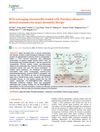
October 2025 in “Nano Research” In this study, researchers developed a dissolvable microneedle patch combining HA-TEMPO and Portulaca oleracea L.-derived nanoparticles, which effectively reduced oxidative stress and inflammation in an atopic dermatitis model while restoring immune balance, suggesting a promising treatment strategy.
April 2016 in “International Journal of Drug Delivery” This study found that finasteride ethosome formulations with specific ethanol and soya lecithin concentrations significantly enhanced transdermal drug delivery compared to a potential nanogel.
2 citations
,
January 2022 in “BioMed Research International” This study found that newly developed nanogels for transdermal delivery of finasteride were stable, showed excellent drug permeation through the skin, and ensured biocompatibility without causing irritation or toxicity.
14 citations
,
March 2021 in “Regenerative Biomaterials” This study found that incorporating cell-adhesive ligands into 3D peptide hydrogels supports the survival and osteogenic differentiation of human amniotic mesenchymal stem cells.
 August 2026 in “Zenodo (CERN European Organization for Nuclear Research)”
 This study developed a herbal hair serum using Embelia ribes seed extract, finding it exhibited promising antifungal properties and appropriate characteristics for scalp application, indicating potential as a natural hair care product.
 November 2025 in “Zenodo (CERN European Organization for Nuclear Research)”
 This review examined natural hair gels, incorporating an experimental polyherbal gel, and reported that these formulations possess multifunctional benefits for hair health, while also highlighting the importance of product safety and potential for innovative delivery systems.
33 citations
,
February 2009 in “European journal of pharmaceutics and biopharmaceutics” This study found that porcine ear skin is more suitable than excised human skin for investigating the efficacy of barrier emulsions in preventing pollen allergen penetration due to its lack of tissue contraction.
January 2023 in “International Journal of Molecular Sciences” This study found that a double-crosslinked hydrogel using GelMA and sulfhydrylated chitosan showed promising results in healing full-thickness skin wounds in rats by accelerating tissue repair and promoting collagen and blood vessel formation.
6 citations
,
April 2019 in “Advances in Pharmacology and Pharmacy” This study found that methanol extract of Mimosa pudica showed dose-dependent sedative effects in mice, suggesting its potential for developing new sedative and anti-anxiety medications.
 9 citations
,
April 2021 in “Evidence-based complementary and alternative medicine”
9 citations
,
April 2021 in “Evidence-based complementary and alternative medicine” This study found that Guilu Erxian Glue significantly alleviates various doxorubicin-induced side effects in mice, enhancing exercise capacity and reducing oxidative stress and inflammation.
October 2014 in “Microscopy” This study found that using ionic liquid for specimen preparation allowed for observation of dermal papilla cells and their cilia in near-living conditions, reducing damage typically caused by conventional preparation methods.
 August 2026 in “Zenodo (CERN European Organization for Nuclear Research)”
 In this study, researchers developed an herbal hair serum using Embelia ribes seed extract and found it demonstrated promising antifungal properties and suitable characteristics for scalp application, suggesting its potential as a natural hair care product.
 40 citations
,
June 2013 in “Molecular Pharmaceutics”
40 citations
,
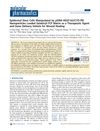
June 2013 in “Molecular Pharmaceutics” This study demonstrates that transfected epidermal stem cells using a novel 3D transfection system significantly enhanced wound healing and may serve as an effective therapeutic agent and gene delivery method for wound treatment.