 19 citations
,
January 2013 in “Journal of Cutaneous Medicine and Surgery”
19 citations
,
January 2013 in “Journal of Cutaneous Medicine and Surgery” This study found that patients with alopecia areata exhibit a stronger deficiency in coping with stress compared to those with androgenetic alopecia and controls, suggesting a psychosomatic component to the condition.
 4 citations
,
January 2017 in “Ciência Rural”
4 citations
,
January 2017 in “Ciência Rural” This case report highlights that equine multisystemic eosinophilic epitheliotropic disease should be considered in horses presenting with skin lesions and gastrointestinal symptoms, as illustrated by the progression in a 5-year-old horse despite treatment.
 1 citations
,
August 2017 in “Asian Journal of Pharmaceutical and Clinical Research”
1 citations
,
August 2017 in “Asian Journal of Pharmaceutical and Clinical Research” The 1% ethyl acetate fraction ethosomal gel from Nothopanax scutellarium leaves promotes hair growth but can mildly irritate the skin.
 May 2024 in “Animal genetics”
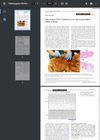
 The researchers investigated a Maine Coon cat with suspected classical Ehlers-Danlos Syndrome and discovered a heterozygous deletion in the COL5A1 gene, underscoring the value of whole-genome sequencing for precise veterinary diagnostics.
November 2025 in “Indian Journal of Dermatology” This study reports a rare cluster of four patients with ectodermal dysplasia, highlighting its typical dental and dermatological manifestations and the necessity of multidisciplinary management.
1 citations
,
December 2022 in “Zenodo (CERN European Organization for Nuclear Research)” This article reviews existing instruments for measuring emotional intelligence, comparing time-established and popular questionnaires, but it provides no new research findings.
August 2011 in “BIO-PROTOCOL” This protocol paper details methods for live imaging and analysis of dividing germline stem cells in C. elegans and reports no new research findings.
 May 2021 in “IP Indian journal of clinical and experimental dermatology”
 This article highlights the various dermoscopic signs described in dermatology but reports no new clinical results.
12 citations
,
July 2011 in “Experimental Dermatology” This study found that mEGF ethosomal delivery systems mainly penetrated mice skin through the pilosebaceous unit and successfully induced hair follicles to transition from the telogen to anagen phase.
 84 citations
,
April 2013 in “Applied Microbiology and Biotechnology”
84 citations
,
April 2013 in “Applied Microbiology and Biotechnology” This review discusses the current research and development of mannosylerythritol lipids, particularly focusing on their potential commercial applications in cosmetics; it reports no new results.
 9 citations
,
July 2017 in “Dermatologic Therapy”
9 citations
,
July 2017 in “Dermatologic Therapy” Two elderly men developed scalp inflammation after using a gel for skin lesions, which healed with treatment except for some permanent hair loss.
This study characterized the physical-chemical properties of Eclipta alba and identified compounds in the plant that could support its use in developing hair loss treatments.
5 citations
,
May 2017 in “Journal of dermatological science” This study reviewed the genetic and phenotypic aspects of Olmsted syndrome, highlighting pathogenic mutations in TRPV3 and MBTPS2 genes and their association with specific skin manifestations like symmetrical keratoderma and hyperkeratotic plaques.
 19 citations
,
January 2009 in “Journal of Young Pharmacists”
19 citations
,
January 2009 in “Journal of Young Pharmacists” This study found that the alcoholic extract of Eclipta alba exhibited dose-dependent antianaphylactic effects in animal models, possibly due to membrane stabilization and reduced histamine release.
189 citations
,
July 2009 in “The Journal of clinical investigation/The journal of clinical investigation” This review discusses how research on keratin biology has enhanced the understanding of epidermolysis bullosa simplex and indicates potential new therapeutic approaches, but it presents no new experimental results.
 June 2026 in “Revista Brasileira de Saúde”
 This study reviewed current scientific evidence on the use of exosomes for treating alopecias, finding they may stimulate dermal papilla cell proliferation and modulate inflammation, though challenges in standardization and long-term efficacy remain.
This study found that niosomal aminexil was more clinically effective for hair growth than conventional aminexil solutions, and that niosomes facilitated aminexil penetration through rat skin without propylene glycol.
August 2026 in “Veterinary and Animal Science” This study investigated key genes associated with hair follicle cycle regulation and environmental adaptation in Xinjiang goats, highlighting ELOVL3's role in promoting dermal papilla cell proliferation under varying climates, potentially aiding in cashmere quality improvement and stress-resistant breeding.
May 2025 in “Dermatology Online Journal” This report describes a rare case of eyelash overgrowth and eyelid irritation in a woman treated with erlotinib for lung adenocarcinoma, highlighting a potential side effect of the drug.
1 citations
,
October 2018 in “InTech eBooks” This chapter reviews ethosomes for targeted drug delivery to the scalp in androgenetic alopecia and reports no clinical results; the authors emphasize reducing systemic side effects.
July 2026 in “Chemical Engineering Journal” 2 citations
,
March 2016 in “Düşünen Adam” This case report describes alopecia associated with escitalopram use, which improved upon switching to duloxetine, and examines existing literature on antidepressant-related hair loss.
 31 citations
,
July 2017 in “Journal of the American Academy of Dermatology”
31 citations
,
July 2017 in “Journal of the American Academy of Dermatology” This study observed that apremilast treatment improved skin lesions and reduced pruritus in patients with chronic, severe atopic dermatitis and one case of hand and foot dermatitis.
January 2024 in “Elsevier eBooks”  January 2024 in “Brazilian Journal of Veterinary Pathology”
 In this case report, veterinarians observed a 16-year-old mare with symptoms including chronic weight loss, pruritus, muscle atrophy, and lameness, which gradually progressed to neurological issues despite initial treatment.
9 citations
,
July 2022 in “Journal of Clinical Oncology” This study found that oral paclitaxel combined with encequidar improved tumor response rates compared to intravenous paclitaxel in women with metastatic breast cancer, while also reducing neuropathy but increasing certain gastrointestinal and neutropenic side effects.
 7 citations
,
January 2023 in “Frontiers in cell and developmental biology”
7 citations
,
January 2023 in “Frontiers in cell and developmental biology” This study found that Celsr1, not Celsr2, is the primary protein involved in establishing planar cell polarity and hair follicle polarization in the epidermis of mice.
May 2023 in “Cytotherapy”  4 citations
,
July 1994 in “Clinics in Dermatology”
4 citations
,
July 1994 in “Clinics in Dermatology” This review discusses the emergence and impact of eosinophilia-myalgia syndrome related to L-tryptophan and offers insights into environmental factors affecting sclerodermatous conditions, with no new research findings presented.