 January 2025 in “Journal of Dermatology & Dermatologic Surgery”
 This study found that patients with telogen effluvium had a higher quality of life score compared to controls, despite no significant difference in self-esteem.
 January 2025 in “Therapeutic Advances in Medical Oncology”
 This study found that many young women with breast cancer experience a poor quality of life over time, especially regarding sexual health, future perspective, and hair loss.
 January 2025 in “International Journal of Dermatology Research”
 This study found that patients with alopecia areata had a significantly higher mean platelet volume compared to healthy individuals, suggesting a potential link between hematological markers and the severity of the disease.
 January 2025 in “Advances in Dermatology and Allergology”
 This study suggests that foods and drugs containing sulfhydryl groups may induce or worsen pemphigus vulgaris.

In this study, researchers identified an elite germplasm of the medicinal plant Eclipta alba, known for its liver disease benefits, with higher growth, yield, and wedelolactone content, suitable for large-scale cultivation to reduce strain on wild populations.
December 2024 in “International Journal of Scientific Reports” This study found that OZiva+ advanced hair growth serum significantly increased hair follicle length and showed no irritation, indicating it may be a safer alternative to traditional hair loss treatments like minoxidil.
 December 2024 in “Cell Communication and Signaling”
 This study found that subcutaneous adipose tissue-derived extracellular vesicles (AT-EVs) protect skin from photodamage by enhancing fibroblast proliferation and reducing oxidative stress compared to those from adipose-derived stem cells.
 December 2024 in “Kahramanmaraş Sütçü İmam Üniversitesi Tıp Fakültesi Dergisi”
 This study found that switching patients with alopecia areata unresponsive to topical clobetasol 17 propionate 0.05% to anthralin treatment led to improved treatment success.
 November 2024 in “Pharmaceutics”
 This study found that dutasteride-loaded transfersomes, compared to traditional liposomes, better target hair follicles by releasing the drug in a more controlled manner, as shown in vitro with enhanced follicular targeting (Tf = 0.32 versus 0.15, p < 0.005) using porcine ear skin.
 October 2024 in “Archives of Dermatological Research”
 The study found that patients with androgenetic alopecia had higher serum GPER-1 levels, which were associated with disease severity and duration, indicating a potential estrogen-independent role of GPER-1 in the condition's pathogenesis.
October 2024 in “Cosmetics” This study found that while most women reported aesthetic improvement after PRP facial injections, objective skin analyzer data showed no significant changes, but midface volume improvement was more likely in those with lower platelet counts and higher estradiol levels.
 September 2024 in “Vietnam Journal of Biotechnology”
 This study found that astaxanthin effectively protected human dermal papillae cells from oxidative stress induced by hydrogen peroxide, reducing the percentage of cells expressing a stress marker significantly, suggesting potential benefits for hair loss treatment related to reactive oxygen species.
 September 2024 in “International Journal of Research in Dermatology”
 This study found that the combination of PRP with topical minoxidil and finasteride showed the most significant improvement in hair pull tests and patient satisfaction for male androgenetic alopecia, surpassing individual therapies and placebo over a six-month period.
 September 2024 in “Skin Research and Technology”
 This study used atomic force microscopy to identify significant morphological differences in hair from patients with lichen planopilaris compared to healthy controls, noting more scratches, uneven edges, and pitted scales in affected hair, which may aid future research on the condition.
 August 2024 in “Bionatura journal :”
 This study found that the hydromethanolic extract of Carthamus caeruleus L. rhizome demonstrated significantly higher antioxidant and cytotoxic activities compared to the chloroformic extract, particularly against NCI-H460 lung carcinoma cells, suggesting its potential use as a traditional treatment for burns.
 July 2024 in “Deleted Journal”
 This study found that using PRP with the FUE method of hair restoration led to better graft survival, aesthetic outcomes, and patient satisfaction compared to not using PRP.
 June 2024 in “International Research Journal of Modernization in Engineering Technology and Science”
 This study developed and evaluated a Neem, Tulsi, and Aloe vera-based anti-dandruff shampoo, finding it effective and safe, potentially offering a natural alternative to conventional antifungal shampoos for managing dandruff and maintaining scalp health.
 June 2024 in “Kushtia Medical College Journal”
 This observational study conducted at Kushtia Medical College explored the socio-demographic and clinical profiles of 100 women with PCOS, highlighting that a significant number of these patients experienced infertility, dysmenorrhea, and metabolic abnormalities, suggesting a need for timely therapeutic interventions.
 June 2024 in “Journal of Islamic International Medical College”
 This study evaluated serum copper and zinc levels in individuals with various types of alopecia and found that low zinc levels are associated with all types of alopecia, while low copper levels are specifically related to male pattern hair loss.
 May 2024 in “Journal of drug delivery and therapeutics”
 This study found that women with polycystic ovarian syndrome at a gynecology clinic in Nnewi exhibited significant oxidative stress and hormonal imbalances compared to controls.
 April 2024 in “JMIR infodemiology”
 This study found that TikTok provides valuable insights into experiences with lupus erythematosus, highlighting distress from symptoms, negative perceptions of pharmacologic treatments, and issues with feeling "medically gaslighted.
 March 2024 in “Asian journal of beauty & cosmetology”
 In this study, Derma Genie™-H001 was shown to reduce inflammation, counteract oxidative and UVB-induced damage, and support hair growth-related gene expression in human dermal papilla cells, suggesting its potential as a functional cosmetic ingredient to alleviate hair loss symptoms.
February 2024 in “Medicina” In this study, researchers used atomic force microscopy to capture and analyze morphological changes in the surface of healthy hair, identifying features such as pitting and rod-shaped macro-fibrillar elements, which could inform future research on hair conditions and care.
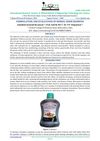 January 2024 in “International Research Journal of Modernization in Engineering Technology and Science”
 This study formulated a poly-herbal shampoo using ingredients like hibiscus, neem, and alo-vera and evaluated its cosmetic properties, reporting positive organoleptic and physico-chemical characteristics, with the potential for safe use as a hair cleansing and conditioning product.
 January 2024 in “International Journal of Trichology”
 This study found that regardless of alopecia type, follicular unit extraction resulted in good patient satisfaction concerning appearance and visual age.
 January 2024 in “Современные проблемы науки и образования (Modern Problems of Science and Education)”
 Miliacin helps extend the hair growth phase in mice with hair loss.
 January 2024 in “İstanbul Kuzey Klinikleri”
 This study found that low ferritin levels are associated with higher telogen ratios in women with diffuse hair loss, suggesting an important role of ferritin in telogen effluvium diagnosis.
In this study, low-dose oral minoxidil was found to have a favorable safety profile for treating alopecia, with mostly mild side effects, in both general and hypertensive populations.
 January 2024 in “Wiadomości Lekarskie”
 In this study, researchers examined a patient with ZMYM2::FGFR1 fusion-positive leukemia, finding that Pemigatinib showed efficacy, while Ponatinib resistance was linked to a specific FGFR1 mutation. Other FGFR inhibitors demonstrated high effectiveness in ex vivo assays.
December 2023 in “Deleted Journal” This research project focused on developing a herbal hair serum using natural ingredients like Flaxseed, Aloe Vera, and Vitamin E, aimed at addressing issues like hair fall and dandruff while promoting overall hair health. Results of the study are not reported.