62 citations
,
November 2022 in “Acta Pharmaceutica Sinica B” This study reported that an injectable hydrogel based on platelet-rich plasma and laponite improved wound healing in diabetic and normal rats by enhancing angiogenesis and macrophage polarization.
 2 citations
,
March 2016 in “The Journal of Dermatology”
2 citations
,
March 2016 in “The Journal of Dermatology” The researchers reported that the facial Psoriasis Log-based Area and Severity Index (fPLASI) more reliably and sensitively captured clinical improvement in facial psoriasis than the existing facial Psoriasis Area and Severity Index (fPASI).
 January 2024 in “Annals of Dermatology”
 This study found that DPCP immunotherapy effectively treats alopecia areata, identifying factors that influence treatment response and patient satisfaction, which may aid in standardizing the treatment for improved outcomes.
2 citations
,
December 2024 in “Journal of Cosmetic Dermatology” In this study, the integration of AI-driven SNP profiling and epigenetic insights in cosmetic dermatology was highlighted as a key development toward personalized skincare, potentially improving treatment effectiveness and reducing side effects.
 1 citations
,
April 2019 in “Journal of Investigative Dermatology”
1 citations
,
April 2019 in “Journal of Investigative Dermatology” This study examined the safety and efficacy of dupilumab in adolescents with moderate-to-severe atopic dermatitis, finding that it was well tolerated and significantly improved symptoms over 52 weeks, with its safety profile similar to that in adults.
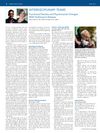
The interdisciplinary approach improved the quality of life for a Parkinson's patient and eased staff workload.
 8 citations
,
September 2003 in “Journal of dermatological science”
8 citations
,
September 2003 in “Journal of dermatological science” This study investigated the effects of substance P on human hair growth but found its role in hair follicle physiology remains unclear.
 2 citations
,
December 2021
2 citations
,
December 2021 This study found that the observed isotropic ss-ECD spectrum of finasteride is influenced by the anisotropy of locally oriented crystals, offering new possibilities for analyzing solid-state chiral materials.
 September 2024 in “Journal of the American Academy of Dermatology”
 This introduction highlights that a common challenge with managing dandruff, a mild form of seborrheic dermatitis, is compliance with treatment, and notes that selenium disulfide shampoo is beneficial for this condition.
 November 2024 in “Communities in ADDI (University of the Basque Country)”
 Antisense oligonucleotides show promise for treating Myotonic Dystrophy type I.
2 citations
,
January 1999 in “Dermatology”  April 2019 in “Journal of Investigative Dermatology”
 This study demonstrated that gene-corrected 3D skin constructs from RDEB patient-derived iPSCs, grafted onto immunocompetent mice, showed normal collagen VII expression after two months.
37 citations
,
February 2005 in “Journal of Investigative Dermatology” This research suggests that defects in keratinocyte differentiation due to putrescine accumulation in SSAT transgenic mice lead to skin changes and hair loss, and reducing putrescine can promote hair regrowth.
7 citations
,
August 2008 in “Immunogenetics” A gene mutation in mice causes increased mast cells and disorganized hair follicles in their skin.
 2 citations
,
March 2023 in “Experimental neurology”
2 citations
,
March 2023 in “Experimental neurology” In this study, pregnenolone was found to dose-dependently reduce L-DOPA-induced dyskinesias in a rat model of Parkinson's disease, suggesting its potential as a therapeutic target for these dyskinesias.
This chapter provides dermatology trainees with insights on managing lichen planopilaris, emphasizing treating active disease to prevent further hair loss and recommending a tapered course of oral steroids for disease stabilization.
 12 citations
,
May 2003 in “Journal of dermatological science”
12 citations
,
May 2003 in “Journal of dermatological science” This study found that the heat shock cognate protein Hsc70 was differentially expressed by dihydrotestosterone treatment in SV40-transformed dermal papilla cells, suggesting its involvement in androgen action on these cells.
 August 2019 in “Journal of Investigative Dermatology”
 This study found that the desmosomal protein desmoplakin is crucial for proper epidermal morphogenesis and radial intercalation in developing Xenopus embryos, affecting keratin organization and ectodermal structures.

In this study, researchers optimized the culture strategy for dermal papilla cells and established a promising immortalized cell strain, iDP6, which resembles primary DP cells and is suitable for further research applications.
 May 2026 in “Frontiers in Pharmacology”
 In this study, DOP treatment improved hair regrowth in androgenetic alopecia by altering local steroid metabolism and follicular morphology.
69 citations
,
October 2014 in “Stem Cells” This study found that PDGF-D acts as a potent mitogenic factor in adipose-derived stem cells, enhancing their proliferation, migration, and growth factor expression, suggesting its use as a preconditioning agent for ASC transplantation.
4 citations
,
February 2023 in “Stem Cell Research & Therapy” This study found that papillary dermal fibroblast progenitors in newborn mouse skin can be isolated and cultured to generate male germline cell precursors, demonstrating their potential through differentiation into cells with meiotic capability.
50 citations
,
December 2017 in “Nanoscale” This study found that polymeric micelle formulations significantly improved the targeted delivery of adapalene to hair follicles compared to standard Differin® products, which suggests potential advantages in treating hair follicle-related conditions and reducing side effects.
This abstract details known indications, categories, and potential reactions for various drugs, including anorexiants, estrogens, NSAID analgesics, cardiac glycosides, and migraine preventives, without reporting new clinical results.
10 citations
,
January 2024 in “Heliyon” This study found that dexpanthenol treatment reduced inflammation, oxidative stress, and apoptosis in rats, providing a protective effect against lipopolysaccharide-induced cardiac and endothelial damage.
15 citations
,
March 2014 in “Acta naturae” This study found that human dermal papilla cells reprogram into induced pluripotent stem cells with higher efficiency than dermal fibroblasts, demonstrating their potential as an alternative source for iPS cells.
37 citations
,
September 2009 in “JEADV. Journal of the European Academy of Dermatology and Venereology/Journal of the European Academy of Dermatology and Venereology” This study found that diphencyprone is an effective and safe treatment for extensive alopecia areata, especially with long-term therapy and maintenance to reduce relapse risk.
 April 2023 in “Journal of Investigative Dermatology”
 This study demonstrated that the Epidermal Biopotential Sensing System (EBSS) can measure digital biomarkers of pain in mice, suggesting potential applications in assessing pain and screening analgesics in populations with communication difficulties.
November 2016 in “Pediatric dermatology” This article describes the development of a patient handout database by the SPD to provide reliable medical information for use by various healthcare providers; it reports no new clinical results.
297 citations
,
December 2005 in “Journal of controlled release” This study found that POD-loaded solid lipid nanoparticles using 0.5% poloxamer 188 and 1.5% soybean lecithin (P-SLN) improved epidermal targeting and POD accumulation in porcine skin compared to traditional tincture.