October 2023 in “Research Square (Research Square)” This study developed a composite product from decellularized human placental connective tissue matrix and placental extract, finding that the combination showed improved biochemical and mechanical properties compared to each component alone, suggesting its potential use for treating chronic and deeper wounds.
 28 citations
,
September 2013 in “Journal of Investigative Dermatology”
28 citations
,
September 2013 in “Journal of Investigative Dermatology” This research reviews the roles of dermal papilla signaling in hair follicle development and suggests new genetic tools could advance bioengineering therapies for alopecia, but it reports no new results.
 August 2022 in “Frontiers in genetics”
 This study identified a novel bi-allelic missense variant in the DSC3 gene linked to severe Hypotrichosis with Recurrent Skin Vesicles in a Saudi child, supporting its role in the condition.
 1 citations
,
November 2025 in “Clinical Chemistry and Laboratory Medicine (CCLM)”
1 citations
,
November 2025 in “Clinical Chemistry and Laboratory Medicine (CCLM)” This study developed a new measurement procedure using isotope dilution-liquid chromatography-tandem mass spectrometry for accurate quantification of DHEAS in human serum or plasma, demonstrating high selectivity, sensitivity, and low measurement uncertainty, making it suitable for routine standardization and clinical evaluation.
 54 citations
,
December 2014 in “Wound Repair and Regeneration”
54 citations
,
December 2014 in “Wound Repair and Regeneration” This study observed that autologous PRP and PDRN injections improved hair thickness and density in women with pattern hair loss, with combined therapy showing greater improvement in thickness than PDRN alone.
January 2025 in “International Journal of Forest Animal and Fisheries Research” This review found that while elevated DHEA levels are observed in some women with PCOS, especially those with hyperandrogenism, inconsistencies across studies suggest that standardized measurement and analyses are needed to clarify DHEA's role as a biomarker and factor in PCOS pathophysiology.
 52 citations
,
November 2003 in “Journal of Investigative Dermatology”
52 citations
,
November 2003 in “Journal of Investigative Dermatology” In this study, mutations in the CDH3 gene were identified as the cause of hypotrichosis with juvenile macular dystrophy, and the researchers observed substantial phenotypic variability among affected individuals.
 1 citations
,
September 2017 in “Journal of Investigative Dermatology”
1 citations
,
September 2017 in “Journal of Investigative Dermatology” The researchers reported that inhibiting 11β-HSD1 activity in human dermal papilla cells may reduce the negative effects of glucocorticoids on hair growth, suggesting potential treatment for stress-related hair loss.
This study found that platelet-rich plasma significantly enhanced the viability, as well as the expression of alkaline phosphatase and versican, in human hair dermal papilla cells compared to controls.

This study explores the expression and function of 11β-HSD1 in human hair follicles and its potential regulation of glucocorticoid effects on dermal papilla cells, but reports no definitive findings on 11β-HSD1's role.
In this study, PDLLA treatment in middle-aged mice was observed to enhance hair growth by increasing macrophage M2 polarization and hair follicle stem cell proliferation, potentially rejuvenating the skin's microenvironment and offering a novel approach for age-related hair loss.
 37 citations
,
April 2017 in “npj Regenerative Medicine”
37 citations
,
April 2017 in “npj Regenerative Medicine” This study found that platelet-derived growth factor signaling is crucial for maintaining the hair follicle dermal stem cell pool and supporting their regenerative capacity.
 April 2018 in “The journal of investigative dermatology/Journal of investigative dermatology”
 This study found that in a mouse model of Focal Dermal Hypoplasia, treatment with lithium carbonate improved skin disease symptoms compared to controls, though disease severity varied and posed interpretation challenges.
 6 citations
,
January 2024 in “Annals of Dermatology”
6 citations
,
January 2024 in “Annals of Dermatology” In this study, treatment with recombinant DKK2 was shown to significantly stimulate hair progenitor cell growth and enhance hair shaft elongation in ex vivo human hair follicle cultures by activating the Wnt/ẞ-catenin signaling pathway, suggesting a potential role for DKK2 in promoting hair growth.
 April 2016 in “Journal of The American Academy of Dermatology”
 This study found that inpatient dermatology consultations at a large tertiary care center often led to significant treatment changes, especially for complex skin conditions potentially linked to systemic diseases.
 January 2024 in “Biomaterials Research”
 This study found that human hair follicle dermal papilla cells cultivated as 3D spheroids in hexanoyl glycol chitosan-coated dishes formed hair-like structures, with minoxidil enhancing growth, and successfully integrated into artificial skin models, suggesting advancements for hair loss treatments and skin restoration therapies.
 April 2018 in “Journal of Investigative Dermatology”
 In this animal study, the researchers found that DPP4 plays a crucial role in scar formation and wound-induced hair follicle neogenesis in mice, impacting regenerative repair.
 16 citations
,
January 2012 in “Asian pacific Journal of Tropical Biomedicine”
16 citations
,
January 2012 in “Asian pacific Journal of Tropical Biomedicine” This study found that a 2% polyherbal phyto-complex cream containing aqueous extracts of Trichosanthes cucumerina and Abrus precatorius effectively promoted hair growth in preclinical tests, comparable to minoxidil 2%.
26 citations
,
June 2003 in “PubMed” In this study, severe hair loss occurred in PKC epsilon transgenic mice treated with DFMO during skin tumor prevention, highlighting a link between polyamine biosynthesis, hair follicle maintenance, and metastasis suppression.
 September 1997 in “BioMed Research International”
 This review discusses the current understanding of the epidemiology, pathogenesis, clinical manifestations, and diagnosis of female pattern hair loss and reports no new research results.
7 citations
,
December 2020 in “Clinical and Experimental Dermatology” This study found that cepharanthine and its structural analogues may stimulate hair growth by promoting the proliferation of human dermal papilla cells and increasing VEGF expression in vitro.
13 citations
,
July 2019 in “PLoS ONE” This study found that deleting podoplanin in mouse keratinocytes promoted hair follicle growth during regeneration, suggesting it may regulate hair cycling pathways that could aid in treating hair loss conditions.
 26 citations
,
January 2016 in “Annals of Dermatology”
26 citations
,
January 2016 in “Annals of Dermatology” This study found that Ecklonia cava polyphenols increased human dermal papilla cell proliferation and extended hair shaft length in vitro and ex vivo, suggesting potential as a therapeutic candidate for hair loss.
3 citations
,
June 2025 in “Gyemyeong uidae haksulji” This review suggests that PDRN shows promise as a safe and versatile regenerative agent for wound healing and other dermatological applications, based on its dual mechanisms and clinical evidence of efficacy.
 5 citations
,
February 2021 in “Journal of The American Academy of Dermatology”
5 citations
,
February 2021 in “Journal of The American Academy of Dermatology” This commentary discusses ethical concerns with direct-to-consumer teledermatology services, highlighting potential conflicts of interest and issues with care quality.
 April 2017 in “Journal of Investigative Dermatology”
 In this study, deep phenotyping of 68 patients with XPD gene defects successfully separated individuals by clinical diagnosis and survival status, potentially improving diagnosis and prognosis for xeroderma pigmentosum and trichothiodystrophy.
 5 citations
,
September 2020 in “Journal of Cosmetic Dermatology”
5 citations
,
September 2020 in “Journal of Cosmetic Dermatology” This study reported that weekly intramuscular dexpanthenol may improve quality of life and satisfaction with hair appearance in women with female pattern hair loss, with no side effects observed.
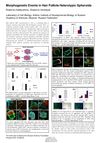
This study found that hyaluronic acid increased the size of hair follicle germ-like aggregates and the number of proliferative cells but did not maintain specific markers during the process.
 March 2026 in “Egyptian Journal of Forensic Sciences”
 This review critically examines Forensic DNA Phenotyping, highlighting high accuracy in predicting certain traits but also legal and ethical challenges, particularly around regulatory fragmentation and issues of genetic privacy.
 August 2025 in “DS Reviews of Research in Life Sciences”
 In this study, women with polycystic ovary syndrome showed significantly higher levels of DHEA, IL-6, and TNF-α compared to healthy controls, indicating a possible link between these biomarkers and PCOS.