 1 citations
,
January 2004 in “Drugs”
1 citations
,
January 2004 in “Drugs” Ethinylestradiol/Chlormadinone Acetate is a safe and effective birth control pill that also helps regulate menstrual cycles, reduces period pain, and treats certain skin and hair conditions.
 12 citations
,
November 2003 in “Journal of the American Academy of Dermatology”
12 citations
,
November 2003 in “Journal of the American Academy of Dermatology” This study found hair regrowth in the majority of AA-affected mice and rats treated with diphencyprone, suggesting its potential utility for understanding human alopecia areata and the drug's therapeutic action.
 1 citations
,
December 2016 in “Journal of Pakistan Association of Dermatology”
1 citations
,
December 2016 in “Journal of Pakistan Association of Dermatology” In this study, iontophoresis of medroxyprogesterone acetate significantly reduced hair growth rate in women with idiopathic facial hirsutism, without affecting serum androgen levels, and was well-tolerated as a treatment option.
 4 citations
,
September 2011 in “American Journal of Clinical Dermatology”
4 citations
,
September 2011 in “American Journal of Clinical Dermatology” This case series suggests that EE/CMA 0.03mg/2mg may help manage dermatological disorders related to androgen excess, as evidenced by symptomatic improvements in the four patients treated.
35 citations
,
July 2008 in “International Journal of Gynecology & Obstetrics” This study found that medroxyprogesterone acetate treatment in women with PCOS reduced hyperandrogenism-related hormonal levels and improved skin conditions without affecting lipid or carbohydrate metabolism.
October 2022 in “Frontiers in Bioengineering and Biotechnology” This study demonstrated that in a mouse model of androgenic alopecia, PLGA-DUT/siAR@DPCM nanoparticles effectively delivered drugs to hair follicles, suppressed androgen-related targets, promoted cell proliferation, and showed significant therapeutic effects with minimal adverse effects, suggesting their potential for clinical application.
 3 citations
,
July 2021 in “Cutis”
3 citations
,
July 2021 in “Cutis” This case report described a 62-year-old woman with dermatomyositis whose multiple subcutaneous nodules persisted despite treatment with prednisone and methotrexate, prompting further dermatological evaluation.
This article reviews the contraceptive agent Depo-Provera, discussing its effectiveness, potential side effects, and safety concerns, but reports no new clinical results.
This article reviews approved treatments for androgenetic alopecia and reports no new research findings, highlighting the need for further studies.
11 citations
,
December 2002 in “Controlled Clinical Trials” This study suggests that simple absolute threshold monitoring rules for compliance using the biomarker DHT perform similarly to more complex methods in the Prostate Cancer Prevention Trial.
1 citations
,
February 2025 in “Toxicology in Vitro” In this study, DPHC from the brown alga Ishige okamurae demonstrated potential to prevent androgenic alopecia by inhibiting hair loss and promoting hair growth through multiple cellular mechanisms.
18 citations
,
January 2021 in “Theranostics” This study found that actively targeted AN2728-loaded nanocarriers reduced inflammation and improved skin condition in a mouse model of psoriasiform inflammation compared to free drug and non-targeted nanoparticles.
February 2006 in “Inpharma Weekly” October 2006 in “Urology” The study found that different criteria led to different patient groups in the CombAT study compared to the MTOPS study.
August 2016 in “Anaplastology” This study reports that controlled release PRP therapy using dalteparin and protamine micro-particles may be effective for hair growth and skin rejuvenation in women.
 2 citations
,
January 2023 in “Pharmaceuticals”
2 citations
,
January 2023 in “Pharmaceuticals” This study found that in male mice, microglial changes due to a Parkinson's-like lesion were influenced by sex hormones, with dutasteride treatment preventing some effects.
 11 citations
,
September 2014 in “International Journal of Molecular Sciences”
11 citations
,
September 2014 in “International Journal of Molecular Sciences” This study found that mycophenolate may stabilize β-catenin and counteract interferon-γ-induced catagen changes in human dermal papilla cells, which could promote hair growth.
 9 citations
,
August 2018 in “Biomedical dermatology”
9 citations
,
August 2018 in “Biomedical dermatology” This study found that topical administration of the TGFβ mimetic peptide DPS-1 stimulated hair growth in mice by promoting HDP cell proliferation and enhancing hair follicle morphology.
36 citations
,
May 2005 in “BMC dermatology” This study found that topical diphenylcyclopropenone was effective in treating severe alopecia areata but had a high relapse rate and was often accompanied by side effects like eczema and lymphadenopathy.
19 citations
,
April 2011 in “Headache The Journal of Head and Face Pain” This study found that both topiramate and divalproex sodium were similarly effective in reducing headache frequency by over 50% among episodic migraine patients after three months of treatment.
 5 citations
,
January 2017 in “Skin appendage disorders”
5 citations
,
January 2017 in “Skin appendage disorders” In this case report, the authors linked acute psoriasiform contact dermatitis of the forehead and scalp to a low-laser light cap, identifying DMDE in the fabric as a likely cause.
January 2017 in “Corpus Université Laval (Université Laval)” This study found that dutasteride may offer neuroprotective effects on dopaminergic neurons in an animal model of early-stage Parkinson's disease, suggesting potential therapeutic use.
94 citations
,
July 1991 in “Clinical endocrinology” In this study, cyproterone acetate at 2 mg daily was found to be as effective as higher doses in reducing hair growth for hirsute women over 12 months.

This review discusses recent advances in polydopamine-based biomaterials and their growing potential in personalized medicine, but reports no new experimental results; the authors highlight both opportunities and challenges for future applications.
July 2024 in “International Journal of Molecular Sciences” This study explored the effects of DPP, a 15-PGDH inhibitor, on human follicle dermal papilla cells damaged by dihydrotestosterone and observed that DPP enhanced wound healing, reduced reactive oxygen species, and increased hair growth in ex vivo human hair follicle cultures.
 March 1998 in “Journal of dermatological science”
 Diphencyprone initially increases mouse hair growth, then slows it, possibly due to changes in specific protein levels.
 June 2024 in “Archives of dermatological research”
 In this self-controlled comparative study of 16 women with Female Pattern Hair Loss, MMP® with Minoxidil showed a better response in the parietal-vertex regions in less advanced cases compared to standard Minoxidil treatment, though overall effectiveness was similar.
 3 citations
,
December 2016 in “Universal journal of pharmaceutical research”
3 citations
,
December 2016 in “Universal journal of pharmaceutical research” This study concluded that Finasteride can be effectively delivered in matrix tablets using different polymer ratios for sustained release.
 October 2025 in “Transplantation”
 This study found that finasteride delivered through dissolving microneedles enhanced skin drug permeation compared to films, suggesting potential for improved androgenetic alopecia treatment with fewer side effects.
 14 citations
,
October 2006 in “Journal of The American Academy of Dermatology”
14 citations
,
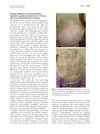
October 2006 in “Journal of The American Academy of Dermatology” This report highlights a case where a woman's use of the dopamine agonist pramipexole for Parkinson's disease was associated with hair loss, which improved after discontinuing the drug.