This review discusses loose anagen hair syndrome in children, characterized by non-scarring alopecia and increased hair shedding, and reports no new results; topical minoxidil may be used as a treatment.
 33 citations
,
March 2017 in “Dermatologic Surgery”
33 citations
,
March 2017 in “Dermatologic Surgery” In this clinical study, low-level laser therapy using the HANDI-DOME LASER device increased hair counts by 51% compared to controls, indicating its potential as a safe and effective treatment for androgenetic alopecia in women aged 18 to 60.
26 citations
,
January 1992 in “Carcinogenesis” This study suggests that chronic treatment with TPA in mouse skin selectively expands a keratinocyte subpopulation hyperinducible for ODC, which may be a key target for neoplastic transformation.
3 citations
,
December 2024 in “Journal of Animal Science” In this study, researchers identified the lncRNA MSTRG.14227.1 in cashmere goats and found it inhibits the morphogenesis of secondary hair follicles by interacting with the chi-miR-433/ADAMTS3 signaling axis, affecting cashmere yield and quality.
11 citations
,
November 2009 in “Journal of steroid biochemistry and molecular biology/The Journal of steroid biochemistry and molecular biology” This study found that bolandiol increased lean body mass and bone mineral density in castrate adult male rats, exhibiting tissue selectivity and acting through multiple receptor pathways with less potency compared to other androgens.
November 2025 in “The Journal of Dermatology” This study demonstrated that a mouse model of telogen effluvium induced by lipopolysaccharide was effective for evaluating the therapeutic effects of topical minoxidil, which accelerated hair regrowth in treated mice.
 29 citations
,
June 2018 in “Scientific Reports”
29 citations
,
June 2018 in “Scientific Reports” In this study, Alox15 knockout mice exhibited disrupted skin integrity and increased inflammation, suggesting that Alox15-mediated resolvin D2 production is crucial for maintaining skin homeostasis by suppressing inflammation.
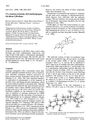 December 1998 in “Acta Crystallographica Section C-crystal Structure Communications”
 This study describes the molecular conformation and intermolecular interactions in the crystalline structure of the compound C24H31BrO4.
 February 2009 in “Journal of The American Academy of Dermatology”
 This study suggests that fractional infrared technology may effectively improve cervical skin laxity by enhancing dermal thickness without adverse effects in a small pilot group.
February 2016 in “Annals of the Rheumatic Diseases” In this study, the researchers reported that the safety profile was similar across all DMARD treatment regimens for early rheumatoid arthritis, but the most severe side effects occurred in the leflunomide group.
39 citations
,
November 2017 in “PubMed” This case series reported that low-dose naltrexone may benefit patients with lichen planopilaris by reducing scalp symptoms and slowing disease progression, with no adverse effects observed in the patients.
18 citations
,
April 1998 in “MIT Press eBooks” This study found that topical application of N,N-dimethylglycine sodium salt increased dermal blood flow and velocity in human subjects, likely through its effects on endothelial cells and NO-dependent vasodilation.
33 citations
,
October 2005 in “Journal of Investigative Dermatology” A specific gene mutation causes sparse, brittle hair in a family.
5 citations
,
March 2016 in “Experimental and molecular pathology” In mouse models of alopecia areata, this study found increased dilation of lymphatic vessels in affected mice, with associated changes in gene expression related to vascular growth and immune cell movement.
 June 2024 in “British Journal of Dermatology”
 In this prospective observational study of 96 dermatomyositis patients, 47 showed scalp involvement, with significant symptoms like scalp inflammation, itching, and hair loss linked to myositis-specific antibodies. The study highlighted unique dermatopathological features in the scalp and emphasized the considerable morbidity caused by scalp dermatomyositis.
 165 citations
,
August 2013 in “Lasers in Surgery and Medicine”
165 citations
,
August 2013 in “Lasers in Surgery and Medicine” This review discusses the potential mechanisms and evidence supporting low-level laser therapy for stimulating hair growth in men and women, while noting its safety and effectiveness but needing further study on specific parameters.
3 citations
,
April 2025 in “Advanced Healthcare Materials” In this study, researchers developed hyaluronic acid derivatives functionalized with nitric oxide photodonors for light-activated skin treatments, finding that the compounds released NO under blue light and enhanced keratinocyte proliferation and migration, suggesting potential for therapeutic use.
42 citations
,
August 2012 in “Psychoneuroendocrinology” Finasteride reduces certain behaviors caused by D1-like receptor agonists but not by D2-like receptor agonists in mice.
5 citations
,
June 2015 in “The Journal of Dermatology” This study identified "HTLV-1-associated lichenoid dermatitis" as a skin condition in HTLV-1-infected individuals, characterized by reactive eruptions associated with increased immunity toward infected CD4+ T cells.
 August 2019 in “Research Square (Research Square)”
 This study explored how long non-coding RNA mediates the effects of FGF5 on the hair follicle development and villus growth of Liaoning cashmere goats.
 September 2011 in “Clinical Biochemistry”
 The demineralized bone matrix scaffold is better for cell attachment than the mineralized bone allograft.
 January 2025 in “Journal of Dermatological Treatment”
 This systematic review and meta-analysis found that adding low-level laser therapy to minoxidil treatment for androgenic alopecia does not significantly enhance hair count or diameter compared to using minoxidil alone.
31 citations
,
September 1999 in “Molecular Carcinogenesis” This study in a transgenic mouse model found that repressing overexpression of ornithine decarboxylase reduced papilloma development, indicating its role in tumor promotion sensitivity.
 April 2018 in “Journal of Investigative Dermatology”
 This study found that deleting all three Desmoglein 1 genes in mice led to impaired skin barrier function, disorganized epidermis, and postnatal lethality, highlighting Dsg1's essential role in epidermal development and maintenance.
 December 2022 in “Medical lasers”
 This study reviews the mechanism and potential treatment roles of low-level laser therapy for immune-mediated skin diseases, reporting no new clinical results.
 5 citations
,
January 2021 in “Veterinary dermatology”
5 citations
,
January 2021 in “Veterinary dermatology” This study found that adding low-level laser therapy to conventional treatment for canine acral lick dermatitis significantly increased hair growth compared to conventional therapy alone, but did not significantly reduce licking behavior.
 March 2024 in “ACS Applied Materials & Interfaces”
 This study developed a delivery platform using hyaluronic acid-based dissolvable microneedles with nanoliposomes containing kopexil and kopyrrol, which showed improved hair regeneration for treating androgenetic alopecia in vivo at lower dosages compared to minoxidil.
May 2026 in “Journal of Medicinal Chemistry” In this study, the authors developed a novel PROTAC named dAR-6–1, which demonstrated superior hair regeneration in an AGA mouse model compared to minoxidil, highlighting its promise as a therapy due to potent AR degradation and excellent skin permeability.
 May 2022 in “International Journal for Research in Applied Science and Engineering Technology”
 In this study, researchers explored the causes and treatment strategies for diffuse telogen effluvium, focusing on 60 patients with the condition linked to iron deficiency anemia, comparing the effectiveness of ferrous salts alone versus combined with Quilib lotion.
 2 citations
,
November 1987 in “Archives of Dermatology”
2 citations
,
November 1987 in “Archives of Dermatology” This study found that minoxidil was released 50% less from creams than from lotions, with a similar release profile across different lotion formulations, suggesting a specific vehicle composition for topical use.