7 citations
,
October 2012 in “PubMed” This study found that intralesional triamcinolone was more effective than topical anthralin in promoting hair regrowth in alopecia areata patients, but it also had a higher relapse rate.
 59 citations
,
October 2012 in “Pharmaceutical Research”
59 citations
,
October 2012 in “Pharmaceutical Research” This study found that nanostructured lipid carriers with more soybean phosphatidylcholine provided better skin retention and follicular targeting for diphencyprone compared to other formulations and controls.
4 citations
,
July 2022 in “Clinical Cosmetic and Investigational Dermatology” This review discusses the clinical trials of clascoterone 1% cream for acne vulgaris and reports no new results; the authors highlight its novel role as a topical antiandrogen.
 36 citations
,
October 2009 in “Journal of Investigative Dermatology”
36 citations
,
October 2009 in “Journal of Investigative Dermatology” This study suggests that in SZ95 sebocytes, a pathway for DHT biosynthesis does not require testosterone as an intermediate, potentially impacting the treatment of androgen-sensitive skin conditions.
1 citations
,
January 2013 in “International journal of trichology” The researchers reported a case of a young girl with alopecia areata who responded well to a combination therapy of 88% phenol and dexamethasone, with no recurrence observed during six months of follow-up.
January 2016 in “Mercer University Libraries (Mercer University)” This study found that an anhydrous gel formulation containing sertaconazole nitrate effectively penetrated the stratum corneum for treating fungal infections without causing irritation.
 17 citations
,
August 2015 in “Journal of steroid biochemistry and molecular biology/The Journal of steroid biochemistry and molecular biology”
17 citations
,
August 2015 in “Journal of steroid biochemistry and molecular biology/The Journal of steroid biochemistry and molecular biology” This study concluded that the best approach for detecting Androsta-1,4,6-triene-3,17-dione administration in horses is monitoring the metabolites M1b or M4 in urine, detectable up to 77 hours post-administration.
 July 2021 in “Clinical case reports and studies”
 In this case report, a 9-year-old boy with diffuse alopecia areata showed improvement with topical diphencyprone immunotherapy, suggesting it as a safe and effective treatment option in pediatric cases of alopecia areata resistant to other therapies.
 April 2025 in “BMC Chemistry”
 This study developed an organic hair conditioner using chitosan-thiadiazole conjugates that showed improved hair detangling, moisture retention, and protection without causing irritation, promising an environmentally sustainable approach to hair care.
August 2025 in “OPAL (Open@LaTrobe) (La Trobe University)” This study found that hydroxycinnamate derivatives, especially a compound named 10a, effectively inhibited SRD5A1 activity and protein expression in cell assays, suggesting potential for treating androgen-related conditions.
2 citations
,
January 2012 in “ACTA SCIENTIAE VETERINARIAE” This case report describes the successful topical treatment of a horse with a Pythium insidiosum infection using amphotericin B and DMSO, leading to significant wound healing and hair regrowth.
26 citations
,
May 1991 in “Clinical and experimental dermatology” In this study, oral etretinate resulted in increased hair length and loss of beading in a childhood monilethrix case, while the scalp's keratosis pilaris persisted.

In this study, researchers successfully synthesized a rigid 3a-arylhexahydropentalene-1,6-dione from the easily accessible starting material cyclopent-2-en-1-one, highlighting a structural motif common in natural products and pharmaceuticals.
 May 2026 in “Zenodo (CERN European Organization for Nuclear Research)”
 This study developed a new triamcinolone acetonide serum combined with a microneedling device, showing promise for treating alopecia areata by targeting hair follicles in a less invasive, patient-friendly way with confirmed drug solubility, compatibility, and safety.
 46 citations
,
May 2009 in “Maturitas”
46 citations
,
May 2009 in “Maturitas” This study found that taking a daily oral dose of 50mg DHEA for one year had no significant impact on blood lipids, insulin sensitivity, or the endometrium in postmenopausal women with low libido.
 June 2023 in “NILES Journal forGeriatric and Gerontology/NILES Journal for Geriatric and Gerontology”
 In this study, oral tranexamic acid significantly improved melasma in 40 female patients over three months, with no adverse effects like post-inflammatory hyperpigmentation or bleeding, demonstrating its potential as a safe and effective treatment option.
2 citations
,
March 1964 in “Archives of Dermatology” This study found no significant difference in the therapeutic response to intralesional triamcinolone acetonide at concentrations of 2.5, 5, and 10 mg/mL for various dermatologic conditions.
 37 citations
,
May 2016 in “JAAD case reports”
37 citations
,
May 2016 in “JAAD case reports” This abstract describes monilethrix, an autosomal dominant genodermatosis with symptoms like hair fragility and keratosis pilaris, and does not report new experimental results.
 73 citations
,
March 2014 in “Journal of The American Academy of Dermatology”
73 citations
,
March 2014 in “Journal of The American Academy of Dermatology” Most dermatologic medications are safe during pregnancy and breastfeeding, but some should be avoided due to potential risks.
3 citations
,
April 2024 in “JAAD Case Reports” This article reviews DPCP's use as a topical immunotherapy for alopecia areata and discusses its suggested mechanism, but reports no clinical results.
 1 citations
,
January 2005 in “Side effects of drugs annual”
1 citations
,
January 2005 in “Side effects of drugs annual” This chapter reviews various dermatological drugs and treatments, highlighting adverse effects, with no new clinical findings reported.
78 citations
,
May 2019 in “Frontiers in Cellular and Infection Microbiology” This study found that the antimicrobial peptide DPK-060 effectively reduced bacterial counts of Staphylococcus aureus and was safe for topical use in preclinical models, although nanocarrier encapsulation did not enhance its efficacy.
 1 citations
,
June 2023 in “Cureus”
1 citations
,
June 2023 in “Cureus” In a retrospective study, researchers found that topical spironolactone improved tear film quality and reduced inflammation related to meibomian gland dysfunction and evaporative dry eye in patients, demonstrating good tolerability and suggesting it as a potential therapy for managing the condition.
 10 citations
,
October 1993 in “Archives of dermatological research”
10 citations
,
October 1993 in “Archives of dermatological research” The researchers reported that the antipsoriatic compounds 1,25-dihydroxy-vitamin D3 and calcipotriol thinned the living cell compartment in organotypic ORS cultures by accelerating the differentiation pathway rather than affecting proliferation.
65 citations
,
May 2006 in “Journal of Investigative Dermatology” This study found that dexamethasone significantly reduced ERα mRNA levels and increased aromatase mRNA and activity in cultured human hair follicle dermal papilla cells, suggesting a glucocorticoid-dependent mechanism for estradiol action.
41 citations
,
November 2015 in “The journal of investigative dermatology. Symposium proceedings/The Journal of investigative dermatology symposium proceedings” This study found that diphenylcyclopropenone therapy resulted in over 50% hair regrowth in 71% of alopecia totalis patients, with a significant relapse association with thyroid disease, suggesting treatment could be viable but should continue for at least two years.
 3 citations
,
March 2020 in “Dermatology Research and Practice”
3 citations
,
March 2020 in “Dermatology Research and Practice” In this study, 33 overweight women with normal hormone levels but showing PCOS symptoms experienced substantial reductions in acne lesions and improvements in hirsutism and menstrual irregularities after 8 weeks of Tracnil™ treatment, with minimal adverse reactions reported.
 5 citations
,
February 2021 in “Journal of The American Academy of Dermatology”
5 citations
,
February 2021 in “Journal of The American Academy of Dermatology” This commentary discusses ethical concerns with direct-to-consumer teledermatology services, highlighting potential conflicts of interest and issues with care quality.
 13 citations
,
August 2007 in “Bioorganic & medicinal chemistry letters”
13 citations
,
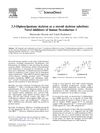
August 2007 in “Bioorganic & medicinal chemistry letters” This study developed a new competitive 5alpha-reductase inhibitor with an IC(50) of 0.84 microM using a novel chemical structure.
January 1985 in “Clinical research” This study found that topical alpha-terthienyl combined with UVA radiation rapidly induced dose-dependent cutaneous photosensitization in guinea pigs, suggesting potential for photochemotherapy in skin disorders without future carcinogenic risks.