 April 2019 in “Journal of Investigative Dermatology”
 This study identifies a mechanism where dsRNA activates TLR3 to induce RA production, promoting hair follicle regeneration in mice and suggesting a potential role in human tissue regeneration.
17 citations
,
February 2015 in “Experimental Dermatology” This report expands the known genetic mutations linked to monilethrix by identifying new patients with KRT83 mutations, confirming its role as a causative gene for this hair disorder.
31 citations
,
August 2023 in “ACS Applied Bio Materials” This study developed granular hydrogels with reversible interparticle cross-linking, finding they offer high mechanical stability and enhance cell recruitment, making them promising for injectable and 3D printable scaffolds in tissue engineering and therapeutic delivery.
9 citations
,
June 2017 in “American journal of ophthalmology. Case reports” This case report identifies a novel CDH3 gene mutation associated with hypotrichosis with juvenile macular dystrophy in a 13-year-old Turkish girl, highlighting implications for future genetic analysis and counseling.
 7 citations
,
April 2021 in “Journal of advanced pharmaceutical technology & research”
7 citations
,
April 2021 in “Journal of advanced pharmaceutical technology & research” This study reported that compound 16 (olean-12-en-3beta-ol, cinnamate) from Merremia peltata showed potential as an androgen receptor antagonist, suggesting it may benefit alopecia treatment based on molecular docking and ADME-Tox predictions.
8 citations
,
May 2005 in “The American journal of dermatopathology/American journal of dermatopathology” This study observed unique ultrastructural changes in a 4-year-old girl with pili trianguli et canaliculi that may affect hair shaft surface characteristics due to inner root sheath alterations.
January 1996 in “Studia iuridica” This study identified two novel point mutations in the hHb6 gene associated with monilethrix, suggesting these mutations could serve as diagnostic markers for this genetic hair disorder.
6 citations
,
June 1976 in “Journal of Investigative Dermatology”  July 2020 in “bioRxiv (Cold Spring Harbor Laboratory)”
 This study reports that structural and biochemical analysis of steroid 5α-reductases clarifies how they mediate steroid reduction with NADPH, potentially aiding in designing targeted therapies.
April 2026 in “Chinese Chemical Letters” March 2026 in “Wound Repair and Regeneration” In this study, researchers used a mouse model to demonstrate that expression of MARCKSL1 in dendritic cells plays a crucial role in modulating fibrotic responses and scar formation during wound healing, suggesting that targeting this expression could offer new therapeutic strategies for scar prevention.
9 citations
,
July 2007 in “Journal of Investigative Dermatology” This study found that exposure to 12-O-tetradecanoyl-phorbol-13-acetate in mouse skin caused changes in claudin expression and localization, indicating disruption and eventual recovery of the epidermal barrier.
2 citations
,
May 1979 in “PubMed” This report describes four cases of monilethrix in children and concludes that periodic inhibition of keratin synthesis, not a metabolic defect, may explain the hair abnormality.
100 citations
,
November 1997 in “Human Genetics” In this study, researchers found that the prevalent Glu 410 Lys mutation in hHb6 and a new Glu 403 Lys mutation in hHb1 are linked to monilethrix, suggesting a mutational hotspot in type II hair keratins.
 April 2023 in “The journal of investigative dermatology/Journal of investigative dermatology”
 In this study, the ablation of Tet2/Tet3 genes in mouse skin epithelial cells led to altered hair shape and length, highlighting their role in regulating hair follicle gene expression and chromatin structure.
 December 2023 in “Materials Today Sustainability”
 Scientists made glow-in-the-dark dots from human hair that can detect iron, prevent counterfeiting, and reveal fingerprints.
 4 citations
,
August 2023 in “Nature Communications”
4 citations
,
August 2023 in “Nature Communications” In this study, researchers observed that the combination of hair progenitors and their micro-niche changes every three days in mouse zigzag hair, and disruptions in specific genes affected this rhythm, highlighting the importance of this periodic change for normal hair morphology.
34 citations
,
October 1975 in “Biochimica et Biophysica Acta (BBA) - Nucleic Acids and Protein Synthesis”  January 2025 in “International Journal of Pharmaceutical Research and Applications”
 In this research, topical gels using natural mucilages from okra and hibiscus were successfully formulated to deliver diclofenac diethylamine, with hibiscus mucilage at 10% showing the best performance as a gelling agent based on various physicochemical tests.
 February 2024 in “Plant Cell Reports”
 This study found that the retromer protein AtVPS29 in Arabidopsis plants modulates gibberellin signaling by upregulating the SLY1 protein and downregulating the RGA protein, ultimately enhancing the development of the root meristematic zone.
May 2025 in “Biomedicine & Pharmacotherapy” This study found that HPD is a potent activator of hair follicle regeneration, surpassing the efficacy of conventional minoxidil treatment by modulating Wnt/β-catenin signaling and enhancing follicular proliferation, indicating its potential as a non-invasive hair restoration therapy.
116 citations
,
April 1986 in “The journal of cell biology/The Journal of cell biology” This study reports that a 190,000 molecular weight protein, identified as trichohyalin, may play a matrix role in the development of inner root sheaths in hair follicles.
 January 2024 in “Molecules (Basel. Online)”
 In this study, researchers examined juglone's potential as a restoring agent for hair keratin damaged by permanent or bleaching treatments, finding that juglone formed Michael adducts with cysteine residues, leading to a more regular hair surface as observed via IR spectroscopy and SEM analysis.
44 citations
,
April 2012 in “BMB Reports” This study identified several DPC-specific proteins, including ITGB1, IGFBP3, and THBS1, as potential biomarkers for hair growth modulation through proteomic and network analysis.
 28 citations
,
January 2012 in “Biological & pharmaceutical bulletin”
28 citations
,
January 2012 in “Biological & pharmaceutical bulletin” This study found that the protein hairless acts as both a corepressor and coactivator of the vitamin D receptor, influencing gene transcription in a ligand-selective manner.
22 citations
,
November 2014 in “Proteins Structure Function and Bioinformatics” In this study, researchers mapped cysteine accessibility in wool keratins and KAPs, revealing that certain cysteines in keratin end domains and Types I and II rod domains are accessible and likely involved in forming disulfide bonds.
 9 citations
,
October 2022 in “Nature Communications”
9 citations
,
October 2022 in “Nature Communications” In this study, researchers developed a new photoactivatable Cre recombinase mouse model, DiLiCre, which allows precise light-induced genetic modifications and cell tracing, demonstrating its effectiveness for advancing biological and biomedical research.
This case report describes a novel mutation in the CDH3 gene in an 11-year-old Iranian boy with sparse scalp hair and macular dystrophy, leading to altered P-cadherin synthesis.
 12 citations
,
February 2010 in “Tetrahedron Letters”
12 citations
,
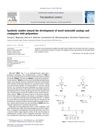
February 2010 in “Tetrahedron Letters” This article describes the synthesis of novel polyamine-modified minoxidil analogs and conjugates to potentially enhance minoxidil's biological activity, selectivity, and water solubility, but reports no new biological results.
 44 citations
,
June 2009 in “Biomaterials”
44 citations
,
June 2009 in “Biomaterials” In this study, fibronectin coating on a low-adhesive substratum increased cell aggregation, growth, and motility, enhancing the formation of hair follicle dermal papilla spheroids.