3 citations
,
January 2025 in “Animal Genetics” In this study, researchers conducting a genome-wide association study on 263 adult female goats identified significant genomic variants linked to coarse hair diameter, particularly emphasizing a crucial region on Chromosome 10. These findings enhance understanding of the genetic factors influencing fiber diameter in goats.
This study found that GPC1 is a significant regulator of angiogenesis in human dermal microvascular endothelial cells, suggesting its potential as a target for alopecia research.
January 2020 in “Stem Cells” 1 citations
,
September 2019 in “Journal of Investigative Dermatology” This study developed a pemphigus model in mice showing that anti-Desmocollin 3 and anti-Desmoglein 3 antibodies lead to more severe disease, suggesting diverse antigens contribute to varying human pemphigus phenotypes.
14 citations
,
April 2015 in “Stem Cell Research & Therapy” This study found that dermal stem cells from granulation tissue promoted wound healing and reduced fibrosis in a combined radiation and skin wound mouse model.
January 2013 in “International Journal of Biological Sciences” This study demonstrates that the CRISPR-Cas9 system can be used to successfully edit genes in large mammals, such as Cashmere goats, creating a valuable model for research on EDAR gene-related phenotypes.
14 citations
,
September 1999 in “Mammalian genome” In this study, researchers generated a mouse mutation called scraggly, related to hair and skin defects, and mapped it to a genetic location on mouse Chromosome 19 distinct from similar mutations.
2 citations
,
February 2022 in “Preprints.org” This study found that fermented red ginseng marc alleviated skin lesions, reduced inflammation, and demonstrated antioxidant effects in an AD-like mouse model, suggesting potential therapeutic applications for atopic dermatitis.
 February 2010 in “Journal of The American Academy of Dermatology”
 A woman with Degos disease managed her condition for nine years with medications and had two healthy pregnancies, while a separate finding suggests a possible link between female pattern hair loss and high blood pressure.
 19 citations
,
November 1971 in “Clinica Chimica Acta”
19 citations
,
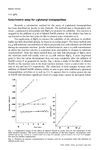
November 1971 in “Clinica Chimica Acta” In this study, the researchers found that the absence of the NFI-C transcription factor delayed the hair growth cycle in mice by affecting key gene expressions and signaling pathways.
5 citations
,
October 2012 in “Australian veterinary journal” This report describes two South Australian Poll Hereford calves with a syndrome of congenital dyserythropoietic anaemia, dyskeratosis, and progressive alopecia, observing specific blood and bone marrow abnormalities.
 1 citations
,
January 2020 in “Benha Journal of Applied Sciences”
1 citations
,
January 2020 in “Benha Journal of Applied Sciences” This study found that DEFB1 polymorphisms, specifically the rs1800972 CG and GG genotypes, may predict susceptibility to and severity of alopecia areata.
November 2023 in “Вопросы современной педиатрии” This study reported that genetic testing is crucial for accurately diagnosing hypotrichosis, especially in cases with subtle symptoms or coexisting severe atopic dermatitis, as demonstrated in a young girl with a DSG4 gene mutation.
54 citations
,
December 2011 in “American Journal Of Pathology” This study found that immune-mediated destruction of bulge stem cells is a key factor in the alopecia observed in AE mice, suggesting it as a model for studying primary cicatricial alopecias, particularly lichen planopilaris.
This study found that mutant Cx43 impairs fibroblast function during wound healing and reduces hair follicle cell proliferation, likely contributing to hair growth defects in ODDD patients.
January 2013 in “프로그램북(구 초록집)” This study found that ADSC-conditioned media was effective in increasing hair density and thickness in female pattern hair loss patients over a 12-week period.
In this study, a newly designed protein degrader targeting androgen receptors showed promise in reversing hair regrowth inhibition in a mouse model of androgenetic alopecia, suggesting potential as a novel and safe treatment strategy.
This study found that gels containing glycyrrhizic acid and aqueous Glycyrrhiza glabra extract significantly reduced underarm hair growth in terms of area, thickness, length, and number compared to their gel bases.
 7 citations
,
March 2018 in “Asian-Australasian journal of animal sciences”
7 citations
,
March 2018 in “Asian-Australasian journal of animal sciences” This study observed that the OCIAD2 and DCN genes in Liaoning cashmere goats have opposite effects on hair growth by interacting with the TGF-β signaling pathway, influencing follicle morphogenesis and periodic changes.
November 2025 in “Mendeley Data” November 2025 in “Mendeley Data”  9 citations
,
April 2021 in “Evidence-based complementary and alternative medicine”
9 citations
,
April 2021 in “Evidence-based complementary and alternative medicine” This study found that Guilu Erxian Glue significantly alleviates various doxorubicin-induced side effects in mice, enhancing exercise capacity and reducing oxidative stress and inflammation.
 2 citations
,
April 2022 in “Journal of Cosmetic Dermatology”
2 citations
,
April 2022 in “Journal of Cosmetic Dermatology” This study found that de-saponinated Camellia seed cake extract promotes hair growth in vitro and in vivo by enhancing dermal papilla cell proliferation and modulating signaling pathways and growth factor expression.
 1 citations
,
September 2019 in “Journal of Investigative Dermatology”
1 citations
,
September 2019 in “Journal of Investigative Dermatology” In this study, researchers used a CRISPR-based method to correct mutations in the COL7A1 gene in stem cells from RDEB patients, restoring normal collagen expression in engineered skin grafts in mice.
288 citations
,
January 2001 in “Journal of Biological Chemistry” In this study, the disruption of Gh/tissue transglutaminase in mice did not affect viability but reduced thymocyte viability and fibroblast adhesion, suggesting its role in cell stabilization and extracellular matrix interactions.
 4 citations
,
July 2022 in “Scientific reports”
4 citations
,
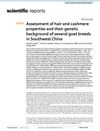
July 2022 in “Scientific reports” This study observed significant differences in hair and cashmere properties among three goat breeds in Southwest China, noting better quality cashmere in Inner Mongolia cashmere goats and their crossbreed compared to Dazu black goats.
January 2026 in “British Journal of Dermatology” This study found that neither caffeine nor N,N-dimethylglycine treatments were toxic to balding or nonbalding dermal papilla cells and could stimulate calcium influx, indicating treatment responsiveness.
 3 citations
,
January 2005 in “Biological & Pharmaceutical Bulletin”
3 citations
,
January 2005 in “Biological & Pharmaceutical Bulletin” This study reports that the peptide GPIGS, found in Bacillus sp. M18 conditioned medium, may promote hair growth through the PI-3K/Akt pathway and accelerate hair regrowth in mice.
October 2022 in “Amplla Editora eBooks” 
This study found that new methods for isolating human dermal papilla cells were more efficient than traditional methods, maintaining higher levels of specific markers and improving the cells' research potential.