 April 2021 in “Han'gug miyong haghoeji/Journal of the Korean society of cosmetology”
 This study found that consuming raw cheonggukjang improved various measures of scalp hair condition in middle-aged women over a 12-week period.
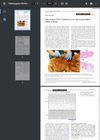 May 2024 in “Animal genetics”
 The researchers investigated a Maine Coon cat with suspected classical Ehlers-Danlos Syndrome and discovered a heterozygous deletion in the COL5A1 gene, underscoring the value of whole-genome sequencing for precise veterinary diagnostics.
 108 citations
,
November 2006 in “Phytomedicine”
108 citations
,
November 2006 in “Phytomedicine” This study found that EGCG from green tea may stimulate human hair growth by promoting the proliferation and anti-apoptotic activity in dermal papilla cells.
53 citations
,
July 2002 in “Journal of Investigative Dermatology” The Dfl mutation in mice causes poor sebaceous gland function and complete hair loss.
 August 2024 in “Journal of Cosmetic Dermatology”
 This study reported significant improvements in hair density and growth ratio in androgenetic alopecia patients receiving concentrated growth factor injections, with benefits sustained for 6 months.
 26 citations
,
May 2021 in “International Journal of Molecular Sciences”
26 citations
,
May 2021 in “International Journal of Molecular Sciences” In this review, researchers examined the physiological benefits of Cheonggukjang, a salt-free fermented soybean paste, highlighting its various health-promoting components that may contribute to improved heart health, diabetes management, and cancer prevention, among other benefits.
January 2018 in “VCU Scholars Compass (Virginia Commonwealth University)” In this study using Xenopus laevis embryos, reduced levels of the desmosomal protein desmoplakin led to defects in epidermal and cardiac structures, suggesting its crucial role in tissue integrity.
This study explored the structure and function of lipocalin prostaglandin D synthase, revealing its dual role in substrate catalysis and as a lipophilic ligand carrier, potentially informing future drug delivery design.
 28 citations
,
December 2012 in “The American Journal of Cosmetic Surgery”
28 citations
,
December 2012 in “The American Journal of Cosmetic Surgery” This study reported that treatments using ADSC-CM improved hair growth in all participants, with the most pronounced results after four sessions within three to four months.
26 citations
,
August 2009 in “Journal of Pediatric Gastroenterology and Nutrition” This study reports that gastrointestinal problems, such as intractable diarrhea and enterocolitis, can dominate the clinical course of patients with Hoyeraal-Hreidarsson syndrome and may occur before hematological and immunological symptoms.
 April 2019 in “Journal of Investigative Dermatology”
 This study demonstrated that gene-corrected 3D skin constructs from RDEB patient-derived iPSCs, grafted onto immunocompetent mice, showed normal collagen VII expression after two months.
February 2019 in “Chin J Injury Repair and Wound Healing(Electronic Edition)” This study indicates that porcine acellular dermal matrix may aid hair follicle regeneration in mice by enhancing the expression of SDF-1 and the Wnt3a/β-catenin signaling pathway.
118 citations
,
June 1993 in “Journal of Biological Chemistry” This study found that mouse and human protransglutaminase 3 enzymes require calcium-regulated activation for their role in later stages of cell envelope formation in the epidermis and hair follicle.
53 citations
,
August 2005 in “The Journal of Cell Biology” This study found that the absence of Sgk3 in mice leads to impaired hair follicle maturation, characterized by reduced cell proliferation, increased apoptosis, and premature regression.
2 citations
,
October 2023 in “PubMed” This study reported the creation of isogenic immortalized COL7A1-deficient keratinocyte lines, providing a model for researching Recessive Dystrophic Epidermolysis Bullosa biology and potential therapies.
This study found that GPC1 plays a crucial role in regulating angiogenesis in human dermal microvascular endothelial cells, which may make it a potential target in alopecia treatment research.
 1 citations
,
January 2016 in “Asian-Australasian journal of animal sciences”
1 citations
,
January 2016 in “Asian-Australasian journal of animal sciences” In this study, the expression of Gnαs was significantly higher in black mice compared to white mice, suggesting its potential involvement in coat color formation in mice.
1 citations
,
August 2019 In this study, researchers developed a pemphigus mouse model expressing anti-Desmocollin 3 antibodies and found it mimicked atypical pemphigus with distinct pathological features compared to the standard Desmoglein 3 model.
June 2026 in “Journal of Cosmetic Dermatology” CGF-PF may improve hair loss treatment by targeting hair follicle stem cells more effectively.
5 citations
,
April 2017 in “The journal of investigative dermatology/Journal of investigative dermatology” This study reports on an ongoing Phase I/IIa clinical trial of ex vivo gene therapy for treating severe Recessive Dystrophic Epidermolysis Bullosa, involving six adult participants with COL7A1 mutations resulting in deficient type VII collagen production.
22 citations
,
August 2020 in “Molecules” This study found that applying AGN root extract containing decursin to mouse skin accelerated hair growth and altered inflammatory cytokine levels compared to a control.
5 citations
,
April 2022 in “Evidence-based Complementary and Alternative Medicine” This study explored the mechanism of Shaoyao Gancao decoction in treating alopecia areata and found that it may be closely related to the PI3K/AKT signaling pathway.
In this study, researchers used the CRISPR/Cas9 system to edit the FGF5 gene in Dorper sheep, observing increased density and finer wool, along with changes in cortisol levels and antioxidant enzyme activity linked to hair follicle development.
 15 citations
,
June 2011 in “Journal of Ginseng Research”
15 citations
,
June 2011 in “Journal of Ginseng Research” In this study, Korean red ginseng was observed to improve skin hydration and reduce both the severity of atopic dermatitis and serum IgE levels after 16 weeks in patients with the condition.
14 citations
,
January 2024 in “Burns & Trauma” In this study on diabetic wound healing in mice, Calvatia gigantea extract accelerated wound recovery, reduced inflammation, and improved the microbiome's diversity, particularly enhancing Escherichia–Shigella bacteria presence.
June 2020 in “Zenodo (CERN European Organization for Nuclear Research)” This study suggests that the DNMT3B -579 G>T polymorphism may be a genetic risk factor for colorectal cancer in the Azerbaijani population.
 December 2022 in “Frontiers in plant science”
 This study identifies two new proteins, CCDC22 and CCDC93, essential for root and root hair growth in Arabidopsis, and demonstrates their genetic link to a VTI13-dependent vacuolar trafficking pathway.
 40 citations
,
June 2013 in “Molecular Pharmaceutics”
40 citations
,
June 2013 in “Molecular Pharmaceutics” This study demonstrates that transfected epidermal stem cells using a novel 3D transfection system significantly enhanced wound healing and may serve as an effective therapeutic agent and gene delivery method for wound treatment.
 4 citations
,
December 2023 in “Advanced science”
4 citations
,
December 2023 in “Advanced science” This study found that injectable gelatin/metal/tea polyphenol double nanonetworks significantly accelerated wound healing in diabetic wounds by enhancing cell migration and providing anti-inflammatory and antioxidant properties, without detectable cytotoxicity in tests.
 March 2025 in “Wound Repair and Regeneration”
 In a study using mouse models, researchers developed a gelatin methacryloyl scaffold with calcium-doped silica nanoparticles loaded with deferoxamine, which significantly improved skin flap survival and hair follicle growth, suggesting potential clinical applications in tissue regeneration.