1 citations
,
December 2025 in “International Journal of Molecular Sciences” This review reports that chitosan-based systems with metal nanoparticles and polyphenols may enhance wound healing by improving the bioavailability and stability of these compounds, suggesting a potential new approach for chronic and diabetic wounds.
1 citations
,
December 2022 in “Archives of Dermatological Research” This study reported significant improvements in hair density, diameter, and patient satisfaction after using non-enzymatic stromal vascular fraction treatment for androgenic alopecia over six months.

This review reports that collagen as a nutraceutical shows promising results for improving skin health in estrogen-deficient women, but more research is needed for scalp hair, nail health, and optimal dosing of curcumin and glutathione.
 March 2026 in “Preprints.org”
 This study investigated the secretome of adipose mesenchymal stem cells and fibroblasts used in skin care products, finding 16 therapeutic pathways involving numerous signaling mechanisms, which may offer skin benefits through anti-inflammatory and regenerative effects.
 August 2025 in “Journal of Pure and Applied Microbiology”
 This review discusses various therapeutic properties of bee venom, including its potential against cancer, infections, and inflammatory diseases, but notes limitations in clinical application due to variability and safety concerns, calling for further research.
 January 2025 in “Burns & Trauma”
 This review paper highlights that titanium dioxide nanoparticles (TiO2 NPs), due to their biological properties like antioxidant, anti-inflammatory, and antimicrobial effects, show promise in accelerating wound healing and enhancing tissue regeneration when used in scaffolds and dressings.
 June 2024 in “Journal of Psychiatry Spectrum”
 This case report documented an elderly woman with delusional parasitosis, a belief of being infested by parasites, which was associated with severe anemia and resolved significantly after anemia treatment and antipsychotic medication.
April 2024 in “International journal of molecular sciences” This source reports that for treating keloids and hypertrophic scars, combination pharmacotherapy targeting multiple sites is generally more effective than using a single drug, though outcomes of individual therapies vary and the development of satisfying treatments is ongoing.
January 2024 in “Cosmetics” In this study, Brazilian postmenopausal women reported that menopause significantly deteriorates the quality of their skin, nails, and hair, negatively affecting self-esteem and quality of life, with a need for better understanding of hormone replacement therapy's dermatological effects.
 January 2024 in “Journal of Cosmetics, Dermatological Sciences and Applications”
 This study found that electronically-operated pneumatic injections for administering a peptide-hyaluronic acid combination were well tolerated and led to significant improvement in hair density and thickness for men with androgenic alopecia over six months, though the exact mechanism remains uncertain.
 April 2023 in “Clinical Chemistry and Laboratory Medicine”
 The document concludes that inflammation markers can be used in diabetes, vitamin D3 affects immune pathways, hyperthyroidism changes hormone levels, androgen levels help diagnose Adrenocortical Carcinoma, erectile dysfunction is linked to diabetes, hypogonadism is common in HIV-infected males, and hormones can be biomarkers for various conditions.
This article lists the clinically important interactions and skin reactions of several drugs and substances, including THA, FK506, tamoxifen, tamsulosin, tartrazine, tea tree oil, temazepam, and temozolomide, but provides no new clinical results.
1 citations
,
January 2008 in “SKINmed Dermatology for the Clinician” This case report describes a patient with mucous membrane pemphigoid who experienced recurrent blisters and cicatricial alopecia, showing improvement with prednisolone and dapsone treatment.
99 citations
,
March 2013 in “Journal of Investigative Dermatology” This study identified ABCB6 as the first gene linked to dyschromatosis universalis hereditaria (DUH) in a large Chinese family, suggesting it plays a role in skin pigmentation.
 1 citations
,
January 2024 in “American journal of clinical and experimental immunology.”
1 citations
,
January 2024 in “American journal of clinical and experimental immunology.” This study reports that cutaneous manifestations such as herpes zoster, purpura, and livedo reticularis in COVID-19 patients can potentially indicate disease severity, aiding in the prediction of the illness's progression and guiding dermatological management during the pandemic.
June 2025 in “Australasian Journal of Dermatology” This study introduced and evaluated a new dermoscopic feature, pigmented rings with central clearing, for improving the diagnosis of melasma and differentiating it from similar conditions.
 January 2007 in “Journal of The American Academy of Dermatology”
 Propylthiouracil, a thyroid medication, can cause skin blood clots and immune-related blood vessel inflammation.
 February 2009 in “Journal of The American Academy of Dermatology”
 The document concludes that detailed clinical descriptions of seven family cases help understand dominant dystrophic epidermolysis bullosa's symptoms and inheritance.
2 citations
,
May 2019 in “International Journal of Molecular Sciences” This study suggests that in gp91phox-knockout mice, tranexamic acid administration led to brown hair by increasing MGRN1 and collagen XVII levels, while the retention of black hair appears to rely on the gp91phox/ROS/IL-1β/TGF-β pathway.
 4 citations
,
July 2019 in “Clinics in Dermatology”
4 citations
,
July 2019 in “Clinics in Dermatology” This article reviews various "white diseases" characterized by hypopigmentation or depigmentation and emphasizes the role of melanosomes in skin and eye color, but it does not present new clinical results.
 3 citations
,
December 2007 in “Injury Extra”
3 citations
,
December 2007 in “Injury Extra” This article presents a case of limb tourniquet syndrome in an elderly patient with memory problems, emphasizing potential regional changes that can cause irreversible damage.
 January 2024 in “Rheumatology quarterly”
 This research highlights the essential role of skin findings in diagnosing and managing rheumatic diseases, emphasizing their importance in early recognition, classification, and treatment planning, which requires collaboration between rheumatologists and dermatologists.
13 citations
,
July 2024 in “Medicina” This review investigates laser-induced Koebner-related reactions and highlights how different laser types, targets, and session frequencies affect the development of these skin responses, particularly in individuals with darker skin phototypes.
25 citations
,
June 2009 in “British Journal of Dermatology” This study classified scars in discoid lupus erythematosus patients into six types based on anatomical location and morphology, suggesting early identification might influence more aggressive treatment strategies.
 5 citations
,
December 2018 in “Journal of The American Academy of Dermatology”
5 citations
,
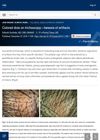
December 2018 in “Journal of The American Academy of Dermatology” This study highlights the importance of recognizing artifacts in trichoscopy, as certain cosmetic products can mimic signs of early androgenetic alopecia.
 January 2023 in “Revista da Associação Médica Brasileira”
 In this study, Brazilian patients with inflammatory bowel diseases had a higher prevalence of skin lesions, including alopecia, xerosis, striae, and acne, compared to healthy controls.
37 citations
,
October 2017 in “Advanced drug delivery reviews” This review explores the mechanisms of skin repigmentation and therapeutic strategies for pigmentation disorders following burn injuries, but it presents no new clinical results.
31 citations
,
March 2014 in “Journal of the European Academy of Dermatology and Venereology” In this study, multiple cutaneous adverse effects were observed in patients with metastatic malignant melanoma receiving BRAF inhibitors, but most were well managed with appropriate treatment.
July 2024 in “Перспективи та інновації науки” This systematic review highlights that platelet-rich plasma therapy may improve pain relief, functional recovery, and reduce recovery time for acute sports injuries, although preparation variability and protocol standardization remain challenges.
July 2019 in “Indian dermatology online journal” This case report highlights an unusual trichoscopic appearance in alopecia areata due to dithranol staining, which may obscure typical patterns and reveal atypical vascular features in the interfollicular spaces.