Search
for
Sort by
Research
30 / 1000+ results
research Alterations in epidermal stem cells within the pilosebaceous unit in atrophic acne scars
This study found that in atrophic acne scars, inflammation infiltrates the pilosebaceous unit over time, affecting resident stem cells and hindering the normal regeneration of the epidermis and adnexal structures, leading to scarring.
research Ultrastructural skin changes in Egyptian mandibuloacral dysplasia patients with p.Arg527Leu LMNA mutation and in their asymptomatic heterozygotic mothers
This article reviews the role of LMNA gene mutations, particularly in Hutchinson–Gilford progeria syndrome, but does not report new experimental findings.
research From skin microrelief to wrinkles. An area ripe for investigation
This summary explains the different types of wrinkles, their causes, and their distinct microanatomical characteristics, noting that each type may respond differently to treatments.
research Krox20 expression in abnormal scars: An immunohistochemical study
This study found that Krox20 is overexpressed in scar fibroblasts and may play a role in scar formation by upregulating genes involved in tissue remodeling and wound healing.
research Hair and nail disorders
This review explores the trichoscopic features of dark scalp, particularly the brown honeycomb pigment network, and its variations in different types of alopecia, but it presents no new clinical findings.
research The effects of transfection of human VEGF165 gene with electroporatic technique into bleomycin-induced sclerotic skin in mice
In this study, transfection of the VEGF165 gene increased hair growth and rejuvenated the atrophic dermis in a mouse model of sclerotic skin.
research Expression of a dominant negative mutant of epidermal growth factor receptor in the epidermis of transgenic mice elicits striking alterations in hair follicle development and skin structure.
Blocking EGFR in mice causes hair loss and skin changes.
research Lichen planopilaris [cicatricial (scarring) alopecia] in a child
This case report documents a successful response to griseofulvin and prednisolone treatment in a 12-year-old boy with lichen planopilaris, characterized by patchy hair loss and distinct skin changes.
research Skin Structure and Function, Wound Healing and Scarring
This article discusses the structure and functions of the integumentary system and wound healing processes, but it reports no new clinical findings.
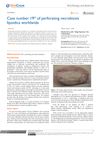
research Case number 19th of perforating necrobiosis lipoidica worldwide
This article reports the first case of perforating necrobiosis lipoidica in Colombia and the 19th case worldwide in diabetic patients.
research Stem Cells in the Hair Follicle and Interfollicular Epidermis of Mice following Topical Application of Fluocinolone Acetonide
This study found that bulge keratinocytes in mice develop resistance to glucocorticoid treatment more slowly than interfollicular keratinocytes and do not significantly aid in repairing glucocorticoid-induced skin atrophy within five days.

research Combined treatment modalities in atrophic acne scars: a prospective study
This study found that a combination therapy of subcision, micro-needling, and TCA CROSS led to significant improvement in atrophic acne scars, with many patients showing improved scar grades over the treatment period.
research Use of Condensed Nanofat Combined With Fat Grafts to Treat Atrophic Scars
This study reported that using condensed nanofat combined with fat grafts significantly improved the aesthetic and functional aspects of atrophic facial scars in 20 patients, as assessed by both patients and plastic surgeons using the Patient and Observer Scar Assessment Scale.

research A Meta-analysis of the Evidence for Assisted Therapy with Platelet-Rich Plasma for Atrophic Acne Scars
Platelet-rich plasma therapy helps improve atrophic acne scars.

research Fractional microneedle radiofrequency for photoaging and atrophic acne scar: a split-face clinical observation of two devices
In this study, the Peninsula Timerevert Needle was found to provide effective treatment for skin photoaging and acne scars with less pain and shorter treatment duration compared to EndyMed, although it caused more bleeding.

research Updated Management of Atrophic Post Acne Scars: Review Article
This study concluded that combination therapies often yield better results for treating atrophic post-acne scars than single treatments.

research 1250 Development of an ex vivo human skin explant model to examine candidate gene functions in the hair follicle and epidermis
This study found that treating human skin explants with TPA increased the number of certain melanocyte phenotypes in the interfollicular epidermis, suggesting that this ex vivo model can effectively replicate human skin's pharmacologic responses for studying potential treatments.
research Clinico-Epidemiological Study of Scalp Dermatosis at Tertiary Care Centre in Central India
This observational study conducted in an Indian hospital found that autoimmune conditions, particularly alopecia areata, were the most prevalent scalp dermatoses among 152 patients, emphasizing the importance of accurate diagnosis and treatment to address both physical and psychological impacts.

research Pediatric Lichen: Epidemiological and Clinical Characteristics in Children
This study conducted at a Moroccan tertiary dermatology center describes the characteristics of pediatric lichen, highlighting that dermoscopy can improve diagnostic accuracy by identifying distinct patterns across clinical variants, with lichen sclerosus being the most frequent subtype among the children studied.

research Hair and Scalp Disorders in a Tuscan Pediatric Dermatological Outpatient Clinic: A Clinical and Epidemiological Evaluation
This study reported that hair and scalp disorders accounted for a significant portion of pediatric dermatology visits, with a diverse range of conditions observed among the children.

research Urticaria, Drug Hypersensitivity Rashes, Nodules and Tumors, and Atrophic Diseases
The document concludes that various skin conditions have specific treatments, ranging from antihistamines for urticaria to surgery and medication for tumors and chronic skin diseases.
research Frontal fibrosing alopecia versus lichen planopilaris: a clinicopathological study
This study found that frontal fibrosing alopecia and lichen planopilaris have similar histopathological features, but FFA exhibits more prominent apoptosis and less inflammation with spared interfollicular epidermis.
research Review of applications of microneedling in dermatology
This review highlights microneedling's promise as an adjuvant therapy for enhanced drug delivery in dermatology, especially for conditions like atrophic scars and pigmentation disorders, though its efficacy for vitiligo is limited.

research Microneedling: Where do we stand now? A systematic review of the literature
This review found that microneedling appears to be a safe and effective option for treating scars and wrinkles, with fewer side effects and shorter recovery time than some other treatments.

research Thyroid hormone action on skin
This article reviews the skin condition myxedema associated with hypothyroidism, highlighting its characteristic non-pitting, glycosaminoglycan-rich nature, and reports no new results.
research Serial sections of atrophic acne scars help in the interpretation of microscopic findings and the selection of good therapeutic modalities
This study identified distinct microscopic characteristics of acne scars, including inflammatory infiltrates and insufficient collagen deposition, suggesting that treatment should consider these histopathological findings and employ combination therapy.
research Distinctive histopathologic findings in linear morphea (en coup de sabre) alopecia
This case report describes a 26-year-old female with linear morphea and unique alopecia characterized by atrophic follicular remnants, resembling telogen follicles but indicating permanent alopecia, unlike typical findings in morphea-related alopecia.

research Lasers, Microneedling, and Platelet-Rich Plasma for Skin Rejuvenation and Repair
This review summarizes the positive clinical response of using platelet-rich plasma as an adjuvant in skin rejuvenation treatments, with no identifiable complications, suggesting a promising outlook for its future use.

research Two-Stage Procedure to Correct Scalp and Facial Scars—Autologous Fat Grafting Before Hair Grafting
This retrospective study observed that hair grafting in burn and postskin graft scars, which preserve deeper skin layers, had more favorable outcomes than in scars extending to the subcutaneous layer.