 4 citations
,
January 2014 in “The Scientific World Journal”
4 citations
,
January 2014 in “The Scientific World Journal” This study found that deer antler aqueous extract may promote hair growth in mice by extending the anagen phase and increasing cell proliferation in the hair follicle region.
 1 citations
,
May 2023 in “Biochemical and Biophysical Research Communications”
1 citations
,
May 2023 in “Biochemical and Biophysical Research Communications” This study found that DKK1-targeting siRNA, which may activate the Wnt/β-catenin signaling pathway, showed hair growth results in mice similar to those treated with the FDA-approved minoxidil, suggesting potential as an androgenetic alopecia therapy.
 January 1997 in “Medical Journal Armed Forces India”
 This study found that RADA-PRG hydrogels enhanced skin-derived precursor cell proliferation and improved hair follicle neogenesis in mice, suggesting potential use as a scaffold material in tissue engineering.
 1 citations
,
December 2022 in “Parasitologists United Journal”
1 citations
,
December 2022 in “Parasitologists United Journal” This study observed that M. domestica larva-derived chitosan and gut extracts enhanced wound healing and collagen deposition in both immunocompetent and immunosuppressed mice, indicating potential benefits for combined therapy.
 August 2024 in “Life Science Alliance”
 This study found that topical application of TGF-β mimic promoted enhanced wound healing and tissue regeneration in mice, suggesting its potential as a therapeutic option for improving wound healing.
 1 citations
,
January 2007 in “The Kitakanto Medical Journal”
1 citations
,
January 2007 in “The Kitakanto Medical Journal” This report documents a case where a man survived sub-acute toxicity from an overdose of the anticancer drug UFT due to effective treatment with antibiotics and granulocyte colony-stimulating factor.
 25 citations
,
November 2012 in “Phytotherapy Research”
25 citations
,
November 2012 in “Phytotherapy Research” In this study, oral administration of Crataegus pinnatifida extract was associated with hair growth promotion in mice by inducing anagen phase and enhancing cell signaling related to hair follicle development.
 93 citations
,
November 2018 in “Carbohydrate Polymers”
93 citations
,
November 2018 in “Carbohydrate Polymers” This study demonstrated that modified montmorillonites combined with bacterial cellulose enhanced antimicrobial, wound healing, and tissue regenerative activities in a burn mice model, suggesting potential as an artificial skin substitute for burn patients.
4 citations
,
September 2024 in “Cell Reports” This study found that mice lacking the CXCR2 receptor regenerated tissue scarlessly in various injury models and that administering plasma or G-CSF from these mice to wild-type mice also reduced scarring, suggesting potential therapeutic strategies to improve human skin wound healing.
February 2026 in “European Journal of Pharmacology” In this study, teicoplanin significantly improved hair regrowth and follicle size in mice with dihydrotestosterone-induced androgenetic alopecia, suggesting its potential as a treatment option for hair loss due to its ability to enhance cell proliferation and decrease androgen receptor protein levels.
13 citations
,
April 2010 in “Journal of dermatological science” This study reports that chemotherapy-induced alopecia in mice may be linked to decreased laminin-511 and increased laminin-332 around hair follicles, suggesting a potential mechanism for abrupt hair loss.
 August 2023 in “Stem Cell Research & Therapy”
 This study found that cell-free fat extract (CEFFE) enhanced hair growth in mice with androgenetic alopecia by increasing hair follicle density and promoting proliferation while regulating the DHT/AR pathway.
 2 citations
,
April 2017 in “Molecular Medicine Reports”
2 citations
,
April 2017 in “Molecular Medicine Reports” In this study, blocking autophagy with 3-methyladenine significantly improved the survival of inner ear hair cells in a gentamicin-induced ototoxic mouse model.
 21 citations
,
April 2018 in “Journal of Dermatological Science”
21 citations
,
April 2018 in “Journal of Dermatological Science” This study found that topical cilostazol promotes hair growth, enhances hair follicle activities, and may serve as a potential treatment for alopecia.
 49 citations
,
January 2018 in “Theranostics”
49 citations
,
January 2018 in “Theranostics” This study found that a novel skin patch combining extracellular matrix and ciprofloxacin promotes advanced wound healing and skin regeneration in mouse models of infected wounds.
 10 citations
,
July 2002 in “Australasian Journal of Dermatology”
10 citations
,
July 2002 in “Australasian Journal of Dermatology” This letter to the editor provides no new results or studies on dermatological topics; it may address previous articles or observations.
 June 2025 in “Theranostics”
 This study found that exosomes derived from mesenchymal stem cells primed with rapamycin significantly enhanced hair regrowth, hair density, and hair follicle development in depilation-induced mice compared to controls, suggesting a potential therapeutic approach for hair loss.
 6 citations
,
May 2009 in “Cell transplantation”
6 citations
,
May 2009 in “Cell transplantation” This study found that EGCG improved the integrity of skin grafts during cryopreservation, suggesting its potential usefulness for skin preservation, though the exact mechanism remains unclear.
 October 2016 in “Elsevier eBooks”
 This article reviews the most common skin diseases worldwide and reports no new clinical findings.
 2 citations
,
October 2021 in “Egyptian Journal of Chemistry”
2 citations
,
October 2021 in “Egyptian Journal of Chemistry” In this study, researchers used pumpkin aqueous extract to create iron nanoparticles, finding them effective at inhibiting harmful bacteria found in burn and wound infections, as well as promoting burn healing and hair growth in a laboratory mouse model.
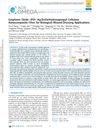 22 citations
,
September 2019 in “ACS omega”
22 citations
,
September 2019 in “ACS omega” This study found that AGO@HPC nanocomposite films demonstrated enhanced mechanical, anti-ultraviolet, and antibacterial properties, suggesting potential for use in antibacterial packaging and wound-dressing applications.
6 citations
,
July 2021 in “International Wound Journal” In this study, a novel biofilm-dispersing wound gel did not interfere with healing and may enhance it by reducing inflammation in murine models with full-thickness skin wounds.
 November 2023 in “Materials Today Bio”
 In this study, researchers developed a novel temperature-sensitive biopolymer-based drug delivery system that enhanced the transdermal delivery of ISX9, a neurogenesis inducer, resulting in more effective hair follicle regrowth and signal pathway activation in vivo compared to traditional topical application.
22 citations
,
October 2018 in “Molecular Medicine Reports” In this study, classic PDRN (50-1,500 kDa) was observed to improve wound healing quality in a mouse model by enhancing collagen composition and cell migration.
527 citations
,
December 2011 in “Proceedings of the National Academy of Sciences” This study found that dextran-based hydrogels promoted significant neovascularization and skin regeneration in mouse models of third-degree burns, without the need for additional growth factors or cells.
 1 citations
,
January 2024 in “Advanced science”
1 citations
,
January 2024 in “Advanced science” This study found that fibronectin-attached cell sheets significantly improved wound healing in vivo by increasing wound closure rates, reducing inflammation, and promoting tissue regeneration compared to conventional cell sheets.
 14 citations
,
April 2021 in “Heliyon”
14 citations
,
April 2021 in “Heliyon” This study found that both alcoholic and aqueous extracts of Punica granatum L. showed potential for promoting hair growth and exhibited anti-lice and antidandruff activities in a mouse model.
7 citations
,
February 2024 in “ACS Applied Materials & Interfaces” This study found that PEGylated Ag₂S-ZnS@TGA-AA heteronanostructures, activated by light exposure, showed synergistic antibacterial effects against multidrug-resistant bacteria, significantly accelerating the healing of MRSA-infected wounds in comparison to untreated wounds.
 January 2024 in “International Journal of Molecular Sciences”
 This study found that subcutaneous injection of a CXCL12 neutralizing antibody significantly promoted hair growth in androgenic alopecia and inhibited hair loss in alopecia areata in mouse models, suggesting its potential as a promising treatment for hair loss.
11 citations
,
October 2024 in “PLoS ONE” In this study, phage-containing hydrogels were shown to effectively treat wounds infected with E. faecalis by promoting wound healing through controlled phage release, suggesting potential to improve clinical outcomes for such infections.