 March 2026 in “Brazilian Journal of Microbiology”
 This study found that restoring the skin microbiome significantly improved hair growth and skin condition in androgenic alopecia model mice by modulating the immune-inflammatory balance, highlighting the potential of bacterial-based therapies for hair loss.
 1 citations
,
May 2021 in “Cell Host & Microbe”
1 citations
,
May 2021 in “Cell Host & Microbe” This study reports that skin bacteria can accelerate hair follicle regeneration and improve wound healing through IL-1β signaling, by activating keratinocytes in a pathway involving IL1R/Myd88.
April 2019 in “Journal of Investigative Dermatology” Gut microbiota influences the development of alopecia areata.
10 citations
,
April 2017 in “Journal of Investigative Dermatology” The gut microbiome affects the development of alopecia areata.
 14 citations
,
July 2016 in “Environmental Toxicology and Pharmacology”
14 citations
,
July 2016 in “Environmental Toxicology and Pharmacology” In this animal study, cedrol treatment reduced chemotherapy-induced alopecia in mice by preventing hair follicle damage, while minoxidil did not prevent alopecia under similar conditions.
 82 citations
,
August 2017 in “Cell Reports”
82 citations
,
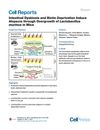
August 2017 in “Cell Reports” This study found that antibiotic-induced gut dysbiosis, particularly overgrowth of Lactobacillus murinus, can lead to hair loss in mice by depleting biotin.
 13 citations
,
January 2013 in “Molecular genetics and metabolism”
13 citations
,
January 2013 in “Molecular genetics and metabolism” This study reported that mice on a phenylalanine-deficient diet showed symptoms such as weight loss, gastric dilation, and thymic depletion, which echo human phenylalanine deficiency manifestations.
 8 citations
,
May 2017 in “Chinese Journal of Integrative Medicine”
8 citations
,
May 2017 in “Chinese Journal of Integrative Medicine” Among in vitro and in vivo models, this study found that Miscanthus sinensis var. purpurascens flower extract may promote hair growth, potentially by modulating growth factor expressions and facilitating earlier hair follicle transitions in treated mice.
 1 citations
,
January 2019 in “Springer eBooks”
1 citations
,
January 2019 in “Springer eBooks” Hidradenitis Suppurativa is a chronic skin condition best treated early with surgery for better outcomes and less recurrence.
 34 citations
,
August 2002 in “British Journal of Dermatology”
34 citations
,
August 2002 in “British Journal of Dermatology” This study observed that two patients treated with interferon α-2b and ribavirin for chronic hepatitis C experienced complete and reversible straightening of their natural curly hair, which recurred with treatment resumption.
 April 2017 in “The journal of investigative dermatology/Journal of investigative dermatology”
 This study reports that 71% of patients treated with the gamma-secretase inhibitor PF-03084014 for desmoid tumors experienced dermatologic side effects, such as follicular lesions and pruritic eruptions, which were managed with topical or systemic treatments.
 53 citations
,
April 2021 in “Cell Host & Microbe”
53 citations
,
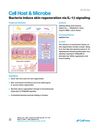
April 2021 in “Cell Host & Microbe” This study found that skin microbiota, particularly in wild-type mice, promotes wound-induced hair follicle neogenesis and wound healing, highlighting the potential downsides of routine antibiotic use on skin regeneration.
 April 2026 in “Microsystems & Nanoengineering”
 This study developed HA-gel-dex hydrogels with enhanced ECM-like properties and functionality, showing promise for 3D bioprinting, tissue repair, and as wound dressings due to improved cell interaction, cytocompatibility, antimicrobial synergy, and wound healing in mice compared to traditional ECM bio-inks.
 23 citations
,
January 2020 in “Frontiers in Pharmacology”
23 citations
,
January 2020 in “Frontiers in Pharmacology” In this study, DHT was observed to have varying effects on hair follicle growth and related protein expression depending on concentration, with the Wnt/β-catenin pathway potentially playing a significant role.
14 citations
,
November 2019 in “Mediators of inflammation” This study found that adipose-derived stem cell-conditioned media improved skin flap survival following ischemia/reperfusion injury in mice by increasing cell proliferation and the number of hair follicles, mediated by IL-6.
1 citations
,
January 2023 in “Science Advances” This study found that bacterially induced metabolic changes in stem cells can enhance skin and hair follicle regeneration in both mice and humans, suggesting potential strategies for improving recovery after injury.
 22 citations
,
January 2014 in “Biological & Pharmaceutical Bulletin”
22 citations
,
January 2014 in “Biological & Pharmaceutical Bulletin” This study found that ginsenoside F2 may suppress hair cell apoptosis and improve hair growth outcomes in a DHT-induced hair loss model more effectively than finasteride.
 October 2020 in “Veterinary Dermatology”
 This review discusses autoimmune blistering diseases across species and highlights new treatment efficacy findings and ongoing trials, but it reports no new clinical results.
 January 2019 in “Springer eBooks”
 Acne is linked to inflammation and insulin resistance, and is associated with various syndromes that require different treatments.
 8 citations
,
June 2008 in “Aktuelle Dermatologie”
8 citations
,
June 2008 in “Aktuelle Dermatologie” Early diagnosis and personalized treatment are crucial for managing different types of alopecia effectively.
63 citations
,
June 2023 in “Journal of Nanobiotechnology” In this study, researchers developed a 3D chitosan/polyvinyl alcohol-tannic acid nanofiber sponge that demonstrated effective hemostatic, antibacterial, and antioxidant properties without antibiotics, accelerated wound healing in vivo, and showed high biocompatibility with L929 cells, highlighting its potential as a wound dressing for clinical use.
17 citations
,
June 2022 in “Frontiers in Nutrition” This study found that fermented Flammulina velutipes polysaccharides showed higher antioxidant and anti-inflammatory capacities than non-fermented ones, suggesting potential use in functional foods and health products.
5 citations
,
January 2014 in “Advances in bioscience and biotechnology” This study concluded that daily ingestion of natural honey may protect against liver toxicity induced by Doxorubicin in male Albino mice.
13 citations
,
August 2015 in “Oncology Reports” This study found that human adipose tissue-derived mesenchymal stem cells inhibited A549 tumor growth but significantly promoted HT-29 tumor growth in mouse models, highlighting opposing effects depending on the cancer type.
 18 citations
,
June 2019 in “Clinical research in dermatology”
18 citations
,
June 2019 in “Clinical research in dermatology” This review discusses psychological impacts associated with facial acne, noting that high levels of anxiety and depression among these patients are not linked to oxidative stress, and reports no new clinical results.
 9 citations
,
April 2019 in “Biomolecules & Therapeutics”
9 citations
,
April 2019 in “Biomolecules & Therapeutics” This study found that udenafil-treated adipose-derived stem cells accelerated hair growth in mice by enhancing stem cell activity and growth factor secretion through the ERK and NFκB pathways.
 18 citations
,
October 2020 in “Radiation Research”
18 citations
,
October 2020 in “Radiation Research” This review discusses the similarities between COVID-19 and acute radiation syndrome, highlighting their shared inflammatory responses and suggesting that insights from radiation biology could inform COVID-19 research and treatment approaches; it reports no new clinical results.
 July 2024 in “ACS Biomaterials Science & Engineering”
 In this study, researchers used a 3D in vitro organ culture system to show that rifampicin-loaded lipid nanocapsules can penetrate hair follicles more effectively than free rifampicin, highlighting the potential advantage of nanocarrier-based antibiotic treatments for follicular infections.
 October 2023 in “bioRxiv (Cold Spring Harbor Laboratory)”
 This study demonstrated that disrupting EGFR signaling in mice leads to immune sensitivity compromising the hair follicle's protective environment, but JAK1/2 inhibition can restore this immune privilege and stimulate hair growth, suggesting a potential therapy for scarring hair loss diseases like cicatricial alopecia.
 162 citations
,
July 2011 in “Biomacromolecules”
162 citations
,
July 2011 in “Biomacromolecules” This study found that chitosan nanofibrillar scaffolds accelerated skin wound healing in mice by enhancing cell adhesion, proliferation, and regeneration of epidermis and dermis compared to other forms.