 22 citations
,
November 2024 in “Planta”
22 citations
,
November 2024 in “Planta” This review highlights the potential of aromatic plants as natural antioxidants in cosmeceuticals, which may combat skin aging and promote rejuvenation by counteracting oxidative stress, offering a natural alternative to synthetic products with benefits like photoprotection and anti-wrinkle effects.
8 citations
,
June 2024 in “Pharmaceutics” This study found that using elastic nano-liposomes to deliver palmitoylethanolamide improved its transdermal delivery and enhanced its skincare effects, with minimal cytotoxicity and no allergic reactions observed.
4 citations
,
October 2025 in “Molecules” This study concluded that extracts from fermented pumpkin peel and pulp, processed with Lactobacillus strains and kombucha, may serve as multifunctional cosmetic ingredients, offering antioxidant protection, anti-aging, and skin regeneration benefits by demonstrating cytoprotective effects and reducing inflammatory cytokines in cell assays.
 4 citations
,
January 2018 in “Cosmetics”
4 citations
,
January 2018 in “Cosmetics” This review discusses the potential use of spin traps in cosmetic products to limit reactive oxygen species generated by pollution, emphasizing the need for further research due to toxicity and regulatory concerns.
 2 citations
,
September 2015 in “Clínica e Investigación en Arteriosclerosis”
2 citations
,
September 2015 in “Clínica e Investigación en Arteriosclerosis” This review discusses the association between certain dermatological diseases and increased cardiovascular risk, highlighting the need for clinicians to address cardiovascular risk factors in these patients.
 2 citations
,
January 2011 in “Elsevier eBooks”
2 citations
,
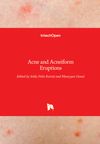
January 2011 in “Elsevier eBooks” This book reviews the various types of acne and acneiform conditions, as well as their treatment options, with expert insights from multiple fields.
 1 citations
,
August 2024 in “Polish Journal of Environmental Studies”
1 citations
,
August 2024 in “Polish Journal of Environmental Studies” This study reviewed 54 articles to examine how continuous exposure to air pollution causes hair damage, hair loss, and scalp conditions due to oxidative stress and inflammation, and highlighted anti-inflammatory substances that could mitigate these effects.
 1 citations
,
January 2018 in “Acta dermatovenerologica Alpina, Pannonica et Adriatica (Tiskana izd.)”
1 citations
,
January 2018 in “Acta dermatovenerologica Alpina, Pannonica et Adriatica (Tiskana izd.)” This study found that a herbal shampoo and solution were more effective than placebo in reducing hair loss and improving hair growth in participants with androgenetic alopecia and telogen effluvium.
 July 2026 in “International Journal of Innovative Technologies in Social Science”
 This review found that while treating keratosis pilaris is challenging, current therapies can lead to significant improvement, particularly when tailored to the individual's specific disease phenotype and concerns.

This study validated a new test method using a patented chamber to measure the efficacy of a sunscreen in reducing carbon black particle adhesion, with a 55% reduction observed on treated skin in a group of 22 women.
 April 2026 in “Journal of Pharmaceutical Investigation”
 This review discusses recent advancements in nanotechnology for treating hypertrophic scarring and atopic dermatitis, highlighting the potential of nanotherapeutic platforms in enhancing therapeutic effects by modulating the skin's microenvironment.
December 2025 in “International Journal of Molecular Sciences” In this study, orally administered Centella asiatica extract, standardized for asiaticoside content, significantly improved skin barrier function, elasticity, and reduced signs of UVB-induced photoaging in hairless mice, highlighting its potential as a nutricosmetic for skin health.
 March 2023 in “International journal of integrated medical research”
 This article discusses keratosis pilaris, a common skin condition often considered a normal variant, and reviews its associations, progression, and available treatments without reporting new clinical results.
 January 2014 in “Journal of Investigative Dermatology”
 Proteins like aPKC and PDGF-AA, substances like adenosine and ATP, and adipose-derived stem cells all play important roles in hair growth and health, and could potentially be used to treat hair loss and skin conditions.
 October 2025 in “Editora Pasteur eBooks”
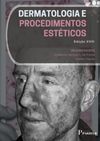
 The abstract discusses the multidisciplinary nature and advancement of dermatology and aesthetic procedures within the health sciences, emphasizing the integration of diagnostic, corrective, preventive, and therapeutic approaches, but does not provide specific study results.
 140 citations
,
April 2004 in “The journal of investigative dermatology/Journal of investigative dermatology”
140 citations
,
April 2004 in “The journal of investigative dermatology/Journal of investigative dermatology” This study found that mice lacking the 1αOHase enzyme, which is responsible for producing a key vitamin D metabolite, showed impaired epidermal differentiation and delayed recovery of skin barrier function after disruption.
 86 citations
,
August 2011 in “Toxicological sciences”
86 citations
,
August 2011 in “Toxicological sciences” In this study, researchers found that TCDD exposure accelerated differentiation and altered gene expression in human epidermal cells, indicating the epidermal barrier as a target of TCDD-activated AHR.
 43 citations
,
June 2018 in “Clinics in dermatology”
43 citations
,
June 2018 in “Clinics in dermatology” This review discusses the variety of skin disorders associated with atopic dermatitis, exploring their complex relationships and shared genetic and environmental factors, but reports no new clinical results.
34 citations
,
August 2019 in “Journal of Allergy and Clinical Immunology” mTORC2 is crucial for healthy skin barrier by regulating lipids and filaggrin.
23 citations
,
February 2015 in “The American journal of pathology” This study found that the absence of sebaceous glands may be an early factor in the development of keratosis pilaris, leading to hair shaft and skin barrier abnormalities, independent of filaggrin mutations.
 1 citations
,
September 2010 in “The journal of investigative dermatology/Journal of investigative dermatology”
1 citations
,
September 2010 in “The journal of investigative dermatology/Journal of investigative dermatology” This article reviews a variety of research presentations from the Society for Investigative Dermatology's annual meeting, highlighting advances in dermatological research without reporting new clinical results.
 April 2019 in “Journal of emerging technologies and innovative research”
 This article discusses female pattern baldness and effective treatments like oral anti-androgens and topical minoxidil for managing its progression and reversing hair follicle shrinkage, but reports no new findings.
 March 2026 in “Molecules”
 In this laboratory study, researchers reported that Camellia sinensis seed flavonoids significantly reduced oxidative stress and inflammation in UV-irradiated skin cells by modulating key signaling pathways, highlighting its potential as a skincare ingredient for anti-inflammatory and anti-photoaging benefits.
124 citations
,
November 2000 in “The journal of investigative dermatology/Journal of investigative dermatology” This study found that human peptidylarginine deiminase type III is the predominant isoform in hair follicles and may modulate structural proteins during hair and hair follicle formation.
375 citations
,
June 2013 in “Biochimica et biophysica acta. Molecular cell research” This review examines the process of cornification as a mode of programmed cell death and outlines how keratinocytes activate anti-cell death mechanisms to maintain epidermal homeostasis, but reports no new results.
122 citations
,
December 2022 in “International Journal of Molecular Sciences” In this review, researchers discussed recent advances in nanotechnology for topical skin applications, highlighting how nanocarriers enhance skin penetration and targeting in treatments for diseases like melanoma and psoriasis, while acknowledging that the penetration mechanisms and health impacts of nanoparticles remain not fully understood.
30 citations
,
February 2023 in “Journal of Investigative Dermatology” OX40-targeted therapies may help treat skin diseases by reducing inflammation and balancing immune responses.
17 citations
,
September 2024 in “Journal of Ginseng Research” This review discusses recent in vitro and in vivo research suggesting that components of ginseng, such as ginsenosides and gintonin, may have potential skincare benefits, including anti-aging effects and treatment of skin conditions like atopic dermatitis and hypertrophic scars.
9 citations
,
May 2023 in “Stem Cell Research & Therapy” This study found that mesenchymal stem cell treatment alleviated atopic dermatitis-like symptoms in a mouse model by modulating immune and inflammatory responses, with gene expression changes suggesting pathways for potential personalized treatment approaches.
 7 citations
,
March 2023 in “Antioxidants”
7 citations
,
March 2023 in “Antioxidants” This study confirmed the antioxidant role of rosemary, suggesting its potential use in treating inflammatory and infectious skin conditions, but emphasizes that more large-scale controlled trials are necessary to fully understand its clinical impact.