 September 2024 in “Journal of the American Academy of Dermatology”
 In this study, a novel compound named AH-001 demonstrated effective androgen receptor protein degradation, reducing hair loss progression in a mouse model of androgenetic alopecia, with minimal systemic exposure and side effects, suggesting potential for safer treatment.
 April 2020 in “Dermatology and therapy”
 In this study, the novel 5% minoxidil formulation significantly increased scalp hydration and decreased redness in Indian men with androgenetic alopecia compared to alcohol-based formulations.
1 citations
,
June 2024 in “International Journal of Dermatology” In this study, Alhanshali and co-authors reported that low-dose oral minoxidil, used for treating androgenetic alopecia, may worsen hangover symptoms in some male patients, potentially due to interactions with alcohol that affect blood pressure and metabolic processes.
In their review, the authors discussed the increasing issue of allergies to hair products, highlighting common allergens such as hair dyes and topical minoxidil, and outlined diagnostic methods and alternatives for those affected, particularly addressing higher risks among hairdressers due to professional exposure.
1 citations
,
January 2020 in “International Journal of Trichology” This study found that patients with early onset androgenetic alopecia had significantly higher levels of the biomarker YKL-40, suggesting a link to both the condition's pathogenesis and related metabolic syndrome.
November 2012 in “Journal of Clinical Pathology” 3 citations
,
October 2021 in “Journal of Cosmetic Dermatology” This study found that topical patches containing allicin from garlic extract may be a promising and cost-effective option for treating alopecia areata, offering better aesthetic acceptance than mashed garlic.
 12 citations
,
December 2017 in “Food and chemical toxicology”
12 citations
,
December 2017 in “Food and chemical toxicology” This study found that mixtures used in permanent hair dyes had irritant effects on reconstructed human epidermis, while individual ingredients alone did not.
This study found that, compared to oxidative treatments, reductive perm-waving more severely impacts the intermediate filaments in European human hair, while both treatments alter denaturation kinetics in a first-order manner.
 24 citations
,
April 2011 in “Journal of Chemical & Engineering Data”
24 citations
,
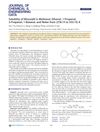
April 2011 in “Journal of Chemical & Engineering Data” This study measured the solubility of minoxidil in various solvents, finding the highest solubility in methanol and lowest in water, with solubility correlating to temperature.
February 2025 in “International Journal of Molecular Sciences” This meta-analysis of animal studies found that alkaloids have potential anti-influenza and anti-inflammatory effects, correlating with improved viral titers and survival rates, though they did not effectively reduce TNF-α and IL-6 levels. Extensive further studies are needed to confirm these findings before considering clinical application.
 13 citations
,
January 2005 in “Chemical and Pharmaceutical Bulletin”
13 citations
,
January 2005 in “Chemical and Pharmaceutical Bulletin” This study reported that newly synthesized progesterone derivatives significantly reduced prostate weight in testosterone-treated hamsters, with 5alpha-reductase inhibitory activity dependent on the size of the substituent at C-17.
 4 citations
,
November 2018 in “Journal of pharmacological sciences”
4 citations
,
November 2018 in “Journal of pharmacological sciences” This study found that low-intensity exercise improved pain relief in aged rats through increased brain allopregnanolone levels, while high-intensity exercise was effective in both adult and aged rats via a different mechanism.
409 citations
,
May 1991 in “Genes & Development” This study observed that overexpression of TGF-alpha in transgenic mice led to thicker epidermis and stunted hair growth, particularly in regions with normally thick skin and low hair density.
232 citations
,
January 2002 in “Mechanisms of development” This study reports that the differential expression patterns of three retinaldehyde dehydrogenases suggest a regulated need for retinoic acid synthesis in various organs during late mouse organogenesis.
73 citations
,
April 2006 in “BioTechniques” This essay reviews the potential of protein microarrays in proteomics and diagnostics, highlighting no new clinical results but emphasizing the need for advanced high-quality proteins and antibodies.
52 citations
,
March 2015 in “Tissue Engineering Part C Methods” This study presented 3D images of human dermis, revealing fewer elastic fibers near hair follicles compared to other regions, which may aid future skin engineering efforts.
41 citations
,
October 2019 in “Biomolecules” This review highlights the role of all-trans retinoic acid in regulating stem and progenitor cell proliferation and differentiation, suggesting its potential to enhance treatments in regenerative medicine and cancer.
31 citations
,
March 2016 in “Journal of Investigative Dermatology” AKR1B10 enzyme may cause keloid scars and could be a treatment target.
28 citations
,
September 1998 in “Journal of Investigative Dermatology” This study isolated and characterized two distinct types of caspase-like proteases from human epidermis, suggesting their involvement in keratinocyte differentiation and apoptosis processes.
20 citations
,
February 2018 in “Cell transplantation” This study found that the water extract of Cinnamomum osmophloeum Kanehira leaves enhanced hair growth in vitro and in a mouse model, suggesting potential use for treating hair loss.
14 citations
,
January 1977 in “PubMed” This study found that a specific variant in hair keratin was present mainly in Caucasian samples, with few exceptions showing likely Caucasian admixture.
7 citations
,
May 2012 in “Journal of veterinary diagnostic investigation” This study reports that vitamin A deficiency can cause dermatologic issues like alopecia and orthokeratosis in Angus calves, and affected calves improved with vitamin A supplementation.
7 citations
,
March 1993 in “International Journal of Oncology” This study found that the keratin expression in basal cell carcinoma resembles that of the pilosebaceous apparatus, with uniform presence of certain keratins in all cases.
 6 citations
,
December 2022 in “Colloids and Surfaces B: Biointerfaces”
6 citations
,
December 2022 in “Colloids and Surfaces B: Biointerfaces” This study reported that a novel bilayer wound dressing made from PLCL nanofibers and keratin hydrogel, loaded with FGF-2, promoted skin healing and showed potential for use in skin tissue engineering.
5 citations
,
August 2021 in “Journal of biological chemistry/The Journal of biological chemistry” This study observed sexually dimorphic effects of reduced Rdh10 on energy metabolism and muscle function in mice, with males experiencing decreased endurance and females showing increased endurance on a high-fat diet.
3 citations
,
August 2021 in “Nutrition research” This study suggests that estrogen regulates vitamin A metabolism in skin tissues in a sex-dependent manner, which may have implications for treating acne, hair loss, and skin immunity.
 July 2026 in “Preprints.org”
 In this study, incorporating a novel amino acid compound into a hair-straightening formulation improved humidity-resistant straightening and enhanced the surface and mechanical properties of hair fibers, including increased bending stiffness, reduced friction, and better shape retention under high temperature and humidity conditions.
March 2026 in “Chemical Engineering Journal” The hydrogel helps heal diabetic wounds by combining antibacterial, antioxidant, and immune-boosting effects.
 July 2025 in “The FASEB Journal”
 This study reported that exosomes derived from human amniotic mesenchymal stem cells (hAMSC-exo) accelerated hair growth in androgenetic alopecia mice by enhancing signals between hair follicle cells and improving cellular environments, particularly protecting against dihydrotestosterone-induced damage via Wnt/β-catenin signaling.