 30 citations
,
June 2014 in “Seminars in Immunology”
30 citations
,
June 2014 in “Seminars in Immunology” This review discusses recent advances in understanding the Eda pathway's role in developmental biology, and highlights ongoing trials and areas for further research, including Eda's potential involvement in cell processes and disease.
 14 citations
,
August 2009 in “Cancer epidemiology”
14 citations
,
August 2009 in “Cancer epidemiology” This study found that AHCC significantly reduced alopecia caused by Ara-C in neonatal rats and improved liver function affected by 6-MP and MTX in mice.
5 citations
,
January 2000 in “Inhalation Toxicology” This study found that exposure to aqueous dispersion resin in aerosol form increased lung weights and caused histopathological changes in animals at higher concentrations, with a no-observable-effect level at 30 mg/m³.
October 2025 in “OPAL (Open@LaTrobe) (La Trobe University)” This case report describes a 10-month-old minority infant from Xinjiang, China, with acrodermatitis enteropathy due to a SLC39A4 genetic mutation, showing clinical improvement in skin, hair, and zinc levels following zinc supplementation and highlighting the importance of early diagnosis and tailored treatment.
 September 2025 in “Tạp chí Da liễu học Việt Nam”
 This study found that both 2.5 mg/mL and 5 mg/mL concentrations of intralesional triamcinolone acetonide are effective for treating patchy alopecia areata, but the higher concentration promoted greater hair regrowth and density with more side effects.
 6 citations
,
January 2013 in “Case reports in endocrinology”
6 citations
,
January 2013 in “Case reports in endocrinology” This article reviews acromegaloid facial appearance syndrome and presents a case in a 57-year-old woman, emphasizing the need for more cases to understand its clinical features and inheritance patterns.
1 citations
,
September 2021 in “Journal of Cosmetic Dermatology” This study found that the ACE gene I/D polymorphism may serve as a genetic susceptibility indicator for androgenetic alopecia in an Egyptian patient group.
 October 2025 in “BMC Pediatrics”
 This case report describes an 8-year-old boy with acrodermatitis enteropathica who showed significant recovery from severe symptoms after receiving a therapeutic zinc supplement.
 30 citations
,
March 2019 in “Archives animal breeding/Archiv für Tierzucht”
30 citations
,
March 2019 in “Archives animal breeding/Archiv für Tierzucht” In this study, variation in the KRTAP15-1 gene in goats was linked to changes in cashmere fibre diameter, with specific variants showing dominant or recessive effects.
 January 2023 in “Journal of cosmetic dermatology”
 This study found that the synthetic retinoid EC23 effectively induces keratinocyte hyperproliferation and enhances hair growth in mice, showing more potency than all-trans retinoic acid.

This study found that the FER/MLO signaling module plays a crucial role in calcium oscillations and ROS production in root hair tip growth, with the MLO15 protein regulating these processes and restoring disrupted growth and signaling in fer mutant root hairs.
 December 1998 in “Acta Crystallographica Section C-crystal Structure Communications”
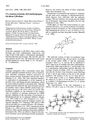
 This study describes the molecular conformation and intermolecular interactions in the crystalline structure of the compound C24H31BrO4.
 18 citations
,
April 2013 in “PLOS ONE”
18 citations
,
April 2013 in “PLOS ONE” This study found that in a mouse model, alopecia areata was associated with changes in heart structure, biochemistry, and gene expression linked to cardiac hypertrophy after ACTH exposure.
11 citations
,
October 2002 in “The Journal of Clinical Endocrinology & Metabolism” This study found that prepubertal Hispanic girls with idiopathic premature adrenarche did not show differences in 5 alpha-reductase or 11 beta-hydroxysteroid dehydrogenase activities compared to controls.
6 citations
,
January 2024 in “Frontiers in Bioengineering and Biotechnology” This study developed a smart PVA-TPE/HA-AMP/SF/ALG wound dressing that shows promise in infected wound healing by providing bacterial resistance, promoting cell proliferation, and modulating inflammation through various signaling pathways, potentially reducing scar formation.
4 citations
,
October 2024 in “Heliyon” This study characterized the CYP154C7 enzyme from *Streptomyces* sp. PAMC26508, highlighting its ability to hydroxylate steroids efficiently, particularly androstenedione, and identified key amino acids important for substrate selectivity and catalytic efficiency.
 1 citations
,
January 2019 in “Journal of The Korean Institute of Illuminating and Electrical Installation Engineers”
1 citations
,
January 2019 in “Journal of The Korean Institute of Illuminating and Electrical Installation Engineers” This study found that LEDs at specific wavelengths may improve antifungal performance and promote hair growth by activating scalp cells without inducing inflammation compared to a non-irradiated group.
This study identified UBC22 as a novel E2 enzyme responsible for Lys11-linked ubiquitination in Arabidopsis, revealing its crucial roles in seed setting, female gametophyte development, and pathogen resistance.
November 2023 in “Journal of Investigative Dermatology” Highly active but fewer CD14+CD16- monocytes are found in Alopecia Areata patients, regardless of severity.
 November 2022 in “Orphanet Journal of Rare Diseases”
 This review discusses treatment options for hereditary angioedema and reports no new results; it highlights concerns about androgen side effects and mentions approved alternatives with fewer serious adverse effects.
 April 2024 in “Bioscience trends”
 This study found that patients with alopecia areata had significantly higher levels of circulating DNA for certain cytokines compared to healthy controls, suggesting that increased circulating DNA may be linked to hair follicle damage in these patients.
4 citations
,
May 2018 in “European journal of dermatology/EJD. European journal of dermatology” Fumaric acid esters might help treat alopecia areata, but more research is needed.
1 citations
,
January 2024 in “International Journal of Applied Biochemistry and Molecular Biology.” In this case-control study, EGF levels were significantly higher in patients with alopecia areata than in healthy controls, and these elevated levels positively correlated with the severity and extent of the disease, suggesting EGF as a potential marker for alopecia areata severity.
 2 citations
,
August 2013 in “The Lancet. Diabetes & endocrinology”
2 citations
,
August 2013 in “The Lancet. Diabetes & endocrinology” This report discusses the FDA's third denial of approval for Aveed, a long-acting testosterone injection by Endo Pharmaceuticals, citing continued safety concerns including severe side effects.
January 2026 in “Clinical and Experimental Dermatology” In this case report, complete hair regrowth was observed in a patient with autoimmune-related alopecia areata after treatment with a Janus kinase inhibitor, suggesting its potential effectiveness for both genetic and sporadic forms of the condition.
 April 2023 in “Journal of Investigative Dermatology”
 In this study, a new emulsion containing CBD and ginger root extract significantly reduced symptoms of dry and eczema-prone skin, such as erythema and itching, in a clinical trial.
July 2024 in “Journal of Investigative Dermatology” ATR04-484 ointment shows promise for treating skin issues from cancer therapies.
3 citations
,
June 2025 in “Frontiers in Nutrition” This study reviewed literature on pediatric acrodermatitis enteropathica and found that zinc deficiency occurred in 75.9% of cases, with zinc supplementation showing therapeutic efficacy in 91.4% of patients; however, it was often ineffective in those with underlying metabolic disorders.
 11 citations
,
November 2019 in “Clinical Case Reports”
11 citations
,
November 2019 in “Clinical Case Reports” This study highlights that while there are no FDA- or ANVISA-approved treatments for children with alopecia areata, JAK inhibitors are emerging as a promising therapeutic option for this population.
 April 2023 in “The journal of investigative dermatology/Journal of investigative dermatology”
 This preliminary study of Alopecia Areata identified limited expression of certain metabolic transporters and enzymes in hair follicle immune cells, providing early insight into their unique energy needs.