 June 2025 in “Frontiers in Physiology”
 This study demonstrated that PGF 2α significantly stimulates hair growth in human hair follicles via a receptor-driven mechanism, with a notably stronger response in intermediate follicles than in terminal ones, suggesting potential clinical significance for conditions like alopecia.
36 citations
,
August 2023 in “Journal of Investigative Dermatology” Understanding the hair growth cycle in mice is crucial for accurate research, as it affects study results and requires careful timing and methods.
October 2022 in “The Korean Journal of Physiology and Pharmacology” This review discusses the roles of prostaglandins in hair loss and highlights their potential as targets for new alopecia treatments, but reports no new clinical findings.
 86 citations
,
July 2020 in “International Journal of Molecular Sciences”
86 citations
,
July 2020 in “International Journal of Molecular Sciences” This review discusses the role of Wnt/β-catenin signaling in hair follicle regeneration and highlights recent progress in developing hair loss treatments targeting this pathway, but reports no new clinical results.
 29 citations
,
April 2020 in “Journal of Tissue Engineering and Regenerative Medicine”
29 citations
,
April 2020 in “Journal of Tissue Engineering and Regenerative Medicine” This study demonstrates that incorporating human neopapilla into reconstructed human skin can initiate hair follicle morphogenesis by stimulating epidermal invagination and maintaining follicle-inductive properties in vitro.
 131 citations
,
September 2017 in “Molecular and Cellular Endocrinology”
131 citations
,
September 2017 in “Molecular and Cellular Endocrinology” This article discusses the role of androgens in metabolic and reproductive health and reports no new experimental results; the focus is on androgen receptor activation by testosterone and 5α-dihydrotestosterone.
 212 citations
,
September 2015 in “Journal of Investigative Dermatology”
212 citations
,
September 2015 in “Journal of Investigative Dermatology” This article presents a comprehensive guide for classifying human hair follicle cycle stages in vivo using scalp xenografts on immunocompromised mice, offering valuable resources for researchers in the field.
 205 citations
,
March 2012 in “Science Translational Medicine”
205 citations
,
March 2012 in “Science Translational Medicine” PGD2 stops hair growth and is higher in bald men with AGA.
173 citations
,
September 2011 in “Journal of Investigative Dermatology” IL-6 contributes to hair loss by shortening the growth phase and causing hair follicles to regress.
 122 citations
,
November 2010 in “Journal of Dermatological Science”
122 citations
,
November 2010 in “Journal of Dermatological Science” This study found that increased expression of type II 5α-reductase, androgen receptors, and Hic-5/ARA55 in dermal papilla cells upregulates androgen sensitivity, playing a key role in androgenetic alopecia pathogenesis.
427 citations
,
April 2008 in “Nature Protocols” 39 citations
,
November 2007 in “Experimental dermatology” This study found that prostaglandin receptors are widely expressed in hair follicles, suggesting a complex network of prostanoid pathways involved in hair growth control.
 171 citations
,
July 2007 in “Journal of Investigative Dermatology”
171 citations
,
July 2007 in “Journal of Investigative Dermatology” The researchers reported that DHT-inducible DKK-1 may play a significant role in DHT-driven balding by inhibiting hair follicle cell growth and promoting apoptosis in androgenetic alopecia.
 375 citations
,
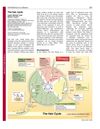
February 2006 in “Journal of Cell Science”
375 citations
,
February 2006 in “Journal of Cell Science” This article reviews the stages and regulation of the hair cycle, highlighting molecular regulators involved, but it does not present new research findings.
 58 citations
,
January 2006 in “Skin Pharmacology and Physiology”
58 citations
,
January 2006 in “Skin Pharmacology and Physiology” This study found that testosterone and 5α-dihydrotestosterone induced apoptosis in dermal papilla cells from nonbalding scalp regions, suggesting a high androgen stimulus can trigger cell death related to androgenetic alopecia.
 78 citations
,
June 2003 in “Journal of Investigative Dermatology Symposium Proceedings”
78 citations
,
June 2003 in “Journal of Investigative Dermatology Symposium Proceedings” TGF-β1 from dermal papilla cells suppresses hair growth, and targeting it may help treat androgenetic alopecia.
 229 citations
,
August 2002 in “Experimental Gerontology”
229 citations
,
August 2002 in “Experimental Gerontology” This paper discusses key mechanisms of androgen metabolism in androgenetic alopecia and reports the effectiveness of treatments like oral finasteride and topical minoxidil, highlighting the limited success rate due to factors like follicular inflammation.
 1113 citations
,
August 1999 in “The New England Journal of Medicine”
1113 citations
,
August 1999 in “The New England Journal of Medicine” This article discusses the biologic and psychosocial significance of hair, the current limitations in hair growth drugs, and anticipates future therapies based on advancing hair follicle research.
173 citations
,
July 1995 in “Biochemical and biophysical research communications” This study suggests that IGF-I may mediate androgen-induced hair growth in outer root sheath cells cocultured with beard dermal papilla cells.
30 citations
,
August 1993 in “PubMed” This study found that IL-1 alpha inhibits the growth of cultured human hair follicles and hair fibers, suggesting a potential role in inflammatory hair loss conditions like alopecia areata.
58 citations
,
April 1993 in “Developmental Biology” This study found that subcutaneous injections of basic fibroblast growth factor in neonatal mice delayed the development and hair growth cycles of hair follicles compared to controls.



