Search
for
Sort by
Research
840-870 / 1000+ resultsresearch Efficacy of Topical Finasteride 0.5% vs 17α-Estradiol 0.05% in the Treatment of Postmenopausal Female Pattern Hair Loss: A Retrospective, Single-Blind Study of 119 Patients
This study reported that among postmenopausal women with female pattern hair loss, treatment with topical finasteride 0.5% and minoxidil 2% was more effective at improving hair condition than treatment with topical 17α-estradiol 0.05% and minoxidil 2%, particularly notable at 12-18 months of follow-up.
research 595 In vitro evaluation of skin distribution and human dermal papilla cells proliferation for minoxidil 5% topical lotion hydrogel
This study found that a new alcohol-free minoxidil hydrogel formulation showed comparable in vitro efficacy and skin absorption to the commercial minoxidil product for treating androgenetic alopecia.
research Comparative study between mesotherapy and topical 5% minoxidil by dermoscopic evaluation for androgenic alopecia in male: A randomized controlled trial
This study observed no significant improvement of mesotherapy over 5% topical minoxidil for male androgenic alopecia, despite a small increase in hair shaft diameter variation with mesotherapy.

research Association Between Gender and Drug Cost for Over-the-Counter Minoxidil
Women pay more for the same 5% minoxidil foam than men, but prices for liquid solutions are similar.
research Summation and recommendations for the safe and effective use of topical and oral minoxidil
This source provides an overview of expert practices for using topical and low-dose oral minoxidil in treating hair loss, highlighting how dermatologists apply existing literature to ensure safe and effective treatment.

research Minoxidil Ingestion in a Toddler
A toddler who accidentally swallowed hair growth medicine experienced serious heart-related side effects but recovered after hospital treatment.
research Randomized controlled trial to compare the efficacy of oral minoxidil 1.25 mg versus 2.5 mg versus topical 5% minoxidil in androgenetic alopecia
In this study, oral minoxidil (1.25 mg and 2.5 mg) and topical 5% minoxidil significantly promoted hair regrowth in men with androgenetic alopecia over six months, showing comparable efficacy across both oral and topical treatments.

research การศึกษาแบบสุ่มและทดสอบความไม่ด้อยกว่า ของ ยาไมนอกซิดิลชนิดรับประทานขนาด 1.25 มิลลิกรัมต่อวัน เปรียบเทียบกับ ยาทา5%ไมนอกซิดิลในการรักษาโรคผมบางจากพันธุกรรมในเพศหญิง
This study found that both oral minoxidil and topical 5% minoxidil were effective and safe for treating female pattern hair loss over 24 weeks, with oral administration not being inferior to topical treatment.

research Minoxidil Overdosage: A Case Report
This case report describes severe hypotension, acute coronary syndrome, tachycardia, and acute kidney failure in a man who ingested topical minoxidil, with eventual recovery following intensive treatment.
research The Cost Effectiveness of Topical Minoxidil Therapy in Management of Baldness
This case study will explore Minoxidil's effectiveness and cost-efficiency in treating different types of baldness, without providing new clinical findings.
research Use of Topical Finasteride Vs Systemic Finasteride in Male Pattern Baldness
In this randomized clinical trial, researchers reported that both topical and systemic finasteride treatments were similarly effective in increasing hair counts and terminal hair in men with androgenic alopecia after more than 3 months of follow-up.
research Frontal Fibrosing Alopecia: To Treat or Not to Treat?
This study reported no significant improvement in patients with frontal fibrosing alopecia treated with various therapeutic agents, highlighting the need for more evidence-based treatments, especially in those with active disease.

research Hair Growth Promotant Activity of Petroleum Ether Root Extract of Glycyrrhiza Glabra L (Fabaceae) in Female Rats
In this study, applying G. glabra root extract to female rats resulted in faster and more extensive hair growth than minoxidil or a control treatment.
research Topical minoxidil in the treatment of androgenetic alopecia in women.
This study found that 2 percent topical minoxidil significantly increased nonvellus hair count and showed moderate regrowth compared to placebo in women with mild to moderate androgenetic alopecia, although participants did not notice the difference.
research Topical minoxidil therapy for androgenetic alopecia.
research A Study on the Effectiveness and Safety of Herbal Extract Combination Compared to 3% Minoxidil Solution for the Treatment of Androgenetic Alopecia: A Randomized, Double-blind, Controlled Trial
In this study, researchers reported that an herbal extract with dihydroquercetin glucoside, epigallocatechin gallate glucoside, zinc, and glycine showed similar effectiveness and safety to minoxidil in treating androgenetic alopecia over 24 weeks, with no significant differences in hair growth outcomes between the groups.
research Comparative study of efficacy of topical minoxidil versus topical minoxidil with finasteride in androgenetic alopecia
This study found that treating male pattern androgenetic alopecia with a combination of topical minoxidil and finasteride resulted in better outcomes for hair growth and density compared to using minoxidil alone.
research Comparative Efficacy of Topical Minoxidil Alone Against Combination of Topical Minoxidil and Platelet Rich Plasma in Women with Female Pattern Hair Loss-A Pilot, Open Randomised Trial.
In this study, minoxidil combined with PRP was found to effectively increase hair density in women with female pattern hair loss, but showed no superiority over minoxidil alone. No major side effects were reported.

research Medical treatment of male pattern alopecia (androgenic alopecia)
This review discusses potential causes of androgenic alopecia and explores treatment options, but provides no new clinical results; it emphasizes considering androgen overproduction syndromes in female patients.
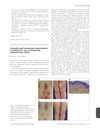
research Successful rapid subcutaneous desensitization to anakinra in a case of delayed‐type hypersensitivity reaction
A woman with a drug allergy to anakinra was successfully desensitized, allowing her to continue treatment without allergic reactions.

research Influence of Application Time and Formulation Reapplication on the Delivery of Minoxidil through Hairless Mouse Skin as Measured in Franz Diffusion Cells
This study found that minoxidil forms a reservoir in the skin, allowing sustained drug delivery even after cleansing, while propylene glycol does not.
research Adjuvant Scalp Rolling for Patients With Refractory Alopecia Areata
This study suggests that scalp rolling could be a promising and affordable adjuvant treatment for alopecia areata, potentially promoting hair regrowth by enhancing the effects of topical medications and inducing collagen.
research Effects of Topical Cyclosporin-A in the Treatment of Alopecia Areata
This study found that topical cyclosporin-A may lead to moderate recovery in patients with severe or refractory alopecia areata, particularly in focal type cases.
research Male Pattern Alopecia Regrowth Following Topical Fluorouracil Therapy
This case report describes a 45-year-old man with male pattern baldness who began regrowing hair after receiving fluorouracil treatment for scalp actinic keratosis.
research Topical Tacrolimus, Clobetasol, and Minoxidil (TCM) for Primary Cicatricial Alopecias: A Retrospective Analysis of Clinical Outcomes and Safety
This study reported that the combination of tacrolimus, clobetasol, and minoxidil improved hair measurements and stabilized inflammation in primary cicatricial alopecia patients, with most tolerating the treatment well.

research Split-scalp pilot study to evaluate effectiveness of Minoxidil 0,5% MMP® versus Topical Minoxidil 5% in the treatment of Female Pattern Hair Loss
In this self-controlled comparative study of 16 women with Female Pattern Hair Loss, MMP® with Minoxidil showed a better response in the parietal-vertex regions in less advanced cases compared to standard Minoxidil treatment, though overall effectiveness was similar.
research Efficacy of the association of topical minoxidil and topical finasteride compared to their use in monotherapy in men with androgenetic alopecia: A prospective, randomized, controlled, assessor blinded, 3‐arm, pilot trial
In this study, a combination of 5% minoxidil lotion and 0.25% topical finasteride spray significantly increased hair density and improved photographic assessments in men with androgenetic alopecia compared to the treatments used alone, with all methods showing good tolerability.

research Hair Loss Treatment Using Erbium:YAG Fractional Laser with Hair Growth-promoting Solution
Laser treatment followed by a special hair growth solution increased hair count and thickness without side effects.

research Rare Presentation of Concomitant Alopecia Areata and Vitiligo in a Teenager
This case study reports a rare co-occurrence of alopecia areata and vitiligo in a 13-year-old female, suggesting a potential pathogenic link between the two autoimmune skin diseases.