 4 citations
,
June 2013 in “Aesthetic Plastic Surgery”
4 citations
,
June 2013 in “Aesthetic Plastic Surgery” This study found that minoxidil pretreatment in rat skin flaps enhanced angiogenesis and increased flap survival compared to untreated flaps, but was less effective at reducing necrosis than surgical delay.
 1 citations
,
May 2007 in “International Journal of Dermatology”
1 citations
,
May 2007 in “International Journal of Dermatology” Minoxidil, when applied to the scalp, can stimulate hair growth but effects vary, stop if treatment ends, and it may cause side effects like fluid retention.
 12 citations
,
January 2014 in “The Pan African medical journal”
12 citations
,
January 2014 in “The Pan African medical journal” In this case report, a 5-year-old girl experienced extensive hypertrichosis after using topical minoxidil lotion unsupervised, which regressed after discontinuation, highlighting the need for medical oversight.
 October 2015 in “Elsevier eBooks”
 Minoxidil is effective for hair growth and safe for long-term use.
 8 citations
,
March 2020 in “Aesthetic Plastic Surgery”
8 citations
,
March 2020 in “Aesthetic Plastic Surgery” Finasteride and minoxidil together safely and effectively increase hair growth and density for androgenetic alopecia.
 13 citations
,
September 2005 in “Eclética Química”
13 citations
,
September 2005 in “Eclética Química” This study found that a photometric flow titration using KMnO4 and minoxidil provided results comparable to a chromatographic procedure, with recoveries between 97.6% and 102.8% and relative errors of 3.5% to 4.0%.
 397 citations
,
February 2004 in “British Journal of Dermatology”
397 citations
,
February 2004 in “British Journal of Dermatology” This article reviews the mechanisms by which minoxidil stimulates hair growth and reports no new clinical findings.
 179 citations
,
October 2018 in “American Journal of Clinical Dermatology”
179 citations
,
October 2018 in “American Journal of Clinical Dermatology” This review outlines various dermatologic adverse events associated with targeted therapies and immunotherapies, emphasizing the need for collaboration between dermatologists and oncologists to manage these effects effectively; it reports no new clinical findings.
 20 citations
,
March 2019 in “Journal of The European Academy of Dermatology and Venereology”
20 citations
,
March 2019 in “Journal of The European Academy of Dermatology and Venereology” In this study, 5% minoxidil significantly improved outcomes for children and adults with patchy alopecia areata compared to placebo, with moderate quality evidence and no severe adverse events reported, though more research is needed to address remaining uncertainties.
 12 citations
,
July 2020 in “Dermatologic Therapy”
12 citations
,
July 2020 in “Dermatologic Therapy” This review discusses the use of topical and oral minoxidil for pediatric hair disorders, pointing out the lack of guidelines and the potential risks associated with systemic absorption, but reports no clinical results.
 8 citations
,
January 2016 in “European Journal of Plastic Surgery”
8 citations
,
January 2016 in “European Journal of Plastic Surgery” This study found that plasma rich in growth factors was a safe and more effective treatment for androgenetic alopecia than topical minoxidil, showing greater improvements in hair growth phases.
 5 citations
,
March 2020 in “Journal of Cosmetic Dermatology”
5 citations
,
March 2020 in “Journal of Cosmetic Dermatology” This study found that using a high concentration of minoxidil with microneedling and carboxytherapy significantly increased hair growth in 9 adults with androgenetic alopecia, as measured by hair density and diameter improvements.
 4 citations
,
January 2022 in “Skin appendage disorders”
4 citations
,
January 2022 in “Skin appendage disorders” In this case report, a 64-year-old patient with chemotherapy-induced alopecia was treated with oral minoxidil and experienced good results, suggesting a potential new therapy for this challenging condition.
 4 citations
,
January 2009 in “Eclética Química”
4 citations
,
January 2009 in “Eclética Química” This study described a potentiometric titration method for determining minoxidil, which showed recoveries of 97.4 to 98.7% and agreed with chromatographic results within a 90% confidence level.
In this study, low-dose oral minoxidil was found to have a favorable safety profile for treating alopecia, with mostly mild side effects, in both general and hypertensive populations.
 80 citations
,
September 1984 in “Journal of The American Academy of Dermatology”
80 citations
,
September 1984 in “Journal of The American Academy of Dermatology” In this study, 5% topical minoxidil was observed to promote hair regrowth in some patients with androgenic alopecia, while no regrowth was noted in patients with alopecia areata.
 37 citations
,
October 2009 in “Dermatology”
37 citations
,
October 2009 in “Dermatology” This study suggests that the action of minoxidil in stimulating hair growth likely occurs at the follicular dermal papilla, though it does not induce new follicle formation.
 33 citations
,
July 1992 in “Journal of Investigative Dermatology”
33 citations
,
July 1992 in “Journal of Investigative Dermatology” Minoxidil doesn't affect perifollicular lymphoid infiltration in alopecia areata patients.
 29 citations
,
July 2009 in “Journal of Dermatology”
29 citations
,
July 2009 in “Journal of Dermatology” This study confirmed that 5% topical minoxidil is more effective than 1% in increasing hair density in Japanese men with androgenetic alopecia, with no significant difference in adverse event rates.
 23 citations
,
January 2011 in “International Journal of Immunopathology and Pharmacology”
23 citations
,
January 2011 in “International Journal of Immunopathology and Pharmacology” In this small study, topical minoxidil 2% was associated with an increase in normal hair shaft production in patients with Monilethrix without any reported side effects.
 23 citations
,
December 1995 in “Archives of Dermatology”
23 citations
,
December 1995 in “Archives of Dermatology” This case report discusses a 32-year-old man's treatment for advanced androgenetic alopecia using a combination of topical minoxidil and oral finasteride, but no clinical outcomes are detailed.
 11 citations
,
July 1988 in “International Journal of Dermatology”
11 citations
,
July 1988 in “International Journal of Dermatology” In this study, topically applied 2% minoxidil solution was found to be more effective than placebo for promoting hair regrowth in men with early male pattern baldness over 24 weeks.
 9 citations
,
April 2018 in “JAMA Dermatology”
9 citations
,
April 2018 in “JAMA Dermatology” This abstract provided no research findings as it contains only website navigation and service information.
 8 citations
,
June 2019 in “Journal of Cosmetic Dermatology”
8 citations
,
June 2019 in “Journal of Cosmetic Dermatology” This study observed that combining nonablative fractional laser treatment with topical minoxidil led to hair regrowth in Chinese alopecia areata patients, noting complete regrowth in some patients and no relapse in the majority at a one-year follow-up, without reported side effects.
 5 citations
,
January 2020 in “Skin Research and Technology”
5 citations
,
January 2020 in “Skin Research and Technology” This study reported that combined oral finasteride and topical 5% minoxidil treatment in men with male-pattern hair loss improved hair growth by initiating anagen in pre-existing but deficient follicles, yet the growth rates remained unchanged and did not normalize hair productivity.
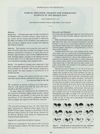 5 citations
,
October 1993 in “International Journal of Dermatology”
5 citations
,
October 1993 in “International Journal of Dermatology” This study found that 2% minoxidil led to moderate to dense hair growth in 80% of Middle-Eastern men treated for 48 weeks with early androgenic alopecia.
 4 citations
,
January 2016 in “Acta dermatovenerologica Alpina, Pannonica et Adriatica (Tiskana izd.)”
4 citations
,
January 2016 in “Acta dermatovenerologica Alpina, Pannonica et Adriatica (Tiskana izd.)” This study evaluated the efficacy and safety of a 5% minoxidil topical foam without propylene glycol in men with androgenic alopecia.
 3 citations
,
June 1997 in “Veterinary Dermatology”
3 citations
,
June 1997 in “Veterinary Dermatology” In this study, daily topical minoxidil treatment in neonatal hairless pups led to increased hair growth and the development of hair follicles in the treated areas.
 3 citations
,
February 2016 in “Dermatologic Therapy”
3 citations
,
February 2016 in “Dermatologic Therapy” Using minoxidil and tretinoin on the skin, along with oral vitamin D, improved hair thickness and density in two girls with woolly hair.
 November 2025 in “Discover Pharmaceutical Sciences”
 In this study, a nanoemulsion containing lavender, peppermint, and rosemary essential oils was developed and shown to promote hair growth in mice at a rate comparable to 2% topical minoxidil, suggesting a promising natural alternative due to its antioxidant and anti-inflammatory effects.