 January 2011 in “Journal of The American Academy of Dermatology”
 A man developed a painful skin condition after multiple heart procedures involving radiation.
 61 citations
,
April 2014 in “Radiation Research”
61 citations
,
April 2014 in “Radiation Research” This study observed that topically applied RTA 408 reduced the severity of radiation-induced dermatitis in mice, with the highest dose significantly reducing and alleviating skin damage and associated inflammation.
This study demonstrates that the trichohyalin gene is located at chromosomal region 1q21, where several other genes related to epidermal differentiation also map.
 April 2019 in “Journal of Investigative Dermatology”
 This study in mice found that fractional photothermolysis can improve dermal scar formation by promoting slow, organized collagen regeneration with minimal myofibroblast activation.
6 citations
,
December 2018 in “International Journal of Cosmetic Science” This study found that a highly resistant structure, located at the interface between the cuticle and cortex of human hair, acts as a penetration barrier, which the authors propose to name the "cuticle anchored resistant base" or CARB.
5 citations
,
December 2018 in “Annals of plastic surgery” In this report, seven burn patients developed hypertrichosis after undergoing pressure garment/silicone therapy intended to prevent hypertrophic scarring.
5 citations
,
May 2025 in “Nature Communications” This study found that in mice, high-fat diets quickly reduce the skin's ability to transfer heat, while diets preventing obesity increase skin energy loss, suggesting the skin plays an active role in energy metabolism and lipid regulation.
 July 2026 in “Lasers in Medical Science”
 In this study, the Peninsula Timerevert Needle was found to provide effective treatment for skin photoaging and acne scars with less pain and shorter treatment duration compared to EndyMed, although it caused more bleeding.
In a controlled study, researchers observed that lambs exposed to colder temperatures had increased wool growth, thicker skin, altered physiological traits, and activated specific molecular pathways, highlighting potential targets for enhancing cold tolerance, welfare, and productivity in sheep breeds.
1 citations
,
June 2011 in “Journal of Dermatological Case Reports” This case report describes a 38-year-old patient with trichomycosis axillaris, successfully treated with shaving, 3% erythromycin cream, and clotrimazole powder.
July 2025 in “Journal of Investigative Dermatology” Androgens reduce THY1 in skin cells, leading to less fat, more fibrosis, and worse healing in males.
1 citations
,
January 2023 in “Chemical Engineering Journal” 1 citations
,
January 2023 in “Dermatologic Therapy” This study reported that a single treatment using macrofocused ultrasound energy with a 2 mm transducer significantly reduced pore count, pore volume, and pore index in 34 Thai subjects with enlarged facial pores over a 6-month period, with no adverse events observed.
43 citations
,
April 1996 in “Journal of Investigative Dermatology” 5 citations
,
August 2021 in “Experimental dermatology” This study suggests that Merkel cell polyomavirus T antigen-positive cells resembling Merkel cell carcinoma may originate from epithelial cells in human hair follicles, potentially informing future transgenic mouse models for this cancer.
19 citations
,
July 1997 in “British Journal of Dermatology” This study successfully developed and characterized a monospecific monoclonal antibody, LHTric-1, that specifically localizes to the pre-cortical region of the hair follicle and can aid research on hair and nail formation.
32 citations
,
December 2019 in “The Journal of clinical investigation/The journal of clinical investigation” This study found that EGFR and MEK inhibitors may induce acneiform skin toxicities by interacting with the skin bacterium Cutibacterium acnes to increase IL-36γ and IL-8 production in keratinocytes.
67 citations
,
September 2017 in “Cell Reports” Caloric restriction improves skin and fur structure but can cause muscle loss and movement issues.
32 citations
,
January 2020 in “Journal of Molecular Histology” This research identified K31 as a new marker for distinguishing clear secretory cells in human eccrine sweat glands, aiding in differentiating between distinct cell types within these glands.
22 citations
,
August 2021 in “Frontiers in medicine” This study found that monocytes/macrophages with a pro-inflammatory M1-like phenotype may play a crucial role in the pathogenesis of hidradenitis suppurativa, suggesting potential therapeutic targets.
 56 citations
,
November 1993 in “Journal of The American Academy of Dermatology”
56 citations
,
November 1993 in “Journal of The American Academy of Dermatology” Capsaicin cream quickly relieved itching in two patients with brachioradial pruritus.
December 2025 in “Biopolymers” This study found that chemically treated hair, particularly when subjected to both acid straightening and bleaching, experiences more significant structural damage when exposed to heat, highlighting key changes in both the internal and surface components of hair fibers.
12 citations
,
June 2011 in “Journal of Dermatological Case Reports” This case report describes successful treatment of trichomycosis axillaris, a bacterial infection of hair shafts, using shaving and topical antibiotics, resulting in complete odor elimination within weeks.
39 citations
,
June 2018 in “Burns” This study found that the spiny mouse can regenerate tissues such as skeletal muscle, dermis, and hair without scarring after full thickness thermal burns, unlike the lab mouse.
 3 citations
,
January 2008 in “Journal of the American Academy of Dermatology”
3 citations
,
January 2008 in “Journal of the American Academy of Dermatology” A patient's skin rash did not affect the area where a previous viral rash was healing, suggesting a rare immune response.
 1 citations
,
October 2025 in “Nano Research”
1 citations
,
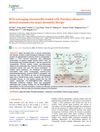
October 2025 in “Nano Research” In this study, researchers developed a dissolvable microneedle patch combining HA-TEMPO and Portulaca oleracea L.-derived nanoparticles, which effectively reduced oxidative stress and inflammation in an atopic dermatitis model while restoring immune balance, suggesting a promising treatment strategy.
81 citations
,
February 2014 in “EMBO molecular medicine” This study found that prolonged Nrf2 activation in mouse keratinocytes led to enlarged sebaceous glands, hair loss, and cysts, suggesting a role for Nrf2 in conditions like MADISH.
1 citations
,
July 2025 in “Methods and Protocols” This study supports the use of the chicken chorioallantoic membrane as an effective pre-clinical model for burn wound research and the screening of new therapeutic agents.
109 citations
,
April 1997 in “Archives of Dermatological Research” The researchers reported that mast cell and nerve fiber interactions in mouse skin are highly selective for nerve fiber types and vary depending on the hair cycle phase.
 1 citations
,
June 2018 in “JAMA Dermatology”
1 citations
,
June 2018 in “JAMA Dermatology” This abstract does not contain specific research findings or results, but instead provides information related to the JAMA Dermatology journal's online platform and services.