September 2020 in “International journal of current pharmaceutical research” This study found that herbal creams containing tea tree oil significantly reduced hair growth in mice with hirsutism, while those containing reishi extract or both were less effective.
660 citations
,
December 2011 in “Cell” This study found that distinct low-threshold mechanoreceptors innervate different hair follicle types in mice, suggesting that these follicles serve as unique mechanosensory structures in touch perception.
2 citations
,
May 2024 in “Technology and Health Care” In this study, a group taking compound ginseng cicada decoction showed significantly lower relapse rates, severity, and itching related to atopic dermatitis over 3 months compared to a control group, and reported improved quality of life with no significant adverse events.
28 citations
,
September 2021 in “EMBO reports” In this study, researchers used cryo-electron microscopy to reveal how the natural compound osthole inhibits TRPV3 channels by binding to specific sites, changing the channel's conformation.
 January 2022 in “Clinical dermatology open access journal”
 This review summarizes research on cannabinoids like CBD and THCV, reporting that they improve hair growth in patients with androgenetic alopecia when applied topically, with CBD showing a dose-dependent effect.
10 citations
,
January 2022 in “Journal of Research in Pharmacy” In this experimental study on Wistar albino rats, Cotinus coggygria leaf extract demonstrated potential as a treatment for burn-induced skin damage by reducing cytokine levels and promoting tissue healing.
 9 citations
,
November 2012 in “Biomolecules & therapeutics”
9 citations
,
November 2012 in “Biomolecules & therapeutics” This study found that diphlorethohydroxycarmalol significantly increased prostaglandin $E_2$ synthesis in HaCaT human keratinocytes by upregulating COX-1 and COX-2 expression, suggesting potential benefits from elevated $PGE_2$ production.
 21 citations
,
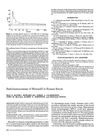
September 1977 in “Journal of Pharmaceutical Sciences”
21 citations
,
September 1977 in “Journal of Pharmaceutical Sciences” This study developed a specific radioimmunoassay to measure minoxidil levels in human serum directly from a single oral dose.
42 citations
,
June 2019 in “Aging” This study found that treatment with the polyphenolic compound TCQA activated β-catenin, promoting hair regrowth and the initiation of the anagen phase in mice and human dermal papilla cells.
2 citations
,
October 2018 in “Journal of Mind and Medical Sciences” This study developed a straightforward HPTLC method for detecting nicotine and cotinine in human plasma and urine, concluding that liquid-liquid extraction with methanol: chloroform: ammonia achieved optimal separation and is applicable for forensic analysis of lethal nicotine intoxication.
November 1968 in “Journal of the American Pharmaceutical Association”  14 citations
,
January 2017 in “Elsevier eBooks”
14 citations
,
January 2017 in “Elsevier eBooks” This review explores cannabigerol (CBG) as a potential therapeutic agent with various pharmacological activities but reports no new clinical results, emphasizing the need for further research on its efficacy and safety.
 16 citations
,
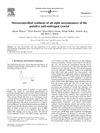
August 2004 in “Tetrahedron”
16 citations
,
August 2004 in “Tetrahedron” In this study, all stereoisomers of cyoctol were synthesized and tested, revealing that contrary to initial patent claims, cyoctol does not function as an anti-androgen.
 3 citations
,
August 2017 in “Synlett”
3 citations
,
August 2017 in “Synlett” This study reports a novel method for synthesizing substituted hydantoins, including the anticonvulsant drug ethotoin, using safer reagents and fewer steps compared to conventional protocols.
21 citations
,
September 2013 in “Current medicinal chemistry” This study found that co-drugs synthesized from hydroquinone and tranexamic acid improved skin targeting and deposition, with reduced irritation and enhanced efficacy for treating hyperpigmentation.
 1 citations
,
April 2015 in “Cytokine”
1 citations
,
April 2015 in “Cytokine” This study found that finasteride may improve pulmonary and hepatic immune responses in mice when administered after major trauma and hemorrhage.
 January 2006 in “Advances in developmental biology”
 This review discusses the roles of the hairless (HR) protein as a corepressor, particularly its impact on RORα-mediated transcriptional repression, and reports no new experimental findings.
March 2026 in “Drug Testing and Analysis” This study observed that the degradation product PTeCA significantly increased in hair treated with oxidative cosmetics, suggesting it could be a reliable marker for detecting such treatments, with a proposed PTCA cut-off value using PTeCA as the gold standard.
 May 2024 in “Journal of molecular structure”
 This study found that a novel thiohydantoin derivative, 3a, effectively inhibited androgen receptor activity in LNCaP cells and showed promising in vivo results by reducing testosterone-induced prostate changes, outperforming finasteride in mitigating prostate index and histopathological alterations.
![Verification of the Major Metabolic Oxidation Path for the Naphthoyl Group in Chemoattractant Receptor-Homologous Molecule Expressed on Th2 Cells (CRTh2) Antagonist 2-(2-(1-Naphthoyl)-8-fluoro-3,4-dihydro-1H-pyrido[4,3-b]indol-5(2H)-yl)acetic Acid (Setipiprant/ACT-129968)](/images/assets/d743d32f-3115-48ff-9697-2f2d56130701/small/14175.jpg) 6 citations
,
September 2015 in “Journal of Medicinal Chemistry”
6 citations
,
September 2015 in “Journal of Medicinal Chemistry” This study synthesized and verified the structures of Setipiprant's major and minor metabolites, confirming their regio- and enantioselectivity from earlier proposals in a clinical study.
 95 citations
,
December 1980 in “The New England Journal of Medicine”
95 citations
,
December 1980 in “The New England Journal of Medicine” Minoxidil helped bald patient regrow hair.
 75 citations
,
August 2018 in “Biochemical pharmacology”
75 citations
,
August 2018 in “Biochemical pharmacology” This review discusses the potential of targeting the endocannabinoid system for treating skin disorders and reports no new clinical results, highlighting the need for further research.
 September 2025 in “Cureus”
 In this case report, a male patient with hair loss showed unusually high testosterone levels without other symptoms or supplement use; follow-up testing revealed normal levels, showcasing the importance of considering testosterone-protein binding differences and using equilibrium dialysis for accurate assessment.
 February 2024 in “Digital Library of Theses and Dissertations (Universidade de São Paulo)”
 This study demonstrated that using a mass spectrometry imaging technique, researchers were able to visualize the incorporation of argan, avocado, and coconut oils into hair fibers, suggesting their potential in cosmetic and alopecia treatments by confirming oil absorption and fiber modification.
10 citations
,
January 2012 in “International Journal of Cosmetic Science” This study found that thioglycolic acid molecules in hair treatments are primarily located in intrafibrillar unordered areas, where they redistribute disulfide bonds.
 128 citations
,
January 1996 in “Journal of analytical toxicology.”
128 citations
,
January 1996 in “Journal of analytical toxicology.” This study suggests that while hair analysis using GC-MS is a sensitive method for detecting cocaine ingestion, it may not reliably indicate the amount, timing, or duration of drug use due to interindividual variability and multiple incorporation mechanisms.
 13 citations
,
March 2020 in “Frontiers in cell and developmental biology”
13 citations
,
March 2020 in “Frontiers in cell and developmental biology” This study suggests that 3,4,5-tri-O-caffeoylquinic acid activates β-catenin to enhance pigmentation in mouse hair follicles, human melanocytes, and melanoma cells during the hair cycle's growth phase.
June 2021 in “SWU eJournals System (Srinakharinwirot University)” The study found that cyproterone acetate could be released over 15 days using coconut oil mixed with certain wax inhibitors, though further safety studies are needed.
 59 citations
,
June 2023 in “Nature Aging”
59 citations
,
June 2023 in “Nature Aging” This study observed that in aged mouse skin, there was an increase in IL-17-expressing T helper cells, γδ T cells, and innate lymphoid cells, and blocking IL-17 signaling reduced skin inflammation and delayed age-related changes, suggesting it as a potential target to mitigate skin aging.
 June 2019 in “Stem Cell Research”
 This study established a pluripotent stem cell line from a patient with androgenetic alopecia, which can potentially be used to study the disease's pathological mechanisms.