This research highlighted varying findings on the use of daily emollients for preventing atopic dermatitis in infants, with one study noting a reduction in incidence, while another found no preventive effect.
 30 citations
,
May 2016 in “Expert Opinion on Biological Therapy”
30 citations
,
May 2016 in “Expert Opinion on Biological Therapy” This review discusses immune pathways involved in alopecia areata and explores emerging, more targeted therapeutic strategies, noting their potential for better safety and effectiveness compared to traditional immune suppressants.
5 citations
,
April 2019 in “Journal of Investigative Dermatology” This study found that oral JAK3 and TYK2/JAK1 inhibitors improved clinical outcomes in alopecia areata patients by reducing immune responses and enhancing hair keratin expression, with stronger effects in those with shorter disease duration.
69 citations
,
February 2008 in “The American journal of pathology” This study found that local injections of interleukin-4 and neutralizing anti-interferon-γ antibody effectively treated alopecia in a mouse model, suggesting potential therapeutic pathways for human alopecia areata.
 176 citations
,
August 2015 in “The journal of allergy and clinical immunology/Journal of allergy and clinical immunology/The journal of allergy and clinical immunology”
176 citations
,
August 2015 in “The journal of allergy and clinical immunology/Journal of allergy and clinical immunology/The journal of allergy and clinical immunology” This study identified a distinct cytokine activation signature in alopecia areata, involving TH2, TH1, IL-23, and IL-9/TH9 pathways, suggesting potential targeting strategies similar to those in psoriasis and atopic dermatitis.
 9 citations
,
August 2021 in “Biological Chemistry”
9 citations
,
August 2021 in “Biological Chemistry” This review examines current and potential approaches to managing chronic wound inflammation through macrophage-targeted strategies using ECM-inspired wound dressings, but it reports no new clinical results.
 April 2018 in “Journal of Investigative Dermatology”
 This study found that the absence of Hes1 in hair follicles delays secondary hair germ activation and shortens the anagen phase, impacting HFSC self-renewal and long-term hair regeneration.
2 citations
,
August 2023 in “Molecules” This study found that a quinazoline derivative, SH-340, increased skin barrier-associated factors and inhibited TSLP expression and STAT6 phosphorylation in human primary keratinocytes, suggesting potential benefits for alleviating inflammation and improving skin barrier function in atopic dermatitis.
 520 citations
,
January 2017 in “AIMS biophysics”
520 citations
,
January 2017 in “AIMS biophysics” This review discusses the effects of photobiomodulation, particularly its potential to reduce inflammation in various conditions, but it does not report new clinical findings.
 125 citations
,
August 2020 in “Frontiers in Immunology”
125 citations
,
August 2020 in “Frontiers in Immunology” This review discusses sex-based differences in immune responses, focusing on genetic, hormonal, and microbiome factors influencing infections like COVID-19, and reports no clinical results.
 2 citations
,
April 2018 in “Journal of Investigative Dermatology”
2 citations
,
April 2018 in “Journal of Investigative Dermatology” This study suggests that frontal fibrosing alopecia is a highly inflammatory disease involving TH1 and JAK-STAT pathways, without reduced hair keratins, highlighting JAK-STAT signaling as a potential therapeutic target.
 2 citations
,
January 2015 in “Springer eBooks”
2 citations
,
January 2015 in “Springer eBooks” Early diagnosis and aggressive treatment are crucial for Cicatricial Alopecia, and treatment effectiveness varies among patients.
 December 2022 in “Medical lasers”
 This study reviews the mechanism and potential treatment roles of low-level laser therapy for immune-mediated skin diseases, reporting no new clinical results.
 January 2020 in “Der Pharmacia Lettre”
 This review discusses natural remedies and nanoparticle formulations for alopecia management and reports no new clinical results, emphasizing potential benefits of herbal treatments over synthetic therapies.
 12 citations
,
March 2016 in “BBA clinical”
12 citations
,
March 2016 in “BBA clinical” This study found that intracellular Toll-like receptors were significantly up-regulated in peripheral blood mononuclear cells of alopecia areata patients, suggesting a potential role in inflammatory signaling and pathogenesis.
 2 citations
,
December 2007 in “Expert Review of Dermatology”
2 citations
,
December 2007 in “Expert Review of Dermatology” This article reviews current understanding of the causes and treatments of three common hair growth disorders in children but reports no new results.
58 citations
,
July 2018 in “Journal of Allergy and Clinical Immunology” Alopecia areata severity is linked to increased TH1 and TH2 activity.
 9 citations
,
December 2017 in “The Journal of Allergy and Clinical Immunology”
9 citations
,
December 2017 in “The Journal of Allergy and Clinical Immunology” This review discusses the evolution of alopecia areata treatments towards more targeted therapies and reports no new clinical results, emphasizing cooperation between clinicians and scientists in understanding the disease's pathophysiology.
 January 2024 in “Frontiers in endocrinology”
 This study found that genetic variants linked to hypothyroidism significantly increased the risk of developing alopecia areata, suggesting a causative connection between the two conditions.
 156 citations
,
August 2016 in “Journal of controlled release”
156 citations
,
August 2016 in “Journal of controlled release” This review summarizes current knowledge on tight junctions in mammalian skin and their role in drug delivery and interaction with other barrier components, but reports no new experimental results.
 4 citations
,
July 2014 in “Journal of Investigative Dermatology”
4 citations
,
July 2014 in “Journal of Investigative Dermatology” This study suggests that age-related regenerative decline in hair follicles may be due to an imbalance of signals affecting stem cell activation, with follistatin potentially promoting renewal.
 1 citations
,
October 2025 in “Nano Research”
1 citations
,
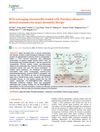
October 2025 in “Nano Research” In this study, researchers developed a dissolvable microneedle patch combining HA-TEMPO and Portulaca oleracea L.-derived nanoparticles, which effectively reduced oxidative stress and inflammation in an atopic dermatitis model while restoring immune balance, suggesting a promising treatment strategy.
February 2026 in “International Journal of Clinical Dermatology” This review found that microbiota-targeted interventions, particularly certain strains of probiotics, are associated with improvements in skin conditions, most notably in pediatric atopic dermatitis, but their efficacy varies across other dermatological diseases.
 November 2025 in “Frontiers in Immunology”
 This review discusses the role of immune cells in the pathogenesis of alopecia areata and highlights emerging immunomodulatory strategies and novel therapeutic targets aimed at offering more effective and durable treatments for this autoimmune hair loss disorder.
 October 2022 in “The Egyptian Journal of Hospital Medicine”
 This review examines current treatments for alopecia areata, noting that topical corticosteroids are commonly used first in children, while more advanced cases may require systemic therapies to modulate the immune system; it reports no new clinical results.
July 2024 in “Journal of Investigative Dermatology” 15 citations
,
February 2021 in “Frontiers in immunology” This review discusses leptin's regulatory roles in the progression of various dermatological diseases and reports no new clinical results, highlighting a complex relationship still under investigation.
 August 2025 in “Frontiers in Pharmacology”
 In this study, PA-011, a traditional Chinese medicine extract, was shown to improve hair growth in alopecia areata model mice by reducing skin inflammation and altering skin microbiota, indicating its potential therapeutic role for this condition.
September 2025 in “Frontiers in Immunology” This review examines the interconnected processes of atopic dermatitis and alopecia areata, highlighting shared immune imbalances, genetic factors, and microbiome influences, while analyzing current and emerging treatments and identifying gaps in understanding these overlapping conditions.
8 citations
,
October 2021 in “Stem Cell Research & Therapy” This review examines the potential of mesenchymal stem/stromal cells in treating and possibly preventing allergic diseases, and reports no new clinical results.