 August 2025 in “International Journal of Molecular Sciences”
 This study found that sulforaphane-rich broccoli sprout extract significantly accelerated hair regrowth in a mouse model of androgenetic alopecia, suggesting its potential as a safe and effective natural therapy.
 July 2025 in “Dermatologica Sinica”
 In this study, compound glycyrrhizin promoted hair regrowth in a testosterone-induced alopecia mouse model and increased human hair dermal papilla cell proliferation, likely through activating the Wnt/β-catenin pathway.
December 2024 in “International Journal of Molecular Sciences” This study observed that CXCL12 is highly co-expressed with androgen receptors in human hair follicle cells, and its inhibition via antibodies increased hair length, suggesting a potential treatment strategy for androgenic alopecia.
December 2024 in “Biochemical and Biophysical Research Communications” LMWP-PDGFA shows promise for improving hair health and treating hair loss with fewer side effects.
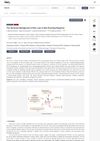 February 2024 in “Biomedicines”
 This review examines the hormonal causes of hair loss, noting how androgen excess can lead to follicle miniaturization and linking estrogen deficiency and thyroid dysfunction to common alopecia types. It further discusses hormonal treatments such as finasteride, dutasteride, and spironolactone.
 February 2024 in “Brain research bulletin”
 This study observed that inhibiting androgenic activity during early postnatal development significantly decreased body weight in female rats by day 90, while affecting food intake and fat distribution in both sexes based on the inhibited testosterone metabolic pathway.
 June 2023 in “Food frontiers”
 In this animal study, researchers observed that ginsenoside CK significantly reduced hair loss, improved sexual organ health, and encouraged hair growth in mice with androgenetic alopecia by modulating key signaling pathways and normalizing hormone metabolism, highlighting its potential as a therapeutic agent.
 January 2022 in “Food Science and Technology”
 This study suggests that a mixture of Chrysanthemum zawadskii, peppermint, and Glycyrrhiza glabra promotes hair growth and reduces hair loss markers in testosterone-treated cells and mice.
 October 2020 in “Authorea (Authorea)”
 This review discusses the influence of androgens on opioid-mediated effects and calls for further research into their role in sex differences and potential therapeutic options for chronic pain and substance use disorders.
 October 2020 in “Проблемы эндокринологии”
 This review discusses the potential roles of androgens and antiandrogens in COVID-19 outcomes, noting unresolved questions about their effectiveness and safety for treatment.
 July 2026 in “International Journal of Molecular Sciences”
 This study found that TSG-enriched Polygonum multiflorum extract, optimized through microwave-assisted and chromatographic methods, promotes hair regrowth in a mouse model of androgenetic alopecia via 5α-reductase inhibition and Wnt/β-catenin pathway activation, suggesting its potential as a natural treatment.
 3 citations
,
September 2021 in “International Journal of Molecular Sciences”
3 citations
,
September 2021 in “International Journal of Molecular Sciences” This study suggests that women with polycystic ovary syndrome may have an increased risk of COVID-19-related cardiac and renal complications, and that weight loss through lifestyle changes could help reduce these risks.
1 citations
,
January 2007 in “Humana Press eBooks” This review discusses the causes and treatments of hirsutism in women and reports no clinical results; it emphasizes the importance of identifying androgen-secreting tumors that require distinct therapy.
 November 2022 in “The Journal of Clinical Endocrinology and Metabolism”
 This review discusses the causes and recommended clinical investigations for postmenopausal hyperandrogenism, highlighting the role of androgen excess in symptoms like hirsutism and its association with metabolic disorders.
 July 2023 in “Journal of Clinical Medicine”
 In this study, researchers investigated factors predicting resistance to clomiphene citrate in women with anovulatory PCOS, identifying AMH and SHBG levels as significant indicators, but they found no reliable thresholds for predicting resistance to the standard 50 mg/day dose.
 October 2017 in “Journal of Investigative Dermatology Symposium Proceedings”
 This study suggests that PGD2 may increase testosterone production in keratinocytes through oxidative stress pathways, with n-acetyl-cysteine blocking this effect.
 1 citations
,
June 2025 in “Scientific Reports”
1 citations
,
June 2025 in “Scientific Reports” In this study on testosterone-induced benign prostatic hyperplasia in rats, hydroxychloroquine significantly reduced prostate-related markers and enhanced therapeutic effects when combined with finasteride, suggesting potential as a new treatment approach.
 44 citations
,
January 2006 in “Biological & Pharmaceutical Bulletin”
44 citations
,
January 2006 in “Biological & Pharmaceutical Bulletin” This research suggests that testosterone-induced expression of TGF-beta1 and type I procollagen may lead to perifollicular fibrosis in androgenetic alopecia, with finasteride inhibiting this process as a possible mechanism for its effects.
 24 citations
,
March 2002 in “Expert opinion on investigational drugs”
24 citations
,
March 2002 in “Expert opinion on investigational drugs” This review discusses various anti-androgen treatments for hirsutism, including androgen receptor blockers and inhibitors, and emphasizes the role of diagnosis in selecting the most appropriate therapy, but reports no new clinical results.
 19 citations
,
April 2020 in “Dermatologic Therapy”
19 citations
,
April 2020 in “Dermatologic Therapy” This review found that dutasteride is more potent than finasteride as a dual receptor dihydrotestosterone blocker for treating androgenetic alopecia and shares a similar safety profile in terms of fertility, teratogenicity, neurotoxicity, and hepatotoxicity.
 15 citations
,
January 2016 in “Biological & Pharmaceutical Bulletin”
15 citations
,
January 2016 in “Biological & Pharmaceutical Bulletin” This study found that bee venom promoted hair growth in mice and inhibited a key enzyme involved in testosterone conversion, suggesting its potential as a 5α-reductase inhibitor and hair growth promoter.
 10 citations
,
February 2020 in “Endocrine”
10 citations
,
February 2020 in “Endocrine” This study found that finasteride treatment in males with androgenetic alopecia was linked to significant changes in sperm parameters and increased testosterone levels, but no sexual dysfunction was observed, and sperm parameters returned to baseline after treatment stopped.
 7 citations
,
October 2017 in “Behavioural Pharmacology”
7 citations
,
October 2017 in “Behavioural Pharmacology” This study found that the antidepressant-like effect of fluoxetine in mice was only observed when a 5-minute pretest session was conducted, and this effect was blocked by the TSPO antagonist PK11195.
 May 2024 in “Journal of molecular structure”
 This study found that a novel thiohydantoin derivative, 3a, effectively inhibited androgen receptor activity in LNCaP cells and showed promising in vivo results by reducing testosterone-induced prostate changes, outperforming finasteride in mitigating prostate index and histopathological alterations.
 23 citations
,
July 1993 in “Pharmacotherapy”
23 citations
,
July 1993 in “Pharmacotherapy” Finasteride treats enlarged prostate and baldness, but may cause limited urinary improvement and sex-related side effects.
 11 citations
,
January 1995 in “Biomedicine & pharmacotherapy”
11 citations
,
January 1995 in “Biomedicine & pharmacotherapy” This review discusses the use of finasteride and alpha antagonists for symptomatic benign prostatic hypertrophy and suggests current studies are evaluating combination therapies as potential non-surgical alternatives.
 5 citations
,
September 2017 in “Plastic and Aesthetic Research”
5 citations
,
September 2017 in “Plastic and Aesthetic Research” This study aimed to assess whether using minoxidil alongside nutritional cyclical supplements could boost hair regrowth without antiandrogens or enzyme blockers, focusing on hair root strengthening. Results are not reported.
 2 citations
,
June 2022 in “Molecules”
2 citations
,
June 2022 in “Molecules” This study demonstrated that an ethanol extract of Connarus semidecandrus Jack showed potential anti-androgenic alopecia effects in a testosterone-induced model, suggesting a possible treatment option for hair loss.
 January 2010 in “Yearbook of Endocrinology”
 Two new compounds can block androgen receptor activity in different ways and may lead to new treatments for androgen-related diseases.

This chapter reviews pharmacodynamic evaluations in endocrine disorders focusing on oral antidiabetics, insulin analogues, and hormone interactions, but reports no new results.