 July 2026 in “Clinical Cosmetic and Investigational Dermatology”
 In this study, a liposomal-encapsulated Sesbania grandiflora formulation significantly improved hair and scalp health in adults with hair loss over 180 days, showing enhanced hair density, thickness, growth rate, and tensile strength compared to placebo, with no related adverse events reported.
 October 2025 in “Journal of the Korean Society of Cosmetology”
 This study found that applying a hair mist with dandelion extract before heat perming improved wave efficiency, tensile strength, and hair cuticle condition compared to a base mist or no pretreatment, demonstrating the extract's protective effects against heat damage.
 May 2022 in “Pharmacognosy journal”
 This review examined moringa seed oil's potential to combat alopecia, reporting that its phytosterol and fatty acid compounds may block dihydrotestosterone formation and support healthy hair growth.
7 citations
,
August 2010 in “Medicinal Chemistry Research” This study found that some synthesized 17-oximino-5-androsten-3β-yl esters demonstrated stronger cytotoxicity and antiandrogenic activity against prostate cancer cells than finasteride.
 506 citations
,
March 2005 in “The Journal of Clinical Endocrinology and Metabolism”
506 citations
,
March 2005 in “The Journal of Clinical Endocrinology and Metabolism” This study found that testosterone therapy improved physical performance and strength in older men with low testosterone over 36 months, whether administered alone or with finasteride.
 February 1999 in “Strength and Conditioning Journal”
 Androstenedione, a hormone supplement, doesn't improve muscle or performance and can cause harmful side effects.
42 citations
,
May 2007 in “Endocrinology and metabolism/American journal of physiology: endocrinology and metabolism” In this animal study, administering testosterone alongside a 5α-reductase inhibitor counteracted testosterone's effects on prostate enlargement while preserving its beneficial effects on muscle and bone.
 11 citations
,
September 2012 in “Journal of obstetrics and gynaecology Canada”
11 citations
,
September 2012 in “Journal of obstetrics and gynaecology Canada” This review examines the scientific evidence on the short-term safety of testosterone therapy for treating hypoactive sexual desire disorder in women, without presenting new clinical results.
1 citations
,
December 2011 in “Arzneimittelforschung” This study found that the compound 9,11-dehydrocortexolone 17alpha-butyrate (CB-03-04) showed strong local antiandrogenic activity in animal models, suggesting potential for treating prostate conditions.
 7 citations
,
March 2011 in “Expert Opinion on Drug Safety”
7 citations
,
March 2011 in “Expert Opinion on Drug Safety” This review discusses the efficacy and safety of exemestane as a treatment for estrogen-receptor-positive breast cancer and reports no new clinical results.
1 citations
,
January 2000 in “PubMed” The treatment slightly increased hair growth and was safe for most women.
6 citations
,
August 2020 in “International Research Journal on Advanced Science Hub” In this study, researchers developed a niosomal gel system for transdermal delivery of testosterone, reporting strong penetrative capability, good spreadability, and a promising in vitro drug release profile, suggesting it may be an effective alternative for reducing the side effects of steroid treatments.
16 citations
,
August 2022 in “Drug Testing and Analysis” In this study, transdermal application of anabolic steroids demonstrated rapid and extended detectability in urine, suggesting potential implications for doping control considerations.
 124 citations
,
March 2012 in “JAMA”
124 citations
,
March 2012 in “JAMA” This abstract discusses the unclear role of dihydrotestosterone (DHT) in postembryonic life in marsupials and possibly humans, reporting no new findings.
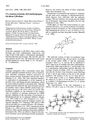 December 1998 in “Acta Crystallographica Section C-crystal Structure Communications”
 This study describes the molecular conformation and intermolecular interactions in the crystalline structure of the compound C24H31BrO4.
164 citations
,
January 2003 in “Drugs”  18 citations
,
January 1990 in “Journal of The American Academy of Dermatology”
18 citations
,
January 1990 in “Journal of The American Academy of Dermatology” This study found that dexamethasone effectively suppressed DHEAS levels in women with elevated levels using much lower doses than previously thought, without significant adverse effects.
September 1978 in “Journal of steroid biochemistry/Journal of Steroid Biochemistry” This review discusses the antimicrobial and protective effects of hesperidin and hesperetin against various toxicities, with potential mechanisms explored, but it reports no new research findings.
 February 2023 in “IntechOpen eBooks”
 This article discusses the various administration methods and considerations for testosterone replacement therapy, highlighting the importance of individualized therapeutic monitoring and potential adverse effects, but reports no new clinical results.
 72 citations
,
October 1998 in “Baillière's clinical endocrinology and metabolism”
72 citations
,
October 1998 in “Baillière's clinical endocrinology and metabolism” This article discusses the potential effects of exogenous testosterone, highlighting that its impact on prostate cancer progression, cardiovascular health, and behavior remains uncertain and needs further investigation.
29 citations
,
May 1975 in “Clinical Endocrinology” In this study, treatments combining betamethasone and anovulatory steroids significantly reduced testosterone production in women with hirsutism, with many reporting improved hirsutism and acne, although clinical benefit did not consistently correlate with testosterone reduction.
1 citations
,
May 2024 in “The Journal of Sexual Medicine” This case report suggests that clomiphene citrate can effectively restore fertility in some men with a long history of anabolic steroid abuse, though individual responses to treatment vary.
 1 citations
,
March 2012 in “Journal of Dermatological Science”
1 citations
,
March 2012 in “Journal of Dermatological Science” This study found that various steroids affected the mRNA expression of enzymes involved in lipid metabolism in hamster flank organs, with different impacts depending on the steroid and combination used.
 July 2023 in “The journal of sexual medicine”
 This study concluded that anabolic-androgenic steroids negatively impact male reproductive health, including reduced testosterone production, impaired sperm production, and increased risk of sexual dysfunction and metabolic issues.
24 citations
,
October 2012 in “The International Journal of Biochemistry & Cell Biology” In this study, testosterone protected female embryonic heart cells from metabolic stress by being converted into metabolites that activate estrogen receptors and up-regulate certain mitochondrial channel proteins.
 1 citations
,
January 2003 in “Expert Opinion on Therapeutic Patents”
1 citations
,
January 2003 in “Expert Opinion on Therapeutic Patents” This review discusses the development and potential therapeutic applications of steroid sulfatase inhibitors for hormone-dependent disorders and cognitive dysfunction, reporting no new clinical results.
53 citations
,
July 2014 in “American Journal of Physiology-Endocrinology and Metabolism” This study found that testosterone-enanthate increased red blood cell production and altered iron homeostasis in older hypogonadal men without being affected by finasteride, indicating these effects do not require type II 5α-reductase enzyme activity.
 16 citations
,
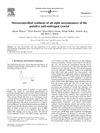
August 2004 in “Tetrahedron”
16 citations
,
August 2004 in “Tetrahedron” In this study, all stereoisomers of cyoctol were synthesized and tested, revealing that contrary to initial patent claims, cyoctol does not function as an anti-androgen.
 February 2018 in “The Journal of Sexual Medicine”
 The researchers reported that using Natesto® testosterone gel improved erectile function and mood in hypogonadal men over a 90-day period.
 2 citations
,
January 2011 in “Andrologia”
2 citations
,
January 2011 in “Andrologia” This study concluded that 16β-methyl-17α-benzoyloxypregnen-4-en-3,20-dione may be a promising treatment for androgen-dependent diseases and epilepsy due to its antioxidant effects and impact on GABAergic and serotonergic metabolism in rats.