
This study found that CPA-loaded nanoparticles, particularly SLN formulations, increased CPA epidermal penetration compared to a conventional cream and may reduce side effects in treating androgen-dependent conditions.
 September 2025 in “The health sciences AUS.”
 This review discusses the efficacy and safety of intralesional triamcinolone acetonide for treating acne keloidalis nuchae, highlighting its significant effectiveness with rare side effects when used properly.
January 2026 in “Vestnik dermatologii i venerologii” In this review, the authors report that tacrolimus ointment shows promise for expanding its use to a variety of skin conditions, beyond its current approval for atopic dermatitis, by analyzing clinical experiences of its application for rosacea, seborrheic dermatitis, psoriasis, and other dermatoses.
April 2026 in “Clinical and Translational Science” In this multi-center, retrospective cohort study, researchers found that tofacitinib significantly reduced SALT scores and improved eyebrow and eyelash regrowth in patients with refractory alopecia areata after 12 weeks, with greater efficacy observed in severe cases and consistent results across pediatric and adult populations.
51 citations
,
July 2003 in “Annals of the Rheumatic Diseases” This case study reports a successful use of co-trimoxazole in treating a 13-year-old girl with symptoms suggestive of autoimmune disorders and relapsing polychondritis.
May 2025 in “International Journal of Trichology” In this case report, a 7-year-old boy with alopecia totalis experienced significant hair regrowth after adding topical tofacitinib and mometasone to his treatment regimen, suggesting potential benefits of topical Janus kinase inhibitors for pediatric patients with this condition.
May 2025 in “Pakistan Armed Forces Medical Journal” This study found that topical Dithranol 0.5% is more effective than topical Tacrolimus 0.1% for hair regrowth in patients with alopecia areata, with 40% of Dithranol-treated patients showing over 80% hair regrowth compared to 23.33% for Tacrolimus-treated patients.
12 citations
,
March 2022 in “Dermatologic Therapy” This report presents a case of a patient developing new multiple sclerosis while using tofacitinib for alopecia areata, noting no new comprehensive research findings.
 November 2023 in “Journal of Cosmetic Dermatology”
 In this study, tofacitinib treatment significantly reduced hair loss on the head and body, as well as nail involvement, in patients with alopecia areata over 18 months, with minimal side effects reported.
March 2022 in “Oncology Times” In this study, tebentafusp-tebn improved overall survival in patients with metastatic uveal melanoma compared to standard therapies, despite higher rates of significant adverse events.
9 citations
,
July 2022 in “Journal of Clinical Oncology” This study found that oral paclitaxel combined with encequidar improved tumor response rates compared to intravenous paclitaxel in women with metastatic breast cancer, while also reducing neuropathy but increasing certain gastrointestinal and neutropenic side effects.
 September 2024 in “Skin Appendage Disorders”
 This case report describes a 21-year-old woman with circumscribed alopecia areata incognita, who experienced a sustained positive response to treatment with oral tofacitinib after conventional treatments frequently failed to provide lasting effects.
 1 citations
,
April 2018 in “The journal of investigative dermatology/Journal of investigative dermatology”
1 citations
,
April 2018 in “The journal of investigative dermatology/Journal of investigative dermatology” This study found that oral tofacitinib improved disease activity in patients with lichen planopilaris, suggesting it may be a promising treatment option for this condition.
 9 citations
,
October 2019 in “Dermatologic Therapy”
9 citations
,
October 2019 in “Dermatologic Therapy” This study observed that oral tofacitinib was reasonably well-tolerated but had limited efficacy in treating alopecia areata, with a clinical response seen in 41.4% of patients over six months.
 238 citations
,
November 2016 in “Journal of The American Academy of Dermatology”
238 citations
,
November 2016 in “Journal of The American Academy of Dermatology” In this study, tofacitinib was reported to improve scalp hair regrowth in patients with severe alopecia areata, alopecia totalis, and alopecia universalis, showing a higher response in alopecia areata.
 2 citations
,
September 2021 in “Curēus”
2 citations
,
September 2021 in “Curēus” In this study, two patients with alopecia universalis continued using tofacitinib during active COVID-19 infection and showed no worsening of their illness, despite potential concerns about immunosuppression.
 1 citations
,
April 2017 in “Journal of Investigative Dermatology”
1 citations
,
April 2017 in “Journal of Investigative Dermatology” This study found that oral tofacitinib led to variable hair regrowth in patients with resistant alopecia areata, implying that longer treatment durations may be needed to fully assess its effectiveness.
 September 2023 in “International Journal of Trichology”
 This case report describes a successful treatment of alopecia universalis in a 37-year-old female using oral tofacitinib, along with other therapies, resulting in significant hair regrowth without notable safety concerns.
 51 citations
,
June 2016 in “Journal of the European Academy of Dermatology and Venereology”
51 citations
,
June 2016 in “Journal of the European Academy of Dermatology and Venereology” In this study, tofacitinib treatment was associated with significant hair regrowth in two patients with alopecia universalis over eight months, with minimal adverse effects reported.
13 citations
,
February 2017 in “Clinical rheumatology” This report suggests that tofacitinib may be beneficial for patients with nail disease unresponsive to other treatments.
 41 citations
,
December 2015 in “JAMA Dermatology”
41 citations
,
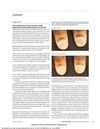
December 2015 in “JAMA Dermatology” Tofacitinib citrate improved nail dystrophy and pain in patients with alopecia universalis without causing side effects.
July 2026 in “Cosmoderma” This study highlights that alopecia areata, an autoimmune condition often starting in childhood, poses a higher risk of becoming chronic with an early onset and can result in poor therapy response.
May 2024 in “Reactions weekly” 2 citations
,
May 2011 in “Journal of Clinical Oncology” This study found that paclitaxel poliglumex showed limited effectiveness and was relatively well tolerated in post-menopausal women with advanced NSCLC, suggesting further testing of this treatment may not be justified.
 August 2018 in “Journal of Investigative Dermatology”
 This study of alopecia areata patients found that a 10 mg twice-daily dose of oral tofacitinib led to significant hair regrowth, suggesting it may be beneficial for treatment.
 December 2025 in “Педиатрическая фармакология”
 In this pediatric retrospective study, tofacitinib (a Janus kinase inhibitor) improved the severity of alopecia and quality of life more effectively than traditional treatment methods, with significant reductions in alopecia severity score and dermatology life quality index over 16 weeks.
1 citations
,
November 2018 in “immuneACCESS” This study found that in alopecia areata, treatment with the oral JAK-inhibitor tofacitinib decreased clonally expanded CD8⁺ T cells in the scalp, but many expanded clones did not completely disappear, potentially leading to relapse after stopping treatment.
This review discusses cyclosporine A's mechanisms of action and side effects compared to tacrolimus in renal transplantation, but it reports no new experimental results; the authors highlight implications for cardiovascular risk management.
 June 2017 in “Journal of the American Academy of Dermatology”
 In this retrospective study, tofacitinib was found to be effective and well-tolerated for treating severe alopecia areata, with 77% of patients achieving a clinical response over 4-20 months, though results were more favorable for patients with less extensive hair loss.
 April 2012 in “Journal of the American Academy of Dermatology”
 In this survey of dermatologists, pimozide was most commonly identified as the preferred first-line antipsychotic for treating delusions of parasitosis, followed by risperidone.