 27 citations
,
September 1992 in “The Lancet”
27 citations
,
September 1992 in “The Lancet” ICL is a condition with low CD4+ T cells like AIDS but not caused by HIV, and normal CD4+ T cell counts may vary between men and women.
 24 citations
,
January 2012 in “Indian Journal of Dermatology, Venereology and Leprology”
24 citations
,
January 2012 in “Indian Journal of Dermatology, Venereology and Leprology” This study suggests that hypersensitivity and increased serum IgE levels might contribute to the pathogenesis of diffuse alopecia areata through intense local inflammatory infiltration.
 7 citations
,
February 2016 in “Dermatology and therapy”
7 citations
,
February 2016 in “Dermatology and therapy” This study found that t-flavanone may promote hair growth in people with androgenic alopecia by enhancing hair anchoring strength and upregulating desmoglein expression in hair follicles over 30 weeks.
 62 citations
,
June 2015 in “The Journal of Dermatology”
62 citations
,
June 2015 in “The Journal of Dermatology” This study found that patients with alopecia areata had higher levels of Th17 cells and lower levels of regulatory T cells compared to healthy controls, suggesting an immune imbalance in these patients.
 14 citations
,
May 2013 in “Experimental Dermatology”
14 citations
,
May 2013 in “Experimental Dermatology” This study found that the modified wash test was generally more effective than TrichoScan® for diagnosing hair loss, particularly telogen effluvium, though both methods showed only fair concordance with clinical diagnosis.
 6 citations
,
April 2017 in “Experimental dermatology”
6 citations
,
April 2017 in “Experimental dermatology” This study found that B6.CD80CD86−/− mice developed autoimmune-like alopecia with nearly 100% incidence by 40 weeks, making them a promising model for studying human alopecia areata.
 53 citations
,
August 2019 in “American journal of human genetics”
53 citations
,
August 2019 in “American journal of human genetics” This study found that FOXN1 haploinsufficiency is a significant genetic factor causing T cell lymphopenia at birth, linked to reduced thymic function in both humans and mice.
 December 2020 in “bioRxiv (Cold Spring Harbor Laboratory)”
 In this study, 25% of CCHCR1-deficient mice exposed to stress developed hair loss similar to human alopecia areata, suggesting CCHCR1 is a susceptibility gene for the disease.
 4 citations
,
July 2008 in “British journal of dermatology/British journal of dermatology, Supplement”
4 citations
,
July 2008 in “British journal of dermatology/British journal of dermatology, Supplement” This study found that alopecia areata patients who responded poorly to topical immunotherapy had impaired peripheral blood mononuclear cell responses to T-cell stimulants.
 506 citations
,
March 2005 in “The Journal of Clinical Endocrinology and Metabolism”
506 citations
,
March 2005 in “The Journal of Clinical Endocrinology and Metabolism” This study found that testosterone therapy improved physical performance and strength in older men with low testosterone over 36 months, whether administered alone or with finasteride.
 116 citations
,
April 2002 in “American journal of veterinary research”
116 citations
,
April 2002 in “American journal of veterinary research” This study found trilostane to be an effective and generally safe treatment for improving symptoms in dogs with pituitary-dependent hyperadrenocorticism.
 38 citations
,
June 2005 in “Contact Dermatitis”
38 citations
,
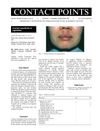
June 2005 in “Contact Dermatitis” This case report describes a patient with an allergic sensitization to minoxidil, indicating that such patients should pursue alternative therapies to treat androgenetic alopecia.
 17 citations
,
January 2019 in “International journal of biological sciences”
17 citations
,
January 2019 in “International journal of biological sciences” This study found that inserting the Tβ4 gene into cashmere goats increased cashmere yield by 74.5% without compromising quality, suggesting potential economic benefits for goat breeding.
 14 citations
,
January 2016 in “Experimental and molecular pathology”
14 citations
,
January 2016 in “Experimental and molecular pathology” This study found that T cell-deficient mice developed distinct papilloma phenotypes after MmuPV1 infection, and hyperimmune sera transfer could prevent this infection.
 4 citations
,
January 2013 in “Dissolution Technologies”
4 citations
,
January 2013 in “Dissolution Technologies” This study optimized and validated a dissolution test method for immediate-release finasteride capsules, highlighting the need for an official standard due to variability in commercial products.
 2 citations
,
September 2023 in “Aging”
2 citations
,
September 2023 in “Aging” In this study, researchers found that Elastic Net DNA methylation clocks are not accurate for distinguishing between individuals or identifying health markers, but measuring biological "noise" in stable cytosines may serve as a potential biomarker of aging and disease.
 2 citations
,
December 2017 in “Journal of The American Academy of Dermatology”
2 citations
,
December 2017 in “Journal of The American Academy of Dermatology” This article highlights the need for dermatologists to define evidence-based standards to provide high-value care and reduce unnecessary testing, as recommended by the American Academy of Dermatology.
 April 2026 in “Ankara Üniversitesi Veteriner Fakültesi Dergisi”
 This study found that Mueller-Hinton Agar performed better than Dermasel Agar for antifungal susceptibility testing of feline dermatophytes, providing reliable susceptibility data for effective antifungal therapy.
 May 2023 in “Jurnal farmasi sains dan praktis”
 In this research on cinnamon and virgin coconut oil hair tonics, F2 and F3 demonstrated stable physical properties and mild irritation potential, while formula 1 remained non-irritating but less stable regarding pH and viscosity.
 June 2017 in “Asian journal of pharmaceutical and clinical research”
 This study found that a green tea extract gel was stable across various temperatures, did not cause eye irritation, and significantly increased eyelash growth compared to a placebo after two months of use in human volunteers.
 343 citations
,
March 2016 in “Nature Communications”
343 citations
,
March 2016 in “Nature Communications” This study found that IL-17A-producing γδ T cells play a key role in bone fracture healing by promoting bone formation, with deficiencies leading to impaired repair in mice.
 155 citations
,
May 2016 in “Nature communications”
155 citations
,
May 2016 in “Nature communications” This study found that mouse skin CD4(+) memory T cells are in equilibrium with the circulation under steady state but increase in specific clusters in response to infection or inflammation.
 30 citations
,
July 2019 in “PloS one”
30 citations
,
July 2019 in “PloS one” This study found that T-regulatory cells, specifically the FOXP3 CD39 subset, were significantly reduced in both circulation and hair follicles of alopecia areata patients compared to healthy subjects, suggesting potential therapeutic targets.
 16 citations
,
October 2014 in “Cell death and disease”
16 citations
,
October 2014 in “Cell death and disease” This study found that over- and ectopic-expression of FoxN1 in early life negatively affected the development of thymic epithelial cells, T and B cells, and skin epithelial cells.
 1 citations
,
September 2025 in “Frontiers in Immunology”
1 citations
,
September 2025 in “Frontiers in Immunology” In this study, researchers using a Treg-specific HuR-deficient mouse model found that the RNA-binding protein HuR is crucial for stabilizing Foxp3 mRNA, affecting Treg function and immune regulation, with HuR disruption leading to impaired Foxp3 expression and potential autoimmune dysfunction.
 September 2023 in “Research Square (Research Square)”
 This study found that TNC + fibroblasts are crucial in neuro-immune interactions in various skin diseases, particularly inflammation and tumors, by engaging extensively with immune cells and overexpressing inflammatory genes, suggesting their significant role in skin abnormalities.
 34 citations
,
July 2020 in “Frontiers in immunology”
34 citations
,
July 2020 in “Frontiers in immunology” This mini-review discusses the role of androgens, specifically testosterone and dihydrotestosterone, in the pathogenesis of autoimmune liver diseases and reports no new results.
 27 citations
,
April 2018 in “Scientific Reports”
27 citations
,
April 2018 in “Scientific Reports” This study found that in psoriasis patients, the K17 protein probably functions as an autoantigen, with the HLA-Cw*06:02 risk genotype strongly linked to the T cell response size.
 19 citations
,
February 2016 in “Journal of The American Academy of Dermatology”
19 citations
,
February 2016 in “Journal of The American Academy of Dermatology” This study found that the presence of CD3(+) T-cells within empty follicular fibrous tracts is a reliable indicator for diagnosing diffuse alopecia areata instead of pattern hair loss.
 19 citations
,
March 1997 in “Journal of Cutaneous Pathology”
19 citations
,
March 1997 in “Journal of Cutaneous Pathology” This study observed that patients with alopecia areata often have a T-cell receptor repertoire in skin lesions that suggests a specific antigen-driven immune response may be important in the disease's pathogenesis.