 77 citations
,
March 2021 in “Nature”
77 citations
,
March 2021 in “Nature” In this study, increased corticosterone from chronic stress prolonged hair follicle stem cell quiescence in mice, inhibiting regeneration, but restoring Gas6 expression overcame this inhibition.
 53 citations
,
October 2014 in “Free radical biology & medicine”
53 citations
,
October 2014 in “Free radical biology & medicine” This study found that oxidative damage is present in the mitochondria of PolG mice, which exhibit premature aging-like phenotypes due to mitochondrial dysfunction.
 34 citations
,
July 2020 in “Frontiers in immunology”
34 citations
,
July 2020 in “Frontiers in immunology” This mini-review discusses the role of androgens, specifically testosterone and dihydrotestosterone, in the pathogenesis of autoimmune liver diseases and reports no new results.
 22 citations
,
January 1985 in “Annals of Internal Medicine”
22 citations
,
January 1985 in “Annals of Internal Medicine” Minoxidil in breast milk may harm nursing infants.
 20 citations
,
March 2017 in “Journal of cutaneous pathology”
20 citations
,
March 2017 in “Journal of cutaneous pathology” This study describes tumor necrosis factor inhibitor-associated psoriatic alopecia, highlighting the distinctive histologic feature of sebaceous lobule atrophy, which is potentially reversible and helps differentiate it from idiopathic psoriatic alopecia.
 12 citations
,
October 2004 in “Experimental Gerontology”
12 citations
,
October 2004 in “Experimental Gerontology” This review summarizes how common polymorphisms in androgen and estrogen receptor genes may influence aging-related symptoms and diseases in men, but it reports no new clinical results.
11 citations
,
July 2024 in “Cancers” This review discusses common skin toxicities from cancer treatments and offers management strategies, particularly for regions like Australia and New Zealand with high UV exposure.
7 citations
,
February 2024 in “ACS Applied Materials & Interfaces” This study found that PEGylated Ag₂S-ZnS@TGA-AA heteronanostructures, activated by light exposure, showed synergistic antibacterial effects against multidrug-resistant bacteria, significantly accelerating the healing of MRSA-infected wounds in comparison to untreated wounds.
 3 citations
,
December 2022 in “Cells”
3 citations
,
December 2022 in “Cells” This review examines the role of cannabinoid compounds in treating various skin conditions and suggests their potential as systemic and topical therapies, but it reports no new experimental results.
2 citations
,
May 2024 in “Australasian Journal of Dermatology” Early diagnosis, innovative treatments, and considering systemic conditions are crucial in dermatological care.
 2 citations
,
January 2022 in “BioMed Research International”
2 citations
,
January 2022 in “BioMed Research International” This study found that using an LED array with an 863 nm wavelength delayed tumor development and reduced systemic inflammatory cytokines in DMBA/TPA-induced mouse skin tumors, suggesting potential but limited benefits of light therapy.
 March 2026 in “International Journal of Molecular Sciences”
 In this laboratory study, researchers observed that mouse vascular endothelial cells exhibit dynamic changes after exposure to ionizing radiation, including a transient endothelial subpopulation that facilitates vascular-epidermal communication and skin repair, with shifting roles in angiogenesis and immune surveillance over time.

This case report describes a 16-year-old girl with severe generalized gingival fibromatosis and hypertrichosis, who underwent successful treatment through gingivectomy, with uneventful healing observed over an eight-month follow-up.
 December 2025 in “Journal of Mycology and Infection”
 In this case report, a 2-month-old girl with tinea capitis showed significant improvement after treatment with oral griseofulvin and topical ketoconazole. The study emphasizes the importance of layered diagnostics and systemic therapy for effective management of this fungal scalp infection in infants.
 June 2025 in “World Journal of Medical Oncology”
 In this study, researchers explored the use of new biobased compounds and gels as potential treatments for skin cancer, finding that these biological materials may be significant in limiting and eliminating skin tumors alone or when combined with other methods.
This study found that while parabens in haircare products were within legal limits, all samples contained dibutyl phthalate, raising concerns about chronic exposure to endocrine disruptors.
January 2025 in “Case Reports in Gastrointestinal Medicine” This case report presented by the authors provides the first evidence of severe liver failure associated with the use of topical minoxidil, emphasizing the potential for hepatotoxicity even from drugs with minimal systemic absorption.
 January 2025 in “Ciência Rural”
 This case study reports a cutaneous adverse drug reaction in a dog caused by prolonged topical exposure to benzyl benzoate, leading to irritant contact dermatitis, but healing occurred within three weeks after changing treatment.
 April 2024 in “Dermatovenerologiâ, kosmetologiâ”
 This study provides a comprehensive overview of actinic keratosis, highlighting its potential to progress to squamous cell carcinoma and noting that routine treatment poses a significant burden on healthcare providers.
February 2024 in “International journal of molecular sciences” This study established an animal model using UV-irradiated C57BL/6 mice to assess hair luster, reporting that UV exposure alters keratin-associated protein gene expression, and suggested potential for developing effective hair care products by evaluating treatments like oral minoxidil.
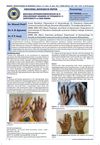 July 2021 in “PARIPEX INDIAN JOURNAL OF RESEARCH”
 This study highlighted knuckle hyperpigmentation as an early sign of vitamin B12 deficiency, indicating a potential link to megaloblastic anemia in the vegetarian population in India.
 October 2019 in “Turkderm”
 This study examined the demographics of patients diagnosed with pernio and compared their vitamin B12, folate, and ferritin levels with those of a control group.
 September 2019 in “Rheumatology advances in practice”
 This case study highlights the difficulties in diagnosing and treating interstitial lung disease, emphasizing the complex nature of ILD management and the need for further research and clearer guidelines.
 July 2003 in “Journal of Cutaneous Medicine and Surgery”
 Stopping certain drugs can improve skin conditions, arsenicosis affects over half of a Bangladeshi village, males are more vulnerable, and certain treatments are effective for warts, acne, and psoriasis. Smoking and drinking are linked to psoriasis in men, a cream helps with a type of skin cancer, and low iron levels don't directly cause chronic hair loss in women.
 July 2003 in “Journal of Cutaneous Medicine and Surgery”
 Some medications can improve skin conditions, while lifestyle factors like smoking and drinking may worsen them; treatments like monoclonal antibodies and imiquimod cream show promise for certain skin diseases.
 August 2001 in “Journal of Cutaneous Medicine and Surgery”
 Prednisone has risks for lupus patients, isotretinoin is safe for mental health, transplant patients risk skin cancer, and various treatments are effective for specific skin conditions.
 May 1991 in “Current problems in dermatology”
 This article reviews the relationship between the skin and the immune system and discusses how skin manifestations can indicate immunodeficiencies but reports no new research findings.
 19 citations
,
October 2009 in “Bioorganic & Medicinal Chemistry Letters”
19 citations
,
October 2009 in “Bioorganic & Medicinal Chemistry Letters” This study found that a thyroid hormone receptor ẞ subtype-selective thyromimetic was effective in promoting hair growth in mouse and monkey models when applied topically.
January 2026 in “International Journal of Molecular Sciences” This review highlights brimonidine’s potential as a dermatological agent, noting its ability to improve rosacea-related facial redness and its effectiveness in various other skin conditions due to its vasoconstrictive and anti-inflammatory actions, with minimal systemic absorption and a favorable safety profile for long-term use.
June 2024 in “European Journal of Pharmaceutics and Biopharmaceutics” This study reported that using photoacoustic waves to enhance transdermal delivery of encapsulated minoxidil can significantly increase hair growth while reducing treatment frequency and systemic side effects.