This study introduced Cadd4, a peptide-based degrader developed using computer-aided drug design, which effectively reduced PCSK9 levels and increased LDL receptor expression, resulting in decreased plasma cholesterol and LDL-C levels in hypercholesterolemic mice, without liver toxicity.
 2 citations
,
January 2024 in “Wiadomości Lekarskie”
2 citations
,
January 2024 in “Wiadomości Lekarskie” This study suggests that artificial intelligence could significantly enhance histology education for medical and dental students, but its implementation faces challenges like cost, accuracy, and ethical considerations.
 2 citations
,
January 2024 in “Pakistan Veterinary Journal”
2 citations
,
January 2024 in “Pakistan Veterinary Journal” This review highlights the potential of hydrogels in veterinary medicine, emphasizing their advantages over traditional wound dressings and their promising applications in drug delivery and tissue engineering, despite currently limited use in this field.
 2 citations
,
January 2023 in “International Journal of Dermatology Research”
2 citations
,
January 2023 in “International Journal of Dermatology Research” This study reported that C. procera leaf extracts showed antifungal activity against several dermatophytes, with ethanol extracts demonstrating slightly greater efficacy than aqueous extracts.
 2 citations
,
May 2022 in “Research Square (Research Square)”
2 citations
,
May 2022 in “Research Square (Research Square)” This study demonstrates that the amino-terminally shortened KGF-1 variant with 135 residues maintains biological activity, suggesting it may serve as an alternative to the original KGF-1 for certain therapeutic applications.
 2 citations
,
February 2022 in “Research Square (Research Square)”
2 citations
,
February 2022 in “Research Square (Research Square)” This study found that the ethanolic root extract of Onosma dichroantha exhibits antioxidant activity and significant antimicrobial effects against 11 bacterial species.
 2 citations
,
July 2020 in “International Journal for Research in Applied Science and Engineering Technology”
2 citations
,
July 2020 in “International Journal for Research in Applied Science and Engineering Technology” This study found that Pseudomonas DL7 completely degraded 600 mg/L of Sunset Yellow FCF in 48 hours at pH 9, indicating potential for biomineralization of this dye.
 2 citations
,
September 2019 in “South Asian research journal of pharmaceutical sciences”
2 citations
,
September 2019 in “South Asian research journal of pharmaceutical sciences” This article reviews the risks of metal exposure from cosmetic products and emphasizes the need for stricter regulation and consumer awareness, without presenting new data or results.
 2 citations
,
August 2019 in “Reviews on Clinical Pharmacology and Drug Therapy”
2 citations
,
August 2019 in “Reviews on Clinical Pharmacology and Drug Therapy” In this review, the authors concluded that fullerenes and their derivatives are safe for use in cosmetics and could provide antioxidant benefits and other useful properties for cosmetic and dermatological applications.
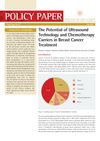
This policy paper explores the potential of using nanoscale carriers to deliver chemotherapy drugs directly to breast cancer tumors in the UAE, aiming to minimize harmful side effects and improve quality of life for patients by targeting only cancerous cells.
 2 citations
,
January 2015 in “Elsevier eBooks”
2 citations
,
January 2015 in “Elsevier eBooks” The document says biodegradable cosmetics and packaging are better for the environment and user experience.
 1 citations
,
May 2026 in “Signal Transduction and Targeted Therapy”
1 citations
,
May 2026 in “Signal Transduction and Targeted Therapy” This review highlights the promising role of stem cell therapy in treating resistant diseases, while also addressing the challenges in production and clinical application, emphasizing the need for standardized manufacturing and quality assurance to enhance efficacy and safety in clinical translational research.
 1 citations
,
April 2026 in “Cancer Nanotechnology”
1 citations
,
April 2026 in “Cancer Nanotechnology” This review examines nanozymes as promising tools for cancer diagnosis and therapy due to their enzyme-mimicking catalytic properties and highlights their challenges, including biosafety and clinical translation, alongside potential improvements through biomimetic designs, particularly utilizing exosome-based strategies for targeted delivery to tumors.
 1 citations
,
January 2026 in “Frontiers in Cell and Developmental Biology”
1 citations
,
January 2026 in “Frontiers in Cell and Developmental Biology” This study reviews the transformative role of artificial intelligence in biomaterial design, highlighting its ability to reduce costs through virtual screening, enhance material performance, and predict biological interactions to advance personalized and precision medicine.
 1 citations
,
November 2025 in “Clinical and Experimental Medicine”
1 citations
,
November 2025 in “Clinical and Experimental Medicine” This review highlights the emerging role of long non-coding RNAs (lncRNAs) in dermatology, suggesting that lncRNAs significantly impact signaling pathways involved in normal skin functions and skin diseases, offering potential as biomarkers and therapeutic targets.
 1 citations
,
September 2025 in “Scientific Reports”
1 citations
,
September 2025 in “Scientific Reports” This study reported that a colistin sulfate-loaded nanoemulgel showed improved antimicrobial activity and skin permeability compared to a CS solution, suggesting a potential new approach for treating severe infections caused by multidrug-resistant bacteria.
 1 citations
,
June 2025 in “Frontiers in Bioengineering and Biotechnology”
1 citations
,
June 2025 in “Frontiers in Bioengineering and Biotechnology” This review examines glycopeptide hydrogels as biomimetic materials for tissue regeneration and other biomedical applications, describing their design, properties, and potential uses, and highlighting future advancements in replicating natural tissue environments for precision medicine.
 1 citations
,
January 2025 in “International Research Journal of Multidisciplinary Scope”
1 citations
,
January 2025 in “International Research Journal of Multidisciplinary Scope” This review systematically summarizes the ethnopharmacology, phytochemistry, and pharmacological activities of Caryota mitis, highlighting its rich phytochemical profile and potential uses in treating various ailments, though many traditional uses still require further scientific validation.
 1 citations
,
January 2024 in “Wiadomości Lekarskie”
1 citations
,
January 2024 in “Wiadomości Lekarskie” This study evaluated a new computer-aided detection system for identifying Breast Arterial Calcification in mammograms, achieving 70% accuracy, but highlighted the need for a larger dataset to explore its relationship with cardiovascular diseases.
 1 citations
,
January 2024 in “Asian Journal of Microbiology Biotechnology and Environmental Sciences”
1 citations
,
January 2024 in “Asian Journal of Microbiology Biotechnology and Environmental Sciences” This review examines the growing global demand for diverse tea products, highlighting their health benefits and the economic challenges tea-producing countries face, while also exploring the rise of tea-based nutraceuticals, confectionery, toiletries, and cosmeceuticals.
 1 citations
,
November 2023 in “Research Square (Research Square)”
1 citations
,
November 2023 in “Research Square (Research Square)” In this study, researchers introduced a machine learning approach to discover new nanozymes through the DiZyme platform, enabling the accurate prediction of multiple catalytic activities, and providing a comprehensive database and assistant resources for users.
 1 citations
,
September 2023 in “Research Square (Research Square)”
1 citations
,
September 2023 in “Research Square (Research Square)” This study found that heart-inspired hollow hydrogel-based scaffolds enhanced regenerative capability in osteoporotic bone defects and increased cell number when using a mechanical-assisted post-bioprinting strategy.
 1 citations
,
December 2022 in “Türk tarım - gıda bilim ve teknoloji dergisi”
1 citations
,
December 2022 in “Türk tarım - gıda bilim ve teknoloji dergisi” This review discusses the diversification of tea products and their associated health benefits, highlighting the economic challenges faced by tea-producing countries and the global marketing strategies of the tea industry, but reports no new experimental findings.
 1 citations
,
December 2018 in “IntechOpen eBooks”
1 citations
,
December 2018 in “IntechOpen eBooks” This review discusses the potential of using human hair proteomics for non-invasive diagnostic and forensic applications but reports no new results; the authors highlight areas needing further research.
 1 citations
,
January 2016 in “Elsevier eBooks”
1 citations
,
January 2016 in “Elsevier eBooks” This chapter discusses the composition, biocompatibility, and production methods of biomaterials like collagen, chitin, and silk for dermal substitutes, focusing on preclinical and clinical research, but reports no new clinical results.
 May 2026 in “İzmir Katip Çelebi Üniversitesi Sağlık Bilimleri Fakültesi Dergisi”
 In this study, researchers successfully developed a 3D printed alginate-gelatin composite hydrogel scaffold characterized by high porosity and potential applications in drug delivery and screening, particularly for neurodegenerative diseases like Alzheimer's.
 May 2026 in “Scientific Reports”
 This study found that a bioactive borosilicate glass containing Sr and Cu ions exhibited promising mechanical strength, biocompatibility, and antibacterial activity, particularly the CuSr-1 wt.% composition, suggesting potential for use in orthopedic implants and bone tissue engineering.
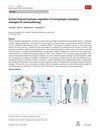
This review highlights that surface mechanical regulation can program macrophage behavior through specific mechanical cues on material surfaces, potentially advancing immunotherapies and regenerative medicine by enabling precise control over macrophage functions.
 March 2026 in “Frontiers in Pharmacology”
 This study highlighted the promising health benefits of taxifolin, a flavonoid with antioxidant, anti-inflammatory, and other protective effects found in foods like onions and milk thistle, though more research is needed to fully understand its mechanisms and safety for human therapeutic use.
 March 2026 in “Plastic and Aesthetic Research”
 This review highlights that exosomes from adipose-derived stem cells, particularly those enriched with circ-Ash1l, can inhibit ferroptosis and reduce UVB-induced skin aging by delivering GPX4-promoting signals to damaged cells, thus offering a potential regenerative therapy for photoaged skin.