 February 2026 in “International Journal of Molecular Sciences”
 In this study, Lrig1-positive stem cells in mouse hair follicles were found to be essential for sebaceous gland formation and maintenance, with their depletion causing a temporary loss of these glands and changes in cellular differentiation.
March 2024 in “International journal of molecular sciences” This study found that human meibomian glands differ significantly from free and hair-associated sebaceous glands in morphology and lipid composition, making them highly specialized holocrine glands.
October 2023 in “Biomimetics” This study developed a biocompatible hair-dyeing technology using a dark polyphenol complex, which demonstrated effective hair coating, improved mechanical strength, and strong antioxidant properties while maintaining high cell viability.
May 2019 in “Journal of Acupuncture Research” This study found that pharmacopuncture and topical application of Sebalgukhwa-san extract improved hair growth, density, and thickness in an alopecia mouse model without affecting liver function.
June 2015 in “The American journal of dermatopathology/American journal of dermatopathology” This study demonstrated that a 1-step, peroxidase-labeled conjugated antibody method provides more accurate immunoreactivity patterns in hair follicle substructures compared to the 2-step LSAB method, which may cause false-positive staining in sebaceous glands.
 July 2026 in “Functional Foods in Health and Disease”
 In this study, oral administration of strawberry guava extract promoted hair growth in both mice and humans, with active components like adenosine, fructose, digalactosyldiacylglycerol, and pedunculagin contributing by enhancing skin blood flow and activating dermal papilla cells.
June 2026 in “Journal of Advances in Biology & Biotechnology” In this study conducted at the Veterinary Clinical Complex in Bikaner, Rajasthan, researchers found that among 240 canine dermatitis cases, 25 dogs had demodicosis, characterized by various hematological and serum biochemical changes, and distinctive histopathological alterations in skin samples.
June 2026 in “Journal of Investigative Dermatology” Aging weakens sweat glands due to reduced support from immune cells, but treatments may help restore function.
April 2026 in “World Allergy Organization Journal” This study found that allergic rhinitis is linked to a higher risk of developing androgenetic alopecia, while second-generation H1-antihistamine use was associated with a reduced risk, especially in younger patients.
This study found that while 3D spheroid culture preserved sweat gland cell-specific markers better than 2D culture, their growth and structural organization were suboptimal, highlighting the need for improved culture systems.
January 2025 in “EXPERIMENTAL ANIMALS” This study found that gamma-ray exposure on the day of fertilization or the day after increased genome editing efficiency in pregnant mice using the i-GONAD method, potentially aiding in the creation of diverse experimental animal models.

This article discusses the challenges in diagnosing and treating polycystic ovary syndrome in adolescents, emphasizing the importance of lifestyle changes and a systematic therapeutic approach but reports no new clinical findings.
 May 2023 in “Research Square (Research Square)”
 In this study, researchers observed that treatment with Agaricus subrufescens ethanolic extract improved blood glucose, testosterone levels, and menstrual irregularity in rat models of letrozole-induced Polycystic Ovarian Syndrome, also noting a decrease in elevated liver and ovary weights, suggesting protective effects on renal function.

This review investigates the relationship between polycystic ovarian syndrome and the development of type 2 diabetes mellitus but reports no new clinical findings.
August 2005 in “The Journal of Cell Biology” This abstract provides a graphic illustrating that mice lacking the Sgk3 gene exhibit thin coats and abnormal hair, suggesting a role for Sgk3 kinase in hair follicle growth, but reports no new experimental findings.
January 2002 in “대한피부과학회지” This study analyzed clinical manifestations in 18 dermatomyositis patients, noting that all exhibited skin rash and variable symptoms like itching and muscle weakness, with treatment involving prednisolone and hydroxychloroquine.
 January 2016 in “Global dermatology”
 A treatment called Cellcurin, combined with microneedling, significantly increased hair density and diameter in patients with hair loss.
 65 citations
,
October 2018 in “Frontiers in cellular and infection microbiology”
65 citations
,
October 2018 in “Frontiers in cellular and infection microbiology” This study observed that dandruff in Indian women is associated with a distinct scalp microbiome, including specific bacterial and unknown Malassezia species, with implications for nutrient homeostasis and cell-host adhesion pathways.
 22 citations
,
September 2019 in “ACS omega”
22 citations
,
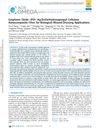
September 2019 in “ACS omega” This study found that AGO@HPC nanocomposite films demonstrated enhanced mechanical, anti-ultraviolet, and antibacterial properties, suggesting potential for use in antibacterial packaging and wound-dressing applications.
3 citations
,
August 2022 in “Pharmaceuticals” This study observed that a self-emulsifying drug delivery system for finasteride significantly enhanced bioavailability in rats compared to commercial tablets, but the formulation was found to be thermodynamically unstable.
 2 citations
,
August 2020 in “International Journal of Cosmetic Science”
2 citations
,
August 2020 in “International Journal of Cosmetic Science” This study suggests that Lindera strychnifolia root extract may help restore a healthy microbial balance on the scalp in men with androgenetic alopecia after 83 days of treatment.
April 2024 in “Molecules/Molecules online/Molecules annual” This review discusses the potential of P. polyphylla saponins to treat acne through antibacterial, anti-inflammatory, immunomodulatory, and antioxidant effects, noting that acne's complex pathogenesis makes this line of research promising for future studies.
 July 2021 in “Journal of dermatology research and therapy”
 This article discusses the mechanisms by which Cutibacterium acnes contributes to acne vulgaris and mentions potential triggers like UV light and tobacco, but it reports no new clinical results.
 9 citations
,
November 2017 in “Dermatologic Clinics”
9 citations
,
November 2017 in “Dermatologic Clinics” This article reviews botulinum toxin use in men, focusing on anatomical and treatment differences, with no new clinical results.
 December 2019 in “Дерматологія та венерологія”
 Trichoscopy is a useful tool for diagnosing hair and scalp disorders.
138 citations
,
June 2023 in “Molecules” This review examines various skin pigmentation disorders, their causes, and potential treatments, detailing 25 plants, 4 marine species, and 17 clinically tested topical and oral medications for managing these conditions.
 59 citations
,
August 2003 in “Phytotherapy Research”
59 citations
,
August 2003 in “Phytotherapy Research” This study found that a 70% methanol extract from red ginseng stimulated hair growth in mouse vibrissal follicles, suggesting its bioactive components, particularly certain ginsenosides, may promote hair growth.
 13 citations
,
May 2016 in “International journal of biological macromolecules”
13 citations
,
May 2016 in “International journal of biological macromolecules” This study demonstrated that molecular dynamics simulations of keratin could effectively model the mechanical properties of hair, aligning well with experimental data, especially when conducted in vacuum conditions.
 5 citations
,
May 2022 in “Molecules”
5 citations
,
May 2022 in “Molecules” This article reviews the literature on the off-label use of botulinum toxin for dermatological conditions, highlighting its potential effectiveness in treating rosacea, anal fissures, Raynaud phenomenon, hypertrophic scars, keloids, and hidradenitis suppurativa.
This study found that switching juvenile mice from a high-fat, high-carbohydrate diet to a control diet optimally reduced hormonal imbalances and weight, with nutraceuticals offering partial support.