 April 2023 in “Advanced functional materials”
 This study created a Wnt3a protein gradient using Multiphoton Microfabrication technology, which improved hair-inductive properties in mouse and human hair dermal papilla cells, suggesting potential applications in hair regeneration research and drug screening.
 April 2023 in “Journal of Investigative Dermatology”
 This study demonstrated that the Epidermal Biopotential Sensing System (EBSS) can measure digital biomarkers of pain in mice, suggesting potential applications in assessing pain and screening analgesics in populations with communication difficulties.
 April 2023 in “Journal of Investigative Dermatology”
 This study found that longer disease duration in psoriasis patients was significantly associated with increased incidence of cerebral atrophy, suggesting a potential need for central nervous system screening in these patients.

This chapter reviews management strategies for telogen effluvium, detailing the use of topical and low-dose oral minoxidil, and highlights the importance of screening for secondary causes.
 January 2023 in “Annals of Dermatology”
 This study found that males with a maternal history of androgenetic alopecia were significantly more likely to have female pattern hair loss, suggesting early screening might be beneficial.
 December 2022 in “The Indian journal of chest diseases & allied sciences”
 This study found that sleep disorders, especially poor sleep quality, are common in women with PCOS, suggesting the need for regular screening using specific questionnaires.
 November 2022 in “Journal of the Endocrine Society”
 This case report highlights a novel NR5A1 gene variant associated with a severe 46,XY disorder of sex development, stressing the importance of genetic screening in similar cases.
 June 2022 in “Research Square (Research Square)”
 This study found that the incidence of urolithiasis increased from 1995 to 2016 in Wuwei, China, supporting the need for strengthened screening and early diagnosis to improve prevention and treatment.
 January 2022 in “International Journal of Medicine in Developing Countries”
 In this study, 35.4% of telogen effluvium patients showed ferritin deficiency and 34.2% had vitamin D deficiency, suggesting these should be included in TE screening; TSH testing should be individualized.

This review found an increased prevalence of common skin disorders, such as infectious and inflammatory conditions, in patients with Down syndrome and highlighted the need for improved screening and management guidelines.
June 2021 in “Zenodo (CERN European Organization for Nuclear Research)” This observational study found that benign and HAIR-AN were the most common acanthosis nigricans types associated with obesity, PCOS, and diabetes, highlighting the need for comprehensive screening in affected individuals.
 June 2020 in “Journal of Investigative Dermatology”
 This study observed that human primary adult hair matrix keratinocytes may have the potential to generate hair follicle organoids, suggesting possible applications in hair follicle neogenesis and preclinical hair growth agent screening.
 October 2018 in “International journal of reproduction, contraception, obstetrics and gynecology”
 This study found that in women with PCOS in Port Harcourt, Nigeria, glucose homeostatic disorders were common, particularly among those with higher testosterone levels, suggesting the need for glucose disorder screening in this population.
 August 2018 in “Journal of The American Academy of Dermatology”
 Older men's scalp damage increases with age and sun exposure, a baby girl in the Philippines has Schimmelpenning syndrome, and thyroid screening is advised for children with hair loss and certain risk factors.
April 2018 in “Journal of Investigative Dermatology” In this study, researchers found that the NUDT15 R139C gene variant is a significant genetic risk factor for azathioprine-induced severe myelotoxicity in Japanese patients with dermatological conditions, suggesting that screening for this variant may help prevent adverse reactions in East-Asian populations.
August 2017 in “Revista de la Facultad de Ciencias Médicas (Quito)/Revista de la Facultad de Ciencias Médicas” In this study, men with early-onset androgenetic alopecia were found to have a higher risk of prostate cancer, suggesting early screening could be beneficial for these individuals.
This study developed a novel FRET-based 3D in vitro breast tumor model that can non-invasively evaluate drug-induced effects, showing its potential as an intermediary screening platform for cancer drugs.
 August 2015 in “International Journal of Genetics and Molecular Biology”
 This study found that specific Y-chromosome alleles may influence susceptibility to prostate cancer in Iraqi males, suggesting their potential use in screening for the disease.
 January 2014 in “Progress of Digestive Endoscopy”
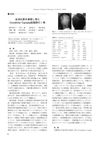
 This case report describes a 60-year-old woman with Cronkhite-Canada syndrome whose symptoms and polyposis improved following prednisolone therapy, but emphasizes the need for periodic digestive tract screening due to associated cancer risks.
January 2013 in “Journal of Endocrinology and Diabetes Mellitus” This study found that men with Cushing syndrome often experience significant hypogonadism, with 65% reporting reduced libido and erectile dysfunction, indicating a need for screening in those with gynecomastia or hypogonadism.
August 2011 in “Der Urologe” This review discusses the impact of various treatments for prostate cancer, noting that while 5α-reductase inhibitors reduce risk, they may not decrease and could even increase high-risk cancers; the authors highlight that recent data suggest longer screening can reduce prostate cancer mortality more effectively.
 January 2010 in “Nihon Hou Kagaku Gijutsu Gakkaishi”
 This study concluded that their modified immunohistochemical staining protocol can determine the ABO blood group of both medullated and non-medullated scalp hair, potentially aiding in hair sample screening before DNA analysis.
 February 2007 in “Faculty Opinions – Post-Publication Peer Review of the Biomedical Literature”
 Taking 1mg of finasteride daily for hair loss can lower PSA levels by 40-50%, so to keep PSA effective as a cancer screening tool, the PSA value should be doubled during treatment.
June 1967 in “Journal of Cellular Physiology” This study developed an in vitro 3D organoid model using dermal papilla spheroids and found that it enhances growth factor expression and extracellular matrix production, which could aid drug screening for hair regeneration.
 September 2024 in “Cureus”
 This case report describes a woman who experienced worsened breast implant illness symptoms following a COVID-19 infection and vaccination, which improved after implant removal, even though numerous screenings had been inconclusive prior to explantation.
April 2023 in “International journal of medical and biomedical studies” This study observed that among 126 Indian patients with androgenetic alopecia, 29.4% had metabolic syndrome, with higher severity of alopecia correlating with increased prevalence of metabolic syndrome components such as obesity and hypertension, suggesting early screening for metabolic risks could be beneficial.
September 2022 in “Translational Andrology and Urology” This study found that in young men with post-finasteride syndrome, there are potential genetic risk factors associated with psychological and sexual dysfunctions, suggesting genetic screening may be beneficial before prescribing finasteride.
January 2022 in “Essentials in ophthalmology” This review discusses risk factors for intraoperative floppy iris syndrome, emphasizing tamsulosin and other α1 blockers, and underscores the importance of preoperative screening to mitigate surgical complications, but it reports no new results.
 January 2022 in “Springer eBooks”
 The book explains causes and treatments for common hair loss, its psychological effects, related health risks, and emphasizes early screening and lifestyle changes.
 July 2018 in “Journal of Evolution of medical and Dental Sciences”
 In this study, researchers observed that men with androgenetic alopecia had a higher prevalence of metabolic syndrome compared to those without alopecia, which may warrant early screening for metabolic syndrome to prevent coronary artery disease, despite the study's small sample size.