 March 2022 in “Research Square (Research Square)”
 This study found that 4-aminopyridine significantly improved skin wound healing by enhancing wound closure, tissue regeneration, and cellular interactions involved in repair processes.
January 2005 in “Zhonghua chuangshang guke zazhi” This study found that human hair keratin can effectively induce peripheral nerve regeneration in rats, showing good biocompatibility and a controllable degradation rate when used as a scaffold material.
May 2005 in “Zhonghua chuangshang guke zazhi” This study found that human hair keratin bridges effectively induced nerve regeneration and demonstrated good biocompatibility and controlled degradation when used in rats with peripheral nerve defects.
 130 citations
,
September 2018 in “Cell Reports”
130 citations
,
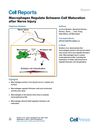
September 2018 in “Cell Reports” This study found that macrophages play a crucial role in nerve regeneration by regulating Schwann cell dynamics and remyelination, with Gas6 identified as a key factor in this process.
 5 citations
,
January 2017 in “Molecular Medicine Reports”
5 citations
,
January 2017 in “Molecular Medicine Reports” This study found that nestin-negative hair follicle stem cells can differentiate into neural stem cell-like cells, but not mature neurons, through a multi-step neuro-induction process.
 5 citations
,
January 2023 in “Cell proliferation”
5 citations
,
January 2023 in “Cell proliferation” This study reported that supplementing rat hair follicle stem cells with chick embryo extract enhanced their migration and proliferation, possibly promoting differentiation toward Schwann cells.
 106 citations
,
September 2010 in “Stem cells”
106 citations
,
September 2010 in “Stem cells” This study found that skin-derived precursor cells in mice can originate from both neural crest and somite lineages but show functional similarities regardless of their developmental origins.
 33 citations
,
October 2010 in “Journal of Dermatological Science”
33 citations
,
October 2010 in “Journal of Dermatological Science” This study suggests that human and mouse hair follicle stem cells may support nerve repair and provide a practical source of stem cells for neurological therapies.
June 2025 in “Proceedings of the National Academy of Sciences” In this study, a mouse model with a PIK3CA gain-of-function mutation in Schwann cells revealed unique communication with neighboring cells and a glycolytic shift in peripheral nerves, and early alpelisib treatment significantly improved symptoms, though efficacy declined with delayed administration due to limited drug penetration.
11 citations
,
September 2019 in “The journal of investigative dermatology/Journal of investigative dermatology” This study identified a distinct CD49fhigh mesenchymal stem cell subpopulation in the dermis that supports hair follicle development and maintenance via Notch signaling activation.

This study found that fetal canine hair follicle-derived stem cells exhibited pluripotency markers, suggesting potential for therapeutic applications in hair and skin repair.
3 citations
,
May 2013 in “International journal of molecular sciences” This review discusses the biological characteristics and potential of epidermal stem cells in orthopedic regenerative medicine but reports no new experimental findings.
 July 2022 in “Biomedicines”
 This study found that 4-aminopyridine significantly enhanced skin wound healing by accelerating wound closure, improving skin architecture, and promoting hair follicle neogenesis and tissue regeneration.
 November 2021 in “bioRxiv (Cold Spring Harbor Laboratory)”
 This study found that 4-aminopyridine, a potassium channel blocker, greatly improves skin wound healing by accelerating wound closure, enhancing tissue regeneration, and promoting hair follicle neogenesis.
35 citations
,
January 2000 in “Journal of comparative neurology” This study re-examined the structure of lanceolate endings in rat vibrissae, suggesting that their apical cones may function as a transducer site for detecting hair movements.
 5 citations
,
July 2022 in “Journal of Clinical Medicine”
5 citations
,
July 2022 in “Journal of Clinical Medicine” This study found histopathological evidence of hypertrophy in nerve endings that may explain the cutaneous neurosensory symptoms in some long COVID-19 patients.
106 citations
,
February 2014 in “eLife” This study concluded that terminal Schwann cells are essential for the maintenance and regeneration of mechanosensory lanceolate complexes at hair follicles in adult mice.
July 2025 in “PNAS Nexus” This study integrated single-cell RNA-seq data from four previous studies to create a comprehensive human corneal cell state meta-atlas, revealing novel marker genes, rare cell states, and distinct transcription factors, and offering a tool to enhance future cornea research.
37 citations
,
November 2017 in “Medical Sciences” This study suggests that melanoma tumor cells exhibit intrinsic plasticity, challenging the applicability of the cancer stem cell model to this malignancy.
1 citations
,
April 2015 in “InTech eBooks” RAGE is a potential target for melanoma treatment, but its effectiveness is uncertain due to variable expression levels.
21 citations
,
January 2023 in “International Journal of Molecular Sciences” This review discusses the role and interactions of the calcium-binding protein S100A6 in cellular processes and its association with various diseases, highlighting the need for further research to fully understand its biological impact.
 15 citations
,
December 2015 in “PLoS ONE”
15 citations
,
December 2015 in “PLoS ONE” This study found that human adult dermal fibroblasts can express markers typically associated with neural cells, suggesting potential pitfalls in relying on immunophenotyping alone for cell identity verification.
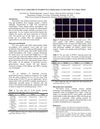
This study examined the use of keratin gel as a filler in nerve guides for peripheral nerve regeneration in a rat sciatic nerve injury model.
 2 citations
,
September 2022 in “Organoid”
2 citations
,
September 2022 in “Organoid” In this study, the researchers developed a new protocol using human-induced pluripotent stem cells to efficiently create skin hair follicle organoids, which may aid in optimizing hair follicle growth and exploring treatments for alopecia.
 133 citations
,
May 2016 in “Cell Host & Microbe”
133 citations
,
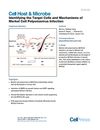
May 2016 in “Cell Host & Microbe” In this study, human dermal fibroblasts were identified as natural host cells that support productive Merkel cell polyomavirus infection, and the MEK antagonist trametinib was introduced as an effective inhibitor to control the virus.
 10 citations
,
January 2014 in “BioMed research international”
10 citations
,
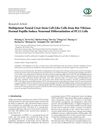
January 2014 in “BioMed research international” In this study, dermal papilla cells from rat vibrissae showed potential for treating CNS injuries by secreting neurotrophic factors and promoting neuronal differentiation more effectively than bone marrow mesenchymal stem cells.
 January 2008 in “Durham e-Theses (Durham University)”
 This study observed that stem cells from the hair follicle dermis share similarities with bone marrow-derived mesenchymal stem cells and have potential to form neural-like cells under specific conditions.

This study suggests that hair follicle dermal stem/progenitor cells play a key role in both hair regeneration and skin wound healing, with potential implications for preventing hair follicle miniaturization linked to aging or alopecia.
 24 citations
,
March 2018 in “Pigment Cell & Melanoma Research”
24 citations
,
March 2018 in “Pigment Cell & Melanoma Research” This review discusses the interactions between melanocyte stem cells and their niche in hair regeneration and repair, but reports no new results; recent studies on molecular pathways are highlighted.
 21 citations
,
July 2006 in “Veterinary dermatology”
21 citations
,
July 2006 in “Veterinary dermatology” In this study, researchers reported that CD34 expression in the isthmic region of canine hair follicles suggests a potential stem cell compartment in this area.