 1 citations
,
June 2022 in “Journal of Wrist Surgery”
1 citations
,
June 2022 in “Journal of Wrist Surgery” In this pilot study on treating dorsal wrist ganglion, PRP injection showed limited effectiveness at 1-year follow-up compared to aspiration alone, with most PRP-treated patients experiencing ganglion recurrence, suggesting that an RCT would need at least 46 patients per group to further assess PRP's utility.
June 2026 in “Journal of Cosmetic Dermatology” CGF-PF may improve hair loss treatment by targeting hair follicle stem cells more effectively.
2 citations
,
October 2023 in “Cancer Reports” This study found that colorectal cancer patients could be categorized into two groups based on mitochondrial-related gene features, with distinct survival outcomes and tumor microenvironment characteristics, suggesting these features could inform individualized treatment plans.
March 2022 in “Benha Journal of Applied Sciences” This study found that serum PGRN levels and HOMA-IR were significantly higher in male AGA patients compared to controls, suggesting a link to insulin resistance and metabolic syndrome.
22 citations
,
August 2020 in “Cells” This review discusses the role of TGM3 in skin and hair follicle biology, human tumor pathology, and genetic abnormalities, and reports no novel results; the authors highlight its potential as a cancer diagnostic biomarker.
October 2024 in “OBM Transplantation” In this case study, a patient with moderate papulopustular acne showed improvement in acne scars and active lesions after three monthly treatments with autologous plasma-rich growth factors, which help regulate inflammation, inhibit bacterial growth, and restore collagen.
 April 2023 in “Journal of Investigative Dermatology”
 In this retrospective cohort study, 53.8% of adult rosacea patients who started CGRP monoclonal antibodies for migraines experienced improvement in papules/pustules and erythema/flushing, although moderate adverse events were noted, suggesting these antibodies may benefit rosacea symptoms.
 3 citations
,
December 2016 in “Springer eBooks”
3 citations
,
December 2016 in “Springer eBooks” This study found that activating Toll-like receptor 3 in periodontal ligament stem cells enhanced their stem cell and immunosuppressive properties, potentially supporting effective periodontal tissue regeneration.
 1 citations
,
June 2021 in “bioRxiv (Cold Spring Harbor Laboratory)”
1 citations
,
June 2021 in “bioRxiv (Cold Spring Harbor Laboratory)” This study found that in wild-type Arabidopsis plants, root hair growth is suppressed with increased nutrient availability, with RHD6 subfamily genes down-regulated and GTL1 and DF1 genes influencing root hair morphology under these conditions.
 2 citations
,
May 1998 in “Dermatologic Surgery”
2 citations
,
May 1998 in “Dermatologic Surgery” This study observed that rhomboid minigraft techniques in hair restoration surgery improved graft stability and reduced complications compared to traditional rectangular minigrafts.
 November 2025 in “PARIPEX-INDIAN JOURNAL OF RESEARCH”
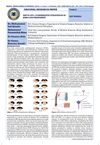
 GFC is more effective than PRP for treating hair loss.
 9 citations
,
September 2017 in “Journal of Investigative Dermatology Symposium Proceedings”
9 citations
,
September 2017 in “Journal of Investigative Dermatology Symposium Proceedings” In this study, PGD2 was shown to increase testosterone production in human keratinocytes through reactive oxygen species, suggesting potential benefits of antioxidants like N-acetyl-cysteine for AGA patients.
5 citations
,
November 2013 in “Journal of Investigative Dermatology” This study found that mice lacking the glucocorticoid receptor in their epidermis showed increased susceptibility to chemical-induced skin cancer, highlighting the receptor's role in skin carcinogenesis.
 6 citations
,
July 2013 in “Experimental and Therapeutic Medicine”
6 citations
,
July 2013 in “Experimental and Therapeutic Medicine” This study found that topical ginsenoside Rg1 may protect skin from UVB-induced damage in mice by reducing pathological changes and modulating cytokine mRNA expression associated with inflammation and immune response.
January 2026 in “Industrial Crops and Products” In this study, oral administration of ginsenoside Rf from Panax ginseng promoted hair regrowth and increased hair thickness in a mouse model of androgenetic alopecia by enhancing androgen receptor degradation, highlighting its potential for cosmetic and functional food applications.
 February 2024 in “Advanced Functional Materials”
 This study reported that a newly developed hydrogel patch, designed to recruit regulatory T cells through ROS-triggered release of CCL22, improved wound healing and hair follicle regeneration in a diabetic mouse model by scavenging ROS, thereby protecting Tregs and suppressing Th17 cells.
5 citations
,
May 2024 in “Developmental Cell” Lower GATA3 levels in mice help hair regrow by changing certain immune cells.
10 citations
,
November 2009 in “Pigment cell & melanoma research” This study by Pérez-Oliva et al. explored how Mahogunin Ring Finger-1 (MGRN1) affects melanocortin-1 receptor (MC1R) signaling, suggesting that MGRN1 competitively inhibits Gαs binding to MC1R, influencing pigment production.
3 citations
,
July 2023 in “Cells” This study found that topical application of recombinant human MG53 protein mitigated nitrogen mustard-induced skin injuries in mice by preserving epidermal integrity and hair follicle structure.
 7 citations
,
June 2015 in “European Journal of Plastic Surgery”
7 citations
,
June 2015 in “European Journal of Plastic Surgery” This retrospective study found that treatment with autologous plasma rich in growth factors increased hair density and improved hair follicle health in patients with androgenetic alopecia, with no reported adverse effects.
 1 citations
,
September 2021 in “Cureus”
1 citations
,
September 2021 in “Cureus” This study found that the rs1128977 SNP in the RXRG gene may be linked to altered clinical characteristics such as higher HDL-cholesterol levels and increased body mass index in individuals with dyslipidemia.
34 citations
,
May 2001 in “Endocrinology” This study found that MRP3 is induced in wound edge keratinocytes during wound healing and may play a role as a growth or angiogenesis factor in this process and the hair follicle cycle.
105 citations
,
October 2018 in “Nature” This study found that vismodegib promotes Basal cell carcinoma regression by inducing tumor differentiation but leaves a small population of quiescent cells that can drive relapse, which can be eliminated by adding a Wnt signaling inhibitor.
This study presents the G4 transgenic mouse model, which suggests a direct link between polycystic ovary syndrome and the Gm10800 gene, offering a valuable tool for understanding the disease and testing treatments.
May 2026 in “Journal of Medicinal Chemistry” In this study, the authors developed a novel PROTAC named dAR-6–1, which demonstrated superior hair regeneration in an AGA mouse model compared to minoxidil, highlighting its promise as a therapy due to potent AR degradation and excellent skin permeability.
 19 citations
,
January 2015 in “Scientific Reports”
19 citations
,
January 2015 in “Scientific Reports” This study found that the GPR39 receptor plays a novel role in accelerating wound healing in mouse skin, although it is not essential for skin development or homeostasis.
 108 citations
,
July 2002 in “Molecular and cellular biology”
108 citations
,
July 2002 in “Molecular and cellular biology” This study found that overexpressing Dsg3 in the suprabasal epidermis of transgenic mice resulted in flaking skin and abnormal hair growth, supporting Dsg3's role in regulating epidermal differentiation.
July 2024 in “Journal of Investigative Dermatology” PRP preparation partially activates platelets, causing varied growth factor release.
 31 citations
,
July 2004 in “Molecular Medicine”
31 citations
,
July 2004 in “Molecular Medicine” This study found that mutant glucocorticoid receptors have defective transcriptional activity and dynamic motility issues in the nucleus, likely due to impaired interactions with nuclear molecules necessary for gene activation.
January 2023 in “Journal of Plastic Surgery and Hand Surgery” This study observed that both autogenic and xenogenic PRP improved graft viability in rabbits compared to control, with autogenic PRP showing better histopathological results.