7 citations
,
March 2001 in “Journal of the European Academy of Dermatology and Venereology” This case report highlights the complexity of lupus erythematosus/lichen planus overlap syndrome, noting a high potential for progression to systemic lupus erythematosus.
2 citations
,
September 2023 in “Foods” In this study, researchers developed microcapsules and effervescent tablets containing policosanol from insect wax, achieving high encapsulation efficiency and rapid water dispersion, effectively addressing the challenges of solubility and psychological acceptance in consuming insect-based lipids.
1 citations
,
July 2023 in “International Journal of Pharmaceutical Sciences and Drug Research” This study developed an effective and reliable HPTLC method for the simultaneous measurement of linoleic acid and oleanolic acid in Eclipta alba.
91 citations
,
November 2008 in “Journal of biological chemistry/The Journal of biological chemistry” This study found that DGAT1 functions as a key enzyme in murine skin to regulate retinoic acid levels and prevent retinoid toxicity, impacting hair cycle and sensitivity to retinol.
 1 citations
,
March 1997 in “Journal of Chromatography B: Biomedical Sciences and Applications”
1 citations
,
March 1997 in “Journal of Chromatography B: Biomedical Sciences and Applications” This study discovered that the disposition of LY191704 enantiomers in rats and dogs is both stereoselective and species specific.
 5 citations
,
February 2019 in “bioRxiv (Cold Spring Harbor Laboratory)”
5 citations
,
February 2019 in “bioRxiv (Cold Spring Harbor Laboratory)” This study found that in a mouse model of Leigh syndrome, rapamycin alters brain proteome and may extend survival by targeting protein kinase C.
1 citations
,
October 2025 in “International Journal of Dermatology” In this study, participants receiving a 50-mg maintenance dose of ritlecitinib reported greater improvements in emotional and activity limitations due to hair loss by Week 48 compared to those on a 10-mg dose.
1 citations
,
January 2023 in “Elsevier eBooks” This review discusses the role of phospholipases in skin and hair health, suggesting that understanding their molecular control could inform new treatments for related conditions, but it presents no new clinical results.
November 2024 in “SKIN The Journal of Cutaneous Medicine” This study found that daily treatment with ritlecitinib 50 mg over 24 months reduced the number of patients in the highest categories of scalp hair loss, with improvements seen in patient responses over time.
1 citations
,
January 2012 in “Human health handbooks” This review discusses the essential role of linoleic acid in preventing deficiency symptoms and enhancing skin function, but notes that scientific knowledge on its potential therapeutic use for skin diseases remains limited.
 December 2023 in “Sains Malaysiana”
 In this study, researchers used in silico mutagenesis to identify key calcium-binding sites influencing the stability of Rand protease from Bacillus subtilis, potentially enhancing its application in industries like leather dehairing by improving stability and eliminating the need for additional metal ions during the process.
 28 citations
,
January 2018 in “Biochemical Society Transactions”
28 citations
,
January 2018 in “Biochemical Society Transactions” This review explores the role of fatty acids and bioactive lipid mediators in skin health and suggests targeting this metabolic network to control inflammation and improve skin conditions, but it reports no new findings.
 August 2023 in “The journal of investigative dermatology/Journal of investigative dermatology”
 This study reports that a patient with rare linear lichen planopilaris experienced complete hair regrowth after 12 weeks of treatment with the antibody ixekizumab, suggesting it as a potential targeted therapy.
 1 citations
,
June 2001 in “Annals of Internal Medicine”
1 citations
,
June 2001 in “Annals of Internal Medicine” This letter to the editor discusses data from a study on troglitazone for lipodystrophy, noting significant increases in subcutaneous fat without dietary changes.
January 2026 in “Forum Dermatologicum” This study reviewed cases of Graham–Little-Piccardi–Lassueur syndrome and found that topical treatments were generally ineffective, while systemic therapies like prednisone, hydroxychloroquine, and isotretinoin led to partial hair regrowth and disease stabilization, highlighting the importance of early diagnosis and systemic therapy to improve outcomes.
September 2008 in “Pediatric Rheumatology” This study reports that the symptoms and immunological findings in two children with diverse autoimmune-like conditions were ultimately attributed to lysinuric protein intolerance, confirmed by genetic analysis in one child.
 8 citations
,
February 2010 in “Journal of Dermatology”
8 citations
,
February 2010 in “Journal of Dermatology” This study observed that a topical liposome formulation of a 5‐α‐reductase inhibitor effectively reduced the size of treated sebaceous glands and induced apoptosis in a hamster model, suggesting potential benefits for acne treatment.
 6 citations
,
November 2023 in “Clinical Pharmacokinetics”
6 citations
,
November 2023 in “Clinical Pharmacokinetics” This research discusses the parallel clinical development of ritlecitinib, an oral Janus kinase 3/tyrosine kinase inhibitor, for treating conditions such as alopecia areata, vitiligo, ulcerative colitis, Crohn's disease, and rheumatoid arthritis. Results are not reported in the abstract.
 6 citations
,
January 2020 in “International journal of biological sciences”
6 citations
,
January 2020 in “International journal of biological sciences” In this study, deletion of ROBO4 in mice ameliorated hair loss caused by elevated PAF levels, suggesting potential interplay with VLDLR-related pathways.
25 citations
,
November 2012 in “Thermochimica Acta” This study found that lipid extraction increased water diffusion in wool and hair fibers; the effect was more pronounced in hair, indicating lipids are crucial for water permeability.
 March 2026 in “SKIN The Journal of Cutaneous Medicine”
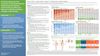
 This study demonstrated that litifilimab significantly reduced disease activity in cutaneous lupus erythematosus by Week 16, with improvements most notable in sunlight-exposed skin areas.
 24 citations
,
December 2018 in “Life sciences”
24 citations
,
December 2018 in “Life sciences” This review discusses the role of lysophosphatidic acid in skin physiology and pathology, highlighting its significance in processes like wound healing and hair follicle development, but reports no new clinical findings.
24 citations
,
September 2020 in “Pharmaceutics” In this study, solid lipid microparticles loaded with lidocaine hydrochloride were developed to effectively deliver pain relief and antimicrobial benefits for wound management, demonstrated by testing with bioengineered skin substitutes and showing effectiveness against common wound-infecting bacteria.
 1 citations
,
April 2018 in “Journal of Investigative Dermatology”
1 citations
,
April 2018 in “Journal of Investigative Dermatology” In this study, OEA was found to significantly enhance sebaceous lipogenesis and potentially reduce inflammation in human sebocytes, suggesting it as a promising candidate for treating skin dryness.
 23 citations
,
December 2017 in “Scientific Reports”
23 citations
,
December 2017 in “Scientific Reports” This study found that the ARL15 gene affects adipocyte differentiation and adiponectin secretion, and suggests that ARL15 haploinsufficiency may predispose individuals to lipodystrophy.

This research observed that removing RNase L in mice enhances regenerative capacity through increased IL-36 and wound-induced hair neogenesis, highlighting RNase L as a gene that represses regeneration by moderating immune responses during viral infections.
 13 citations
,
October 2017 in “Biomedicine & Pharmacotherapy”
13 citations
,
October 2017 in “Biomedicine & Pharmacotherapy” In this study, ethyl acetate fraction of Eclipta alba was found to inhibit adipogenesis and reduce dyslipidemia in hamsters, suggesting potential as an herbal treatment for obesity.
August 2024 in “British Journal of Dermatology” The trial is ongoing, but researchers are evaluating the efficacy and safety of REZPEG, a potential new therapy for severe alopecia areata, which selectively expands regulatory T cells.
 5 citations
,
December 2021 in “Frontiers in Cell and Developmental Biology”
5 citations
,
December 2021 in “Frontiers in Cell and Developmental Biology” This review outlines how peptidyl arginine deiminases (PADIs) and protein citrullination are involved in hair follicle regeneration and inflammatory alopecia, but presents no new clinical findings.
 October 2009 in “Reactions Weekly”
 A woman developed lupus after taking hydroxyurea for two years.