November 2023 in “Journal of Investigative Dermatology” Removing GRK2 in skin cells causes hair loss similar to immune-related alopecia.
31 citations
,
August 2023 in “ACS Applied Bio Materials” This study developed granular hydrogels with reversible interparticle cross-linking, finding they offer high mechanical stability and enhance cell recruitment, making them promising for injectable and 3D printable scaffolds in tissue engineering and therapeutic delivery.
27 citations
,
December 1997 in “Archives of Dermatological Research” This study observed that cultured dermal papilla cells showed distinct functional properties from dermal fibroblasts, including lower proliferation rates, higher adhesion to collagen type IV, and different cell-matrix interactions.
 3 citations
,
September 2005 in “Experimental dermatology”
3 citations
,
September 2005 in “Experimental dermatology” This review discusses the formation and structure of the cornified cell envelope in the epidermis, highlighting biochemical pathways and genetic factors, but presents no new experimental results.
12 citations
,
June 2013 in “International Journal of Dermatology” This study found that different types of seborrheic keratosis demonstrate diverse differentiation patterns, highlighting its undifferentiated and hyperproliferative state with varying keratinization directions.
14 citations
,
June 2005 in “PubMed” This case report describes a 57-year-old Japanese male with a folliculosebaceous cystic hamartoma containing unusual hair shaft fragments, providing insight into its characteristic histological features.
 1 citations
,
March 2014 in “Applied Microscopy”
1 citations
,
March 2014 in “Applied Microscopy” This study confirmed the localization of CK19 and vimentin in skin cells, with CK19 linked to hair growth and vimentin stabilizing fibroblast structure.
5 citations
,
July 2010 in “Journal of life sciences” This study found that gray scalp hair had a higher prevalence of continuous medullation and crenate cuticle type compared to black scalp hair among Bengalee males.
1 citations
,
January 2007 in “AIP conference proceedings” This study used phase contrast hard x-ray microscopy to capture detailed images of healthy human hair, revealing distinct structures such as the medulla, cortex, and cuticular layer.
59 citations
,
August 1981 in “PubMed” This study describes trichilemmal keratinization as a distinct process of hair follicle keratinization that occurs in specific areas of the outer root sheath, illustrated using electron microscopy on dog hair.
28 citations
,
October 2023 in “Trends in biotechnology”  January 2019 in “Global Dermatology”
 This review discusses the genetic disorder, monilethrix, characterized by fragile, brittle hair and its inheritance patterns, and reports no new clinical results.
22 citations
,
September 2000 in “Journal of Investigative Dermatology” This study found that mu-crystallin gene expression in mouse skin is highest during the anagen phase of hair development, suggesting its possible role in hair follicle growth.
March 2008 in “Faculty Opinions – Post-Publication Peer Review of the Biomedical Literature” This study found that a positive feedback loop involving RHD2, reactive oxygen species, and calcium ions helps maintain root hair growth sites and influences cell shape in Arabidopsis thaliana.
49 citations
,
July 2007 in “Ophthalmic Plastic and Reconstructive Surgery” This report describes a case of granulomatous reaction to injectable poly-L-lactic acid in the periorbital area and suggests surgical excision as an effective treatment for persistent nodules.
June 2025 in “Australasian Journal of Dermatology” This study introduced and evaluated a new dermoscopic feature, pigmented rings with central clearing, for improving the diagnosis of melasma and differentiating it from similar conditions.
 1 citations
,
October 2022 in “Dermatology practical & conceptual”
1 citations
,
October 2022 in “Dermatology practical & conceptual” Isolated patchy heterochromia with pili annulati can occur without other health issues.
 5 citations
,
April 2014 in “The American Journal of Dermatopathology”
5 citations
,
April 2014 in “The American Journal of Dermatopathology” This article reports on a typical case of lichen planopilaris with foreign-body granulomas around hair shaft material, suggesting these may be an additional criterion for diagnosing late-stage LPP/FFA.
4 citations
,
January 2006 in “International Journal of Cosmetic Science” This study found that scanning electron microscopy with argon sputter etching visualizes hair lipids at the cell membrane complex as distinctive convex structures, shedding light on their role and localization in human hair.
June 2026 in “Frontiers in Pharmacology” This study analyzed real-world clinical data to describe the characteristics and medication patterns of Compound Jinqiancao Granules used to treat prostatitis, highlighting prevalent age groups, common co-medications, and traditional Chinese medicine principles, while noting the limitations in drawing causal inferences due to study design.
 36 citations
,
September 2013 in “PLoS ONE”
36 citations
,
September 2013 in “PLoS ONE” This study found that sweat gland stem cells primarily maintain sweat gland homeostasis but can trans-differentiate to aid in epidermal healing and regenerate diverse skin structures under certain conditions.
January 2004 in “Linchuang pifuke zazhi” This study identified specific genes that are more abundantly expressed in black hair than in gray hair, with black hair displaying higher expression of pigment-related proteins and gray hair showing increased expression of keratin-related genes.
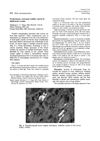
January 2025 in “Indian Journal of Dermatopathology and Diagnostic Dermatology” In this histopathology study of nevus sebaceus, researchers observed distinct epidermal, sebaceous, follicular, and apocrine changes, including sebaceous hyperplasia and basaloid adnexal proliferation, which help differentiate it from similar conditions like basal cell carcinoma and trichoblastoma.
 5 citations
,
September 1989 in “Journal of The American Academy of Dermatology”
5 citations
,
September 1989 in “Journal of The American Academy of Dermatology” This article reports that cocaine injections can lead to skin lesions containing talc crystals at the sites of injection.
12 citations
,
May 2023 in “Molecules” This study identified seven potential enzyme inhibitors from a Polygonum cuspidatum extract using ultrafiltration combined with high-performance liquid chromatography. These compounds showed inhibitory activity against tyrosinase, α-glucosidase, and xanthine oxidase, with most discovered in this extract for the first time.
May 2023 in “bioRxiv (Cold Spring Harbor Laboratory)” This study reported the first comprehensive transcriptome atlas of the extraorbital lacrimal gland in mice, identifying over 41 cell subclasses and revealing significant cell-cell communication networks, particularly among innate lymphoid cells.
 10 citations
,
April 2017 in “PLoS ONE”
10 citations
,
April 2017 in “PLoS ONE” This study reports that the white rhinoceros has a unique integumentary structure among large herbivores, characterized by thick epidermis, organized collagen bundles, and the presence of coiled sweat glands.
2 citations
,
January 2010 This study observed that different hair types on Tianzhu white yaks have similar ultrastructures, but coarse hair fibers show distinct structural differences across body parts.
119 citations
,
January 2000 in “British Journal of Dermatology” This study found that keratin expression patterns vary within nail unit structures, with the nail matrix uniquely expressing the acidic hair-type keratin Ha1.
2 citations
,
January 1973 in “ACTA HISTOCHEMICA ET CYTOCHEMICA” In this study, the brown skin of guinea pigs exhibited higher levels of certain biochemical markers related to melanogenesis compared to black and white skin, with distinct differences in ascorbic acid utilization and protein concentrations observed between regions.