Search
for
Sort by
Research
420-450 / 1000+ resultsresearch Nitroxide pharmaceutical development for age-related degeneration and disease
This review discusses the development and potential therapeutic effects of nitroxide small molecule agents for age-related macular degeneration and cardiovascular disease, but reports no new clinical results.

research Pharmacological activities of extracts from different parts of Cirsium japonicum var spinossimum
This study found that extracts from Cirsium japonicum var. spinossimum seeds are rich in polyphenols and flavonoids, demonstrating significant anti-inflammatory and cell proliferation effects in specific cell models, suggesting potential as a source for anti-inflammatory and anticancer agents.
research Effect of Leaves of Ginkgo biloba on Hair Regrowth in C3H Strain Mice
This study found that a 70% ethanolic extract from Ginkgo biloba leaves promotes hair regrowth in C3H mice.
research Ginsenoside Rb1 retards aging process by regulating cell cycle, apoptotic pathway and metabolism of aging mice
This study found that ginsenoside Rb1 treatment significantly reduced aging symptoms in mice by regulating cell cycle and apoptotic pathways, potentially linked to metabolic changes.

research Anti-inflammatory Effects in LPS-treated RAW 264.7 Cells and the Influences on Drug Metabolizing Enzyme Activities by the Traditional Herbal Formulas, Yongdamsagan-Tang and Paljung-san
This study suggests that combining finasteride with traditional herbal formulas Yongdamsagan-tang or Paljung-san may not interfere with drug metabolism while potentially enhancing anti-inflammatory effects for treating benign prostatic hyperplasia.

research A Natural Inhibitor, 1′S-1′-Acetoxychavicol Acetate, Against Testosterone-Induced Alopecia via NADPH Oxidase Regulation
This study found that 1′S-1′-acetoxychavicol acetate from Alpinia galanga inhibits Nox isozymes and suppresses testosterone-induced hair loss in a mouse model of androgenetic alopecia.

research A Review on Curcumin-Piperine Synergy in Alopecia: Phytochemical Profiling, Molecular Docking and Network Pharmacology Approaches
In this review, researchers explored the potential of a curcumin–piperine combination in alopecia management through computational analyses, highlighting its capacity to modulate multiple pathways involved in hair follicle homeostasis, although further experimental and clinical validation is necessary to confirm its efficacy.
research Pgc-1α controls epidermal stem cell fate and skin repair by sustaining NAD+ homeostasis during aging
This study identified a crucial role for epidermal Pgc-1α in regulating NAD+ signaling and influencing skin repair, with its dysfunction contributing to age-related wound healing defects.
research Microneedle-Based Codelivery of Platycladus orientalis -Derived Extracellular Vesicles and Minoxidil Nanoparticles for Androgenetic Alopecia Treatment
In this study, researchers developed a fast-dissolving microneedle patch delivering minoxidil nanoparticles and plant-derived vesicles, which improved hair regrowth and follicle health in a mouse model of androgenetic alopecia by reducing oxidative stress and inflammation without causing skin irritation or systemic toxicity.
research Studies on the effect of Betula platyphylla extract on human dermal papilla cell proliferation and its mechanism of action
In this study, Betula platyphylla extract, particularly fraction H3-2, promoted human derma papilla cell proliferation and increased expression of certain growth factors, suggesting potential benefits for hair loss prevention.

research Experimental Assessment of 3-meta-Pyridine-1,2,4-Oxadiazole Deoxycholic Acid Derivative as a Prototype of 5-α-Reductase Inhibitors in silico and in vivo Models
This study found that a new deoxycholic acid derivative may offer a similar prostatoprotective effect to finasteride with lower toxicity in rat models.

research Comparison between QR678 neo and platelet rich plasma for hair growth -A retrospective study
In this retrospective study, QR678 Neo, a biomimetic peptide treatment for androgenetic alopecia, improved hair density by 30% compared to 18% with platelet-rich plasma, with patients reporting higher satisfaction.

research An Innovative Herbal Hair Tonic Derived from Purslane (Portulaca oleracea) Extract
This study analyzed the phytochemical content of two Portulaca species and found that extracts from Portulaca oleracea L. and Portulaca grandiflora H. demonstrated suitable characteristics for hair tonic formulations, meeting Indonesian National Standards for cosmetic products.
research Expression of Peroxisome Proliferator Activated Receptors (PPARs) in Human Hair Follicles and PPARα Involvement in Hair Growth
This study found that PPAR alpha, -delta, and -gamma are expressed in human hair follicle cells, and clofibrate exhibited a beneficial effect on hair follicle survival in culture within a specific concentration range.
research Juniperus sabina L. as a Source of Podophyllotoxins: Extraction Optimization and Anticholinesterase Activities
This study reported that Juniperus sabina needle extract showed significant anti-butyrylcholinesterase activity, suggesting potential medicinal value due to high podophyllotoxin levels.
research MODIFICATION OF PINEAPPLE FIBER AND APPLICATION IN DRUG DELIVERY
This study reported that chemically modified cellulose from pineapple waste effectively created nanoparticles for minoxidil delivery with high encapsulation efficiency and prolonged release, potentially useful for androgenic alopecia treatment.
research A Prospective, Multicenter, Open-label Study to Evaluate the Safety and Efficacy of a Cream Containing Xyloglucan, Pea Protein, and Opuntia ficus-indica Extract Versus Calcipotriol/Betamethasone in Adult Patients with Mild-to-moderate Psoriasis.
This study found that an extract treatment showed similar efficacy and tolerability to calcipotriol/betamethasone ointment in reducing psoriasis severity and symptoms over 28 days in patients with mild-to-moderate plaque psoriasis.
research Bioguided Fraction and Isolation of the Antitumor Components fromPhyllanthus niruriL.
This study identified corilagin as a major antitumor component in Phyllanthus niruri, with broad-spectrum activity against cancer cells and high content in Dimocarpus longan.
research 013 Prostaglandin D2 enhances testosterone metabolism by ROS-mediated altered redox potential in keratinocytes
This study found that prostaglandin D2 increases testosterone production in human keratinocytes through a mechanism involving ROS and REDOX potential, which could inform treatments for androgenic alopecia.
research 549 Temporary cell cycle arrest in human scalp hair follicles and their epithelial stem cells by ALRN-6924: A novel strategy to selectively protect p53-wildtype cells against paclitaxel-induced alopecia
This study found that ALRN-6924, a clinical-stage dual inhibitor, can selectively protect human scalp hair follicles from paclitaxel-induced toxicity and damage by inducing transient cell cycle arrest in healthy cells without affecting cancer cells, potentially reducing chemotherapy-induced alopecia.
research Performance of Platycladus orientalis Leaves Yeast Fermented Solution on Human Dermal Papilla Cells
In this study, yeast fermentation of Platycladus orientalis leaves was shown to enhance hair growth-promoting properties by affecting cell cycle phases in human dermal papilla cells, increasing growth factor VEGF, reducing inflammatory factor TGF-β1, and altering the expression of Wnt/β-catenin pathway-related genes.
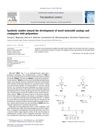
research Synthetic studies toward the development of novel minoxidil analogs and conjugates with polyamines
This article describes the synthesis of novel polyamine-modified minoxidil analogs and conjugates to potentially enhance minoxidil's biological activity, selectivity, and water solubility, but reports no new biological results.
research Biological actions of oligomeric procyanidins: Proliferation of epithelial cells and hair follicle growth
This article discusses methods to evaluate hair growth stimulants and reports no new clinical results; the authors highlight the need for more precise identification of stem cell sites in hair follicles.

research Effect of topical naringenin and its combination with minoxidil on enhancing hair growth in a mouse model.
This study found that treating mice with naringenin, alone or combined with minoxidil, significantly increased hair growth and follicle diameter and quantity, likely due to its antioxidant and anti-inflammatory properties.
research Avicequinone C Isolated from Avicennia marina Exhibits 5α-Reductase-Type 1 Inhibitory Activity Using an Androgenic Alopecia Relevant Cell-Based Assay System
This study found that the methanolic heartwood extract of Avicennia marina significantly inhibits 5α-reductase type 1, reducing 5α-DHT production by 52% in a cell-based assay with human hair dermal papilla cells.
research Peperomia pellucida's Ingredients, Antioxidant Properties, and Safe Usage as Food and Herbal Medicine
This study found that Peperomia pellucida, a plant traditionally consumed in some countries, contains various antioxidants and extends lifespan under oxidative stress in Drosophila, with no observed toxicity in mice, supporting its potential safety and use in foods and pharmaceuticals.
research Comparative effects of Pistacia atlantica leaf and phenytoin ointment on rat skin wound healing: histopathological changes and bioactive compounds
This study found that a 25% Pistacia atlantica leaf extract ointment significantly enhanced wound healing in rats, performing comparably to phenytoin in terms of epithelialization, angiogenesis, and collagen deposition, with reduced inflammation, suggesting it may be a safe and effective alternative for wound management.
research Nutraceuticals as anti-angiogenic agents: hopes and reality.
This paper reviews the potential of various bioactive plant compounds, including resveratrol and curcumin, for modulating angiogenesis but presents no new clinical results.
research Utilization of Nutgrass Extract (Cyperus rotundus L L.) as a Natural Ingredient for Hair Growth: Literature Review
This literature review suggests that Cyperus rotundus L extract shows promise as a natural hair growth agent due to its bioactive compounds and mechanisms that stimulate hair growth, although more human clinical trials are needed to confirm its safety and efficacy.