 1 citations
,
January 2025 in “Frontiers in Pharmacology”
1 citations
,
January 2025 in “Frontiers in Pharmacology” This review discusses the therapeutic and pharmacological potential of total glucosides of paeony in dermatological treatment and notes the need for more rigorous scientific studies.
 1 citations
,
January 2024 in “Theranostics”
1 citations
,
January 2024 in “Theranostics” This source reviews the role of exosomes in regenerative medicine, highlighting their ability to mediate cell communication and transport biomolecules to enhance or impair biological functions, with potential applications in tissue repair and regeneration.
 1 citations
,
October 2023 in “European journal of histochemistry”
1 citations
,
October 2023 in “European journal of histochemistry” This study demonstrated that treating platelet-rich plasma with ozone or procaine in vitro led to distinct changes in platelet activity, significantly enhancing the release of platelet-derived factors without damaging the platelets, indicating potential for improved regenerative therapies.
 1 citations
,
December 2022 in “bioRxiv (Cold Spring Harbor Laboratory)”
1 citations
,
December 2022 in “bioRxiv (Cold Spring Harbor Laboratory)” This study investigated pangolin skin genetics, finding that while sweat gland-related genes are not inactivated, several genes related to sebaceous gland function are, which highlights complex evolutionary adaptations in mammalian skin.

This study found that Plakophilin 1 regulates innate immune responses in keratinocytes by controlling RNA helicase activity, balancing inflammation during epidermal immune challenges.
 April 2026 in “Frontiers in Cell and Developmental Biology”
 This literature review suggests that hair cell loss in hearing loss is often secondary to preceding morphological and functional defects in hair cells, indicating that interventions should focus on hearing preservation before significant hair cell loss occurs.
 March 2026 in “Trends in Sciences”
 This review suggests that while platelet-rich plasma has the most robust clinical evidence, platelet-rich fibrin and concentrated growth factors are gaining favor due to their ease of use and absence of additives.
 February 2026 in “American Journal of Clinical Dermatology”
 This source discusses how radiotherapy-induced skin fibrosis, a chronic side effect affecting cancer survivors' quality of life, is driven by ongoing inflammation and fibroblast activity, and emphasizes the need for comprehensive dermatologic management and better diagnostic tools.
 December 2025 in “Nature Communications”
 In this study using mouse models, researchers found that elevated IL-17a in aged olfactory epithelium impairs olfactory function, while IL-17a inhibition promotes regeneration and mitigates age-related decline.
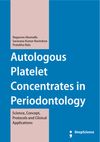
In this book, the authors provide an accessible overview of platelet concentrates and their dental applications, highlighting their role in tissue healing and regeneration, and reviewing recent studies on their efficacy in periodontal therapy, implant dentistry, and oral surgery.
 December 2025 in “Scientific Reports”
 In this study, researchers observed that DHEA-induced PCOS rats experienced significant changes in gut microbiota and metabolic profiles, particularly affecting steroid and lipid metabolism, suggesting the gut-ovary axis may play a role in the pathogenesis of PCOS.
 December 2025 in “Frontiers in Veterinary Science”
 In this study, researchers explored hair follicle development in Qianhua Mutton Merino sheep, identifying key genes like KRT27 and IGF-2 that impact this process, with findings suggesting significant molecular changes as sheep mature from newborn to one year old.
 December 2025 in “Nature Communications”
 This study demonstrated that skin organoids derived from human stem cells can model cutaneous tuberculosis, revealing that fibrosis development in Mycobacterium tuberculosis-infected organoids is linked to the PI3K-AKT and AP1 pathways in fibroblasts, and suggesting the potential for antifibrotic treatment evaluation.
 November 2025 in “Frontiers in Veterinary Science”
 In this study, feeding H-line chickens a diet with 1.0% tyrosine for 40 days significantly increased melanin deposition in feathers and revealed changes in gene expression related to melanin pathways, suggesting tyrosine's involvement in regulating feather color through the EDNRB2 regulatory network.

In this study, researchers analyzed the chemical constituents of male and female Gynostemma longipes plants and different parts like roots and leaves, identifying significant variations in metabolites which could aid in assessing and selecting quality medicinal materials.

This study successfully established a functionally stable immortalized sheep granulosa cell line (GCs-SV40T-GFP) that can passaged up to 50 generations, maintaining morphological stability and estradiol secretion, offering a valuable model for research into animal reproductive function and hormone regulation.

This study discovered that in *Drosophila*, knockdown of specific storage proteins in adipocytes decreased germline stem cell maintenance, implicating a role for these proteins in adult tissue regulation.
 August 2025 in “Animal Bioscience”
 In this study, researchers examined the methylation patterns in the skin tissues of Alpine Merino sheep with varying wool fiber diameters, finding that specific methylated RNAs linked to the Wnt, Notch, and TGF-ẞ signaling pathways may influence fiber diameter and potentially improve wool quality.
 June 2025 in “International Journal of Nephrology and Renovascular Disease”
 This study suggests that PLA2R1 overexpression in PMN affects the podocyte cycle and may involve an additional immune response, which could provide new directions for PMN treatment development.
 January 2025 in “il Diabete”
 This study explores potential strategies for targeted drug delivery specifically to pancreatic beta-cells in type 2 diabetes treatment, highlighting methods for inducing drug expression in beta-cells, suitable drug carriers, active targeting peptides, and optimal administration routes.
 December 2024 in “Frontiers in Veterinary Science”
 This study on Dorper sheep identified important genetic factors influencing hair follicle development, finding that expression patterns and genes like DBI, FZD3, and ZDHHC21 play a crucial role in wool shedding, which could help improve understanding of mammalian skin-related traits and human hair advancement.
 August 2024 in “Life Science Alliance”
 This study found that topical application of TGF-β mimic promoted enhanced wound healing and tissue regeneration in mice, suggesting its potential as a therapeutic option for improving wound healing.
 February 2024 in “Digital Library of Theses and Dissertations (Universidade de São Paulo)”
 This study demonstrated that using a mass spectrometry imaging technique, researchers were able to visualize the incorporation of argan, avocado, and coconut oils into hair fibers, suggesting their potential in cosmetic and alopecia treatments by confirming oil absorption and fiber modification.
 January 2024 in “bioRxiv (Cold Spring Harbor Laboratory)”
 In this study, the researchers found that deleting ceramide synthase 4 in the skin's epidermis alters stem cell differentiation, disrupting hair follicle structure and barrier function, potentially leading to immune responses similar to atopic dermatitis.
 January 2024 in “Bright Sky Publications eBooks”
 This study investigated the prevalence of Helicobacter pylori in patients with gastritis in Southern Iraq, but the abstract does not report any specific results.
 November 2023 in “Linköping University medical dissertations”
 This research presents a comprehensive workflow for producing EMA-compliant autologous keratinocyte-based therapies for wound healing and explores miRNA-mediated regulations in human keratinocytes and adipose-derived mesenchymal stem cells.
 July 2023 in “Frontiers in veterinary science”
 In this study, researchers analyzed skin samples from Dorper sheep to identify 395 differentially expressed long non-coding RNAs (lncRNAs) linked to hair follicle growth phases, suggesting these lncRNAs may play a role in the regulation of hair shedding through pathways like estrogen and PI3K-Akt signaling.
 February 2023 in “Research Square (Research Square)”
 This study reports that a new mouse model with a CARD14 mutation successfully mimics key human PRP symptoms, and anti-IL-17A antibody significantly reduces these symptoms.
 December 2022 in “theses.fr (ABES)”
 This study found that microplastics on the Lebanese Mediterranean coast transport various organic and inorganic pollutants, posing threats to marine organisms and potentially human health.

This study demonstrated that cryogelation of human hair keratin allows the development of 3D scaffolds with tunable properties, supporting cell adhesion and proliferation for potential biomedical applications.