December 2025 in “eTheses of Maulana Malik Ibrahim State Islamic University (Maulana Malik Ibrahim State Islamic University)” In this laboratory study, the researchers reported that an ethnomedicinal hair growth formula from East Nusa Tenggara, incorporating Kemiri, Kembang sepatu, Beringin, Mangkokan, and Waru, demonstrated significant antioxidant activity and effectively stimulated hair growth, suggesting potential development as a natural cosmeceutical.
 1 citations
,
May 2020 in “bioRxiv (Cold Spring Harbor Laboratory)”
1 citations
,
May 2020 in “bioRxiv (Cold Spring Harbor Laboratory)” This study found that D-peptide crosslinked MAP hydrogels accelerate skin regeneration and promote adaptive immunity, despite faster scaffold degradation in vivo.
 January 2025 in “International Journal of Zoological Investigations”
 In laboratory tests, this study found that aqueous extracts of Myristica fragrans showed significant membrane stabilization, suggesting its potential as an anti-inflammatory agent, though further research is needed to confirm its pharmacological application.
This study found that anise ethanol extract at 10% and 20% doses positively influenced hair growth in mice, showing effects similar to Minoxidil.
September 2021 in “Crop research/Crop Research” This study reported that a biotin-rich nutrition bar stored in aluminum foil packaging showed reduced bacterial growth and remained edible for 30 days compared to other packaging materials.
October 2025 in “Burns & Trauma” This review highlights recent advancements in engineered probiotics for wound healing, reporting that genetically engineered strains of Lactobacillus reuteri and Lactococcus cremoris have shown promise in promoting faster wound healing in pre-clinical and clinical settings, particularly for diabetic foot ulcers.
29 citations
,
August 2020 in “Parasitology” This review found that tea tree oil, especially terpinen-4-ol, may be the most effective treatment for Demodex-related diseases, but more research is needed to improve treatment efficacy and reduce side effects.
In this study, topical application of piperonylic acid was observed to accelerate wound healing in mice by enhancing EGFR activation, keratinocyte modulation, and collagen deposition, suggesting its potential as a treatment for skin injuries.
 January 2024 in “Middle East Journal of Applied Science & Technology”
 This study formulated and evaluated a polyherbal body lotion using neem, tulsi, and aloe vera extracts, finding it met satisfactory physicochemical standards and was well received by users for skin smoothness and hydration without causing allergies.
3 citations
,
April 2016 in “Research and reports in urology” In a cell-free test setting, this study found that a novel saw palmetto extract effectively inhibited the 5α-reductase type II enzyme, showing promising bioactivity comparable to finasteride for promoting prostate health.
December 2025 in “Brazilian Journal of Chemical Engineering”  3 citations
,
October 2018 in “Archives of Dermatological Research”
3 citations
,
October 2018 in “Archives of Dermatological Research” This study suggests that the InlB321/15 protein may accelerate wound healing by increasing cell proliferation and reducing wound closure time in both cell culture and mouse models.
 September 2011 in “Clinical Biochemistry”
 The demineralized bone matrix scaffold is better for cell attachment than the mineralized bone allograft.
November 2025 in “OPAL (Open@LaTrobe) (La Trobe University)” In this study, researchers developed a hierarchically engineered microreactor that effectively combats infected wounds by releasing antimicrobials at acidic sites, eradicating MRSA while avoiding resistance, and enhancing tissue repair through immune system modulation.
April 2022 in “Jurnal Penelitian Farmasi dan Herbal” In this study, hair tonic containing 15% patchouli leaf extract showed the greatest hair growth in rabbits, with higher concentrations leading to faster regrowth.
 9 citations
,
December 2024 in “Nano Research”
9 citations
,
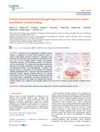
December 2024 in “Nano Research” In a study on diabetic mice, researchers developed a protein-based hydrogel that leverages zinc ions and the natural compound phellopterin to promote cutaneous nerve regeneration, angiogenesis, and tissue remodeling in diabetic wounds, highlighting its potential for advanced wound therapy.
3 citations
,
September 2018 in “Current Drug Delivery” This study found that a finasteride topical gel formulation using propylene glycol and Tween® 80 showed significantly enhanced permeation compared to a control formulation without these enhancers.
 11 citations
,
May 2010 in “Journal of Medicinal Chemistry”
11 citations
,
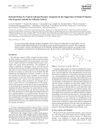
May 2010 in “Journal of Medicinal Chemistry” This study introduced a novel nonsteroidal androgen receptor antagonist that effectively controls sebum production in the golden Syrian hamster ear model through targeted follicular delivery.
 10 citations
,
April 2019 in “Journal of Analytical Science and Technology”
10 citations
,
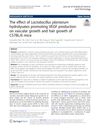
April 2019 in “Journal of Analytical Science and Technology” In this study, hydrolysates of lactic acid bacteria were found to enhance hair growth in C57BL/6 male mice more effectively than 5% minoxidil.
2 citations
,
November 2023 in “Laboratory Animal Research” In this study, the combination of conditioned medium from human adipose-derived stem cells and photobiomodulation significantly enhanced wound healing in type 2 diabetic rats compared to using either treatment alone, with particularly superior results in wound strength and new blood vessel formation.
 19 citations
,
November 2017 in “Journal of Pharmaceutical Sciences”
19 citations
,
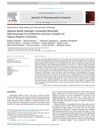
November 2017 in “Journal of Pharmaceutical Sciences” This research investigated aqueous alginate-based hydrogels for delivering minoxidil and reported that using hydroxypropyl-β-cyclodextrin (HP-β-CD) with molar substitution 0.65 significantly enhanced minoxidil's solubility and skin permeability without damaging the epidermis, suggesting potential as an alternative to commercial minoxidil solutions.
12 citations
,
July 1993 in “In Vitro Cellular & Developmental Biology - Animal” Minoxidil enhances hair growth and preserves the root sheath in cultured follicles.
 15 citations
,
December 2015 in “Textile Research Journal”
15 citations
,
December 2015 in “Textile Research Journal” This study describes the development of polyamide 6 composite fibers with amber filler, finding them suitable for use in medical textiles such as compression garments due to their biocompatibility with skin cells.
May 2021 in “bioRxiv (Cold Spring Harbor Laboratory)” This study found that calprotectin induces complex multi-metal starvation responses in Pseudomonas aeruginosa, affecting its metal homeostasis pathways and resistance to polymyxin B.
January 2021 in “Medical research archives” In this study, researchers examined a new propylene glycol-free 5% minoxidil lotion for 6 months among individuals with androgenic alopecia and found it demonstrated good clinical efficacy, with 74% showing a positive response, and very high cosmetic acceptability and tolerability, comparable to traditional formulations.
3 citations
,
January 2010 in “PubMed” This case study reports that a police dog's pododemodicosis lesions resolved completely six months after a treatment regimen of ivermectin, antibacterial drugs, and beta-glucan.
 August 2026 in “Zenodo (CERN European Organization for Nuclear Research)”
 The researchers reported that a coconut oil-based polyherbal hair oil developed using traditional medicinal plants demonstrated satisfactory physicochemical properties, including stability and pH suitability for scalp application, though further biological evaluation is needed to confirm therapeutic effects.
46 citations
,
July 2010 in “Advances in Therapy” SPET-085 effectively inhibits an enzyme linked to prostate issues, similar to finasteride.
August 2026 in “Pharmacological Research - Modern Chinese Medicine” In this study, topical applications of Agrimonia pilosa extract and agrimonolide demonstrated notable anti-inflammatory and wound healing benefits in animal models, significantly reducing inflammation and enhancing wound closure compared to controls. However, further research in humans is needed to confirm these preclinical findings.
This study reported that a topical hair tonic containing a 7.5% talok leaf and 2% pare leaf extract combination promoted hair growth in female Wistar rats similarly to minoxidil, showing a 64.71% increase in hair growth with no significant difference from minoxidil in statistical analysis.