 February 2024 in “Buletin Veteriner Udayana”
 In this case report, treatment with ivermectin, antihistamines, vitamin B complex, and sulfur soap reduced skin lesions and itching in a 5-month-old dog diagnosed with demodecosis after 14 days.
 August 2019 in “International journal of current microbiology and applied sciences”
 This study found that among 86 skin scrapings from various dog breeds with ringworm lesions, Microsporum species were the predominant fungal infection, with Labradors showing the highest infection rate. Miconazole was most effective in antifungal susceptibility tests.
 December 2023 in “Asian journal of medical sciences”
 This study from S.C.B. Medical College explored the clinico-etiological and histopathological patterns of erythroderma, observing psoriasis as the most common cause, followed by idiopathic cases and atopic or drug-induced dermatitis, highlighting the need for careful management and awareness of alternative medicine use.
 May 2015 in “Journal of The American Academy of Dermatology”
 A heart transplant patient developed a skin condition called epidermodysplasia verruciformis after taking immune-suppressing drugs.
 February 2018 in “BMJ case reports”
 This case report describes an 18-year-old woman with a pruritic rash featuring extensive confluent scaly erythema, hyperkeratotic follicular plugging, and waxy keratoderma on palms and soles.
 December 2016 in “John Wiley & Sons, Ltd eBooks”
 This chapter reviews disorders of skin appendages including miliaria, acne, and alopecia, providing guidance on management and treatment but does not present new clinical findings.
 18 citations
,
September 1990 in “Veterinary Dermatology”
18 citations
,
September 1990 in “Veterinary Dermatology” This study in SPF lambs found that primary and secondary orf virus infections trigger similar skin responses, but the primary infection caused a more severe and prolonged reaction.
12 citations
,
March 2021 in “JAAD Case Reports” This study reported that immunotherapy in cancer patients can lead to skin-related immune adverse events, such as rashes, pruritus, and vitiligo, affecting a substantial proportion of patients.
 36 citations
,
September 1999 in “Toxicologic pathology”
36 citations
,
September 1999 in “Toxicologic pathology” This study suggests that hairless dogs' skin shows sensitivity to topical corticosteroids, highlighting their potential as a model for studying the efficacy and adverse effects of these treatments on skin.
33 citations
,
October 2014 in “Veterinary Dermatology” This review discusses the molecular biology, diagnosis, and pathology of epidermolysis bullosa in animals and reports no new clinical findings.
 4 citations
,
March 2017 in “Journal of evolution of medical and dental sciences”
4 citations
,
March 2017 in “Journal of evolution of medical and dental sciences” This study observed that pruritus and xerosis were the most common skin complaints among the geriatric population attending a dermatology clinic in Puducherry.
 May 2025 in “International Journal For Multidisciplinary Research”
 In this study, veterinary examinations of 150 domestic canines and felines revealed that M. canis was the predominant dermatophyte, affecting 9 cats and 9 dogs, with dogs showing more severe lesions and higher neutrophil counts in the cytological analysis.
 July 2022 in “Dermatology Reports”
 This report details a case of a 58-year-old male diagnosed with erosive pustular dermatosis of the scalp, which improved following 3-5 weeks of treatment with topical clobetasol proprionate.
1 citations
,
May 2024 in “Dermatology Online Journal” In this case study, two middle-aged patients with pruritic scalp erosions were diagnosed with localized pemphigus vulgaris, which resolved without relapse after treatment with low-dose oral prednisone and intralesional triamcinolone acetonide.
1 citations
,
March 2006 in “Journal of Cosmetic Dermatology” This case report describes a 79-year-old woman whose skin lesions were attributed to a cosmetic product, with complete resolution following mechanical removal of material and metronidazole treatment.
July 2026 in “International Journal of Veterinary Sciences and Animal Husbandry” This case report highlights the successful treatment of a sheep with ovine bacterial dermatitis, emphasizing the importance of laboratory confirmation and antimicrobial susceptibility-guided therapy, which led to complete clinical recovery within three weeks.
 May 2023 in “Frontiers in veterinary science”
 This study describes the successful treatment of erythema multiforme in a young Central American tapir with a combination of wound care, silver sulfadiazine cream, and oral prednisolone, emphasizing the importance of diagnostic testing for vesicular dermatitis syndromes in tapirs.
 9 citations
,
March 2017 in “JAAD Case Reports”
9 citations
,
March 2017 in “JAAD Case Reports” This case report describes erosive pustular dermatosis of the scalp triggered by contact dermatitis from a glued-on hair piece, marking the first instance of this specific cause.
January 2023 in “Zenodo (CERN European Organization for Nuclear Research)” In this case report, an 8-month-old pug with poor health and skin issues was treated effectively for mixed infections, resulting in complete recovery after 60 days.
 19 citations
,
May 2005 in “Archives of Environmental & Occupational Health”
19 citations
,
May 2005 in “Archives of Environmental & Occupational Health” This study found that skin diseases were common among male Latino poultry-processing workers in North Carolina, with all workers diagnosed with at least one condition, affecting their quality of life.
 January 2022 in “International journal of zoology and animal biology”
 This review discusses canine dermatomyositis, highlighting its genetic basis, clinical manifestations, and the need for improved treatment options, without reporting new findings.
187 citations
,
May 1979 in “British Journal of Dermatology” In this report, six elderly women with a novel pustular dermatosis of the scalp experienced chronic lesions unresponsive to antibiotics but were effectively managed with potent topical steroids.
 6 citations
,
January 2015 in “Journal of the American Veterinary Medical Association”
6 citations
,
January 2015 in “Journal of the American Veterinary Medical Association” A 7-year-old dog with a rare autoimmune disease was euthanized due to severe anemia and poor prognosis.
This article highlights the importance of early diagnosis and management of certain cutaneous adverse drug reactions and autoimmune disorders in dermatological emergencies, but it reports no new clinical results.
 3 citations
,
July 2004 in “SKINmed/Skinmed”
3 citations
,
July 2004 in “SKINmed/Skinmed” This case study describes a 4-year-old girl's diagnosis of erythrokeratodermia variabilis despite various ineffective treatments, highlighting a rare skin condition with persistent symptoms.
3 citations
,
January 2016 in “CES Medicina Veterinaria y Zootecnia” This review discusses the nutritional causes of dermatologic diseases in small animals and reports no new clinical results, emphasizing the importance of recognizing and treating these conditions in veterinary practice.
January 2024 in “Veterinary Science and Medicine Journal” In this case report, a 1.5-year-old Pomeranian named Beb with respiratory and skin issues was diagnosed with pneumonia and demodecosis; following a two-week treatment including antibiotics, ivermectin, and supportive care, Beb's symptoms resolved, and hair regrowth was observed.
 January 2018 in “Advances in Dermatology and Allergology”
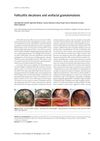
 Treatment with dapsone, topical corticosteroids, and antibiotics improved the man's skin conditions.
2 citations
,
January 2016 in “Journal of clinical & experimental dermatology research” This case report describes a child with acrodermatitis enteropathica showing dramatic improvement with oral zinc therapy, highlighting the importance of early diagnosis and treatment to prevent severe outcomes.
December 2021 in “Meditsinskiy sovet = Medical Council” This case study describes the experience of using dermatocosmetic products to manage radiation dermatitis in a patient, but it reports no new clinical results.