 4 citations
,
April 2024 in “Cellular and Molecular Biology”
4 citations
,
April 2024 in “Cellular and Molecular Biology” In this study, injectable platelet-rich fibrin (i-PRF) was found to enhance the proliferative, migratory, and hair-inducing abilities of dermal papilla cells more effectively than platelet-rich plasma through the TGF-β/Smad pathway.
 7 citations
,
March 2011 in “Hormone and Metabolic Research”
7 citations
,
March 2011 in “Hormone and Metabolic Research” This study found that in PCOS patients, variations in the lipin 1 gene, particularly the intron 1 SNP, may protect against insulin resistance and glucose intolerance, highlighting a potential genetic factor in the disorder's cardiometabolic complications.
11 citations
,
October 2014 in “Gene” In this study, researchers characterized the FGF5 gene in Chinese Merino sheep, identified a new mRNA splicing variant, FGF5S, and noted its restricted expression in the brain, spleen, and skin.
 April 2012 in “Informa Healthcare eBooks”
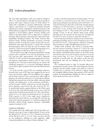
 Lichen planopilaris is a rare, chronic condition causing hair loss, mainly in middle-aged women, and early treatment is important to prevent permanent baldness.
58 citations
,
March 2019 in “Frontiers in Pharmacology” This study found that wedelolactone from Eclipta prostrata L. significantly reduced lung inflammation and fibrosis in mice with bleomycin-induced pulmonary fibrosis, suggesting potential therapeutic benefits through AMPK activation.
10 citations
,
January 2020 in “Journal of Materials Chemistry B” This study developed a biodegradable nanofibrous biofilm that attracts skin-related cells and accelerates blood vessel formation, potentially improving skin wound healing.
 September 2016 in “Journal of Dermatological Science”
 This study found that epidermal-specific deletion of aPKCλ in mice disrupted hair follicle stem cell quiescence and regeneration, leading to abnormal hair cycling and skin changes.
 November 2022 in “The journal of investigative dermatology/Journal of investigative dermatology”
 In this case study, a 26-year-old female with PLEC mutations and features of muscular dystrophy and myasthenia gravis showed significant improvement in symptoms following steroid treatment.
 May 2022 in “Benha Journal of Applied Sciences”
 This study found that programmed death-ligand 1 (PD-L1) levels correlated with the severity of alopecia areata, suggesting its potential as an indicator and possible target for new treatments.
January 2026 in “Case Reports in Dermatological Medicine” This report identified a family of Iranian siblings with diverse clinical forms of Lichen Planus, suggesting potential genetic and environmental involvement in its pathogenesis.
 September 2022 in “British Dental Journal”
 Platelet-rich fibrin is becoming popular for medical and cosmetic uses like hair growth and natural fillers.
35 citations
,
January 2020 in “Journal of the American Academy of Dermatology” Avoiding certain allergens in personal care products may improve symptoms for some patients with lichen planopilaris or frontal fibrosing alopecia.
 April 2016 in “Journal of Investigative Dermatology”
 In this study, ALP knockdown significantly impaired the hair follicle-inducing capacity of human dermal papilla spheres, highlighting a critical role for ALP in hair follicle neogenesis.
September 2020 in “Research Square (Research Square)” This study found that PD-MSCs overexpressing PRL-1 inhibited adipogenesis in orbital fibroblasts from Graves' ophthalmopathy patients by modulating key signaling pathways, suggesting a novel therapeutic approach for degenerative diseases.
 June 2026 in “Journal of General-Procedural Dermatology & Venereology Indonesia”
 This study concluded that oral tofacitinib significantly improved symptoms in patients with lichen planus pigmentosus who did not respond to conventional treatments, showing it as a viable alternative.
 11 citations
,
July 2016 in “Endocrinology”
11 citations
,
July 2016 in “Endocrinology” This study found that higher Lnk expression in PCOS patients may contribute to insulin resistance by inhibiting insulin signaling pathways.
January 2013 in “Scholarworks (University of Massachusetts Amherst)” This dissertation reveals that FERONIA, a cell wall-binding receptor kinase, plays a crucial role in regulating plant functions such as sugar signaling, pollen tube reception, and RAC/ROP-mediated auxin signaling.
1 citations
,
January 2020 in “Indian journal of dermatology, venereology, and leprology” This study found that the expression of CD117 and platelet-derived growth factor receptor α differs in alopecia areata tissue compared to normal controls, with platelet-derived growth factor receptor α correlating with disease severity.
January 2025 in “SSRN Electronic Journal”  April 2017 in “Journal of Investigative Dermatology”
 This study suggests that sirolimus and propranolol may reduce abnormal lymphatic endothelial cell proliferation in lymphatic malformations, potentially improving vessel function and patient outcomes.
51 citations
,
September 2000 in “Acta dermato-venereologica” This study found that PPAR alpha, -delta, and -gamma are expressed in human hair follicle cells, and clofibrate exhibited a beneficial effect on hair follicle survival in culture within a specific concentration range.
 18 citations
,
October 2021 in “Frontiers in Physiology”
18 citations
,
October 2021 in “Frontiers in Physiology” This review summarizes recent research on the molecular properties and functions of L-PGDS and PGD2, but reports no new findings, highlighting their pathophysiological roles and guiding future studies.
 38 citations
,
January 2016 in “Cell Death and Disease”
38 citations
,
January 2016 in “Cell Death and Disease” This review discusses the role of the TCL1 transgenic mouse model in understanding chronic lymphocytic leukemia biology and highlights the importance of exploring new pathogenetic and therapeutic targets.
9 citations
,
October 2022 in “Journal of Molecular Neuroscience” This study reports a novel LSS gene mutation in an Egyptian family with alopecia intellectual disability syndrome 4, expanding the known clinical and genetic features of the condition.
220 citations
,
June 2013 in “The Journal of Pathology” This study found that immune privilege collapse in the hair follicle bulge and associated immune responses may contribute significantly to the pathogenesis of lichen planopilaris, suggesting a potential autoimmune basis for the disease.
 15 citations
,
August 2019 in “Dermatologic Therapy”
15 citations
,
August 2019 in “Dermatologic Therapy” This letter details a case report on platelet-rich plasma treatment for a patient with treatment-resistant frontal fibrosing alopecia, but it does not provide new clinical results.
10 citations
,
July 2019 in “Advances in Wound Care” This study suggests that Flightless I may inhibit the activation of epidermal stem cells during wound repair by disrupting Wnt/β-catenin signaling, potentially delaying wound reepithelialization.
 7 citations
,
August 2020 in “Animal biotechnology”
7 citations
,
August 2020 in “Animal biotechnology” This study found that lncRNA-599547 positively regulates the expression of the Wnt10b gene by interacting with miR-15b-5p, enhancing the inductive property of dermal papilla cells in cashmere goats.
1 citations
,
November 2022 in “Journal of Investigative Dermatology” This study found that ALRN-6924, a clinical-stage dual inhibitor, can selectively protect human scalp hair follicles from paclitaxel-induced toxicity and damage by inducing transient cell cycle arrest in healthy cells without affecting cancer cells, potentially reducing chemotherapy-induced alopecia.
1 citations
,
December 2021 in “Development & Reproduction” This study found that FPR2 knockout mice experienced excessive hair loss and abnormal hair follicle structures, suggesting FPR2's protective role in hair regeneration through stem cell activity regulation.