 33 citations
,
February 2019 in “Journal of Tissue Engineering and Regenerative Medicine”
33 citations
,
February 2019 in “Journal of Tissue Engineering and Regenerative Medicine” This review discusses the use of platelet-rich plasma for various dermatological conditions and highlights the need for more research to standardize its protocols and understand its biological mechanisms.
1 citations
,
July 2025 in “PubMed” This pilot study found that cord blood platelet-rich plasma treatment was safe and improved symptoms and sexual function in women with vulvar lichen sclerosus after standard topical corticosteroid treatment.
3 citations
,
September 2023 in “Stem Cell Research & Therapy” In this study, researchers successfully generated functional and long-lived melanocytes from human embryonic stem cells, demonstrating their biocompatibility and high engraftability in mice, which may aid in developing treatments for pigmentary skin disorders.
13 citations
,
June 2012 in “European journal of medical genetics” In this study, researchers observed monochorionic diamniotic twins with discordant clinical phenotypes, where one had high-grade trisomy 12p mosaicism in certain tissues, while the other showed confined mosaicism likely due to twin-to-twin transfusion.
 January 2025 in “International Research Journal of Innovations in Engineering and Technology”
 This review discusses the biological mechanisms, preparation techniques, and clinical applications of platelet-rich plasma therapy, highlighting its variable outcomes and potential improvements for efficacy and standardization; it reports no new clinical results.
 3 citations
,
March 2012 in “Actas Dermo-Sifiliográficas”
3 citations
,
March 2012 in “Actas Dermo-Sifiliográficas” An elderly man with skin amyloidosis and abnormal blood proteins was monitored without finding widespread disease after 18 months.
 April 2023 in “The Egyptian Journal of Hospital Medicine”
 The study found that intralesional injection of platelet-rich plasma appears safe and may be effective for treating post-burn scars, with shorter scar durations showing better results.
8 citations
,
January 1977 in “Acta Haematologica” This study found that the PVP protocol, combining Peptichemio, vincristine, and 6-methylprednisolone, resulted in remission for diffuse non-Hodgkin's lymphomas with moderate side effects.
 23 citations
,
January 2024 in “Nature Immunology”
23 citations
,
January 2024 in “Nature Immunology” This study, using multimodal profiling in mice, found that various tissues contain unique γδ T cell subsets adapted to their environment, revealing their functional diversity, lineage relationships, and similarities to CD8+ tissue-resident memory T cells.
2 citations
,
November 2025 in “Biomedicines” This review explores how platelet- and marrow-derived biologics like PRP and BMAC exhibit both regenerative and antimicrobial properties useful in musculoskeletal conditions and wound healing, though their clinical outcomes are affected by preparation inconsistencies and lack of standardized protocols.
115 citations
,
August 2020 in “International Journal of Molecular Sciences” This systematic review indicates that a platelet-rich plasma concentration of 1.0 × 10^6 plt/μL may be optimal for tissue regeneration due to sufficient nutrition supply and effective growth factor diffusion in vivo.
 9 citations
,
April 2021 in “Frontiers in Immunology”
9 citations
,
April 2021 in “Frontiers in Immunology” This review discusses the role and mechanisms of unconventional lymphocytes in promoting tissue repair and maintaining mucosal barrier integrity in the skin, gut, and lungs, but reports no new findings.
 119 citations
,
January 2014 in “Indian Journal of Dermatology, Venereology and Leprology”
119 citations
,
January 2014 in “Indian Journal of Dermatology, Venereology and Leprology” This review discusses the use of platelet-rich plasma in various dermatological applications and reports no new clinical results; the authors call for more rigorous trials to confirm its effectiveness.
2 citations
,
September 2024 in “PLoS ONE” This study suggests that combining bendamustine with tucidinostat may improve survival in patients with relapsed or refractory adult T-cell leukemia/lymphoma, highlighting its potential for clinical investigation.
1 citations
,
March 2023 in “Pharmaceutics” This study found that PBMCsec has anti-fibrotic effects on mouse and human skin scars by regulating pro-fibrotic gene expression and inhibiting myofibroblast differentiation and elastic fiber breakdown.
 February 2026 in “Frontiers in Pharmacology”
 This study found that injecting PRP gel derived from a patient's own blood may promote tissue regeneration and closure of intestinal fistulas unresponsive to conservative therapy.
 April 2020 in “bioRxiv (Cold Spring Harbor Laboratory)”
 In this study, researchers found that in growing skin tissue, epidermal wound healing occurs at the expense of normal skin development, as it impairs hair follicle growth and does not activate tissue morphogenesis genes.
2 citations
,
May 2023 in “Indian Journal of Dermatology Venereology and Leprology” A new genetic mutation in the CAST gene may link PLACK syndrome to alopecia areata.
 9 citations
,
May 1989 in “Journal of the Royal Society of Medicine”
9 citations
,
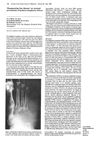
May 1989 in “Journal of the Royal Society of Medicine” An elderly woman's swollen, painful foot was found to be caused by a rare type of bone lymphoma, which improved with radiation treatment.
6 citations
,
August 2025 in “Frontiers in Bioengineering and Biotechnology” This review discusses the evolution of platelet concentrates in regenerative medicine, highlighting a proposed function-driven classification that distinguishes three generations of PCs by biological activity rather than development order, with third-generation exosome-based therapies showing superior therapeutic efficacy over earlier formulations.
6 citations
,
May 2002 in “British journal of dermatology/British journal of dermatology, Supplement” This case study suggests a possible rare follicular variant of neutrophilic dermatosis linked to myelogenous leukemia, where skin lesions improved following chemotherapy treatment.
September 2021 in “Ukraïnsʹkij žurnal medicini, bìologìï ta sportu” This study found that in patients with alopecia areata, platelet-rich plasma therapy reduced elevated levels of interleukin-17A and interleukin-2 to control levels after 17 months.
This review explores the clinical applications of platelet rich plasma therapies across several fields and suggests potential future research directions for cord blood platelet rich plasma.
November 2025 in “Contribuciones a las Ciencias Sociales” This review discusses the potential therapeutic applications of platelet-rich plasma across several medical fields and reports a lack of standardized protocols and controlled trials to confirm its effectiveness.
 1 citations
,
October 2021 in “Cureus”
1 citations
,
October 2021 in “Cureus” This study found that platelet-rich plasma treatment led to significant reductions in lesion sizes for both plaque psoriasis and atopic dermatitis, with many patients achieving complete remission and no adverse events reported.
 9 citations
,
January 2018 in “Acta Clinica Croatica”
9 citations
,
January 2018 in “Acta Clinica Croatica” This review suggests that bendamustine, alone or in combination, shows effectiveness in treating indolent non-Hodgkin lymphoma and chronic lymphocytic leukemia, with recent studies highlighting its benefits especially in combination therapies, while balancing efficacy with a favorable toxicity profile.
 5 citations
,
January 2021 in “IEEE Access”
5 citations
,
January 2021 in “IEEE Access” In this study, researchers demonstrated that treating platelet rich plasma with microsecond pulsed electric fields effectively activates platelets and induces similar or higher growth factor release compared to traditional bovine thrombin, suggesting a potential clinical use that may be more cost-effective and practical.
 12 citations
,
April 2015 in “InTech eBooks”
12 citations
,
April 2015 in “InTech eBooks” Platelet Rich Plasma (PRP) shows promise for tissue repair and immune response, but more research is needed to fully understand it and optimize its use.
 1 citations
,
February 1977 in “Archives of Dermatology”
1 citations
,
February 1977 in “Archives of Dermatology” This case report describes a 2-month-old infant with a severe seborrhea-like skin eruption and respiratory distress, similar to symptoms that led to a sibling's death from Gram-negative septicemia.
1 citations
,
November 2022 in “International journal of molecular sciences” This study found that local injections of fetal tissue mesenchymal stromal cells in mice significantly improved healing and hair follicle density after high-dose radiation-induced skin damage.