 2 citations
,
April 2022 in “Research Square (Research Square)”
2 citations
,
April 2022 in “Research Square (Research Square)” This study found that activating PKM2 and Wnt/β-catenin signaling enhanced hair regrowth and hair follicle stem cell proliferation in mice, suggesting a potential alopecia treatment strategy.
36 citations
,
August 2016 in “The Plant cell” This study found that downregulating PI3K in common bean severely impaired symbiosis with beneficial microorganisms, indicating an essential role for autophagy-related processes in these mutualistic interactions.

This study found that Plakophilin 1 regulates innate immune responses in keratinocytes by controlling RNA helicase activity, balancing inflammation during epidermal immune challenges.
11 citations
,
May 2018 in “Frontiers in plant science” This study found that overexpressing the PCaP2 protein in Arabidopsis enhanced drought tolerance by influencing ABA and SA signaling pathways and regulating root hair growth, suggesting a key role in water deficit response.
3 citations
,
December 1975 in “PubMed” This study found that acid and alkaline phosphatases serve different functions in Beagle dog skin, with ALP primarily involved in growth processes and ACP in phospholipid breakdown.
253 citations
,
April 2009 in “Journal of Biological Chemistry” This study found that p2y5 functions as a novel LPA receptor involved in the G13-Rho signaling pathway, with implications for human hair growth, and proposes renaming it to LPA6.
 2 citations
,
December 2022 in “Pharmaceutics”
2 citations
,
December 2022 in “Pharmaceutics” This study found that activating both PKM2 and Wnt/β-catenin signaling pathways significantly enhanced hair regrowth and hair follicle neogenesis in mice, suggesting a potential strategy for treating alopecia.
 13 citations
,
January 2013 in “Molecular genetics and metabolism”
13 citations
,
January 2013 in “Molecular genetics and metabolism” This study reported that mice on a phenylalanine-deficient diet showed symptoms such as weight loss, gastric dilation, and thymic depletion, which echo human phenylalanine deficiency manifestations.
March 2026 in “European Urology Focus” This study found that the 4Kscore model, when adjusted for kallikrein marker changes due to finasteride use, improved the prediction of high-grade prostate cancer compared to adjusted total PSA alone in men taking 5-α-reductase inhibitors.
80 citations
,
June 2002 in “Molecular Biology of the Cell” This study found that type II keratins in proliferating epithelial tissues are phosphorylated at a conserved motif during mitosis and stress, impacting keratin solubilization and reorganization.
December 2025 in “Rapid Communications in Mass Spectrometry” This study found that pepsin digestion was more effective than trypsin at identifying keratin-associated proteins in human hair shafts and confirmed that trypsin introduced a bias in the analysis of protein composition that pepsin can correct.
June 2025 in “Proceedings of the National Academy of Sciences” In this study, a mouse model with a PIK3CA gain-of-function mutation in Schwann cells revealed unique communication with neighboring cells and a glycolytic shift in peripheral nerves, and early alpelisib treatment significantly improved symptoms, though efficacy declined with delayed administration due to limited drug penetration.
This study found that selective deletion of PIKFyve kinase using a PF4 promoter in mice led to defective platelet lysosome biogenesis and a prothrombotic effect, with unexpected macrophage infiltration in multiple organs.
January 2009 in “ScholarlyCommons (University of Pennsylvania)” This study provided the first X-ray crystal structure of the mammalian steroid hormone reductase AKR1D1 and identified a disease-related mutant, P133R, which may impact bile acid metabolism and cause clinical symptoms.
January 2026 in “International Journal of Biological Macromolecules” This study found that different polypeptides, including KP peptide and hydrolyzed keratin, can improve the mechanical properties of damaged hair under varying conditions, with reduction environments and cysteine content influencing their effectiveness.
 7 citations
,
February 1998 in “Polymer journal”
7 citations
,
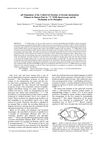
February 1998 in “Polymer journal” This study found that the stability of the coiled-coil structure in human hair keratin is maintained by ion-pairing and hydrophobic interactions, which are disrupted as pH approaches 7.0.
This review discusses the role of norepinephrine release and protein kinase C activation in the development of benign prostatic hypertrophy, suggesting potential targets for new therapies, but it reports no new clinical results.
September 2025 in “Journal of Zhejiang University (Medical Sciences)” This review highlights how peripheral nerves play key roles in skin wound healing by modulating immune responses, regulating stem cell functions, and promoting vascularization, suggesting potential avenues for therapeutic strategies targeting neuroregulation.
 November 2024 in “Journal of Cosmetic Dermatology”
 This study found that valproic acid-loaded microemulsion formulations enhanced skin penetration pathways in guinea pigs compared to an aqueous solution, with composition elements like oil content and surfactant ratios significantly affecting drug delivery performance.
April 2021 in “Journal of Investigative Dermatology” New inhibitors may help treat hair loss by promoting fat cell growth in the skin.
 21 citations
,
January 2018 in “PLoS Genetics”
21 citations
,
January 2018 in “PLoS Genetics” This study found that certain keratin gene mutations associated with pachyonychia congenita are linked to altered enamel structure and increased risk of dental caries.
 31 citations
,
August 2005 in “The American Journal of Dermatopathology”
31 citations
,
August 2005 in “The American Journal of Dermatopathology” This study investigated the histopathology of ectodermal dysplasia/skin fragility syndrome, identifying specific skin and hair abnormalities associated with PKP1 gene mutations in two young female patients.
This study identified that α-ketobutyrate (α-KB) extends lifespan and improves health markers in Caenorhabditis elegans and aged mice by modulating pyruvate metabolism and activating AMPK pathways, with potential implications for human anti-aging treatments.
 4 citations
,
January 1994 in “Yakugaku zasshi”
4 citations
,
January 1994 in “Yakugaku zasshi” In this study, EPC-K, a compound with antioxidant and moisturizing effects, was found to decompose significantly under certain conditions, impacting its stability in quasi drug hair-growing products.
 46 citations
,
August 2003 in “The journal of investigative dermatology/Journal of investigative dermatology”
46 citations
,
August 2003 in “The journal of investigative dermatology/Journal of investigative dermatology” This study found that phosphatidic acid promotes hair growth by stimulating cell proliferation and protecting against apoptosis in murine hair epithelial cells, unlike lysophosphatidic acid, which showed limited effects.
February 2026 in “Chemical Engineering Journal” This study found that a novel nano-engineered platform, PCA, significantly promoted hair regeneration in an androgenetic alopecia mouse model by enhancing angiogenesis and hair follicle stem cell proliferation, showing promise for future hair regrowth treatments.
65 citations
,
February 2018 in “The Plant Journal” This study found that PLDζ2 and NPC4 enzymes play distinct roles in lipid remodeling and root hair growth in Arabidopsis under phosphate deficiency, influencing root hair density and length in a tissue- and time-specific manner.
26 citations
,
March 1995 in “Differentiation” This study isolated and sequenced the complete gene rKAP4L1, which encodes a cysteine-rich hair keratin-associated protein in rabbit hair follicles.
 5 citations
,
July 2014 in “Acta Crystallographica Section D-biological Crystallography”
5 citations
,
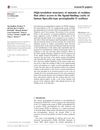
July 2014 in “Acta Crystallographica Section D-biological Crystallography” This study reports that mutations in human L-PGDS affect the entrance and exit of ligands in its binding cavity, suggesting these residues play a role in ligand interaction processes.
 April 2023 in “Cancer research”
 This study suggests that KRTAP2-3 may serve as a novel biomarker to identify cells in the polyaneuploid cancer cell state, which is linked to therapy resistance and poor prognosis in prostate cancer.