2 citations
,
October 2025 in “Cells” This review discusses the multifunctional role of PKM2 in promoting cardiac repair and regeneration, highlighting its potential as a therapeutic target in cardiovascular medicine, but reports no new experimental results.
24 citations
,
June 2015 in “Journal of Investigative Dermatology” This study observed that epidermal-specific deletion of aPKCλ in mice disrupts hair follicle stem cell quiescence, leading to altered hair follicle cycling and skin anomalies.
 April 2017 in “Journal of Investigative Dermatology”
 This study suggests that PKCß plays a critical role in modulating the dermal inflammatory microenvironment in response to dietary lipids in mice.
 10 citations
,
January 2013 in “Journal of skin cancer”
10 citations
,
January 2013 in “Journal of skin cancer” In this study, PKC ε transgenic mice exposed to ultraviolet radiation showed increased hair follicle stem cell frequency and altered gene expression compared to wild-type mice, suggesting a potential role in skin cancer susceptibility.
June 2025 in “Histopathology” This study found that in superficial angiomyxomas, S100A4-positive mesenchymal niches may induce non-neoplastic adnexal epithelial growth, and highlighted evidence of mesenchymal-to-epithelial transition in eccrine duct branching, especially in Carney's complex cases.
76 citations
,
February 2007 in “Cancer Research” This study reported that UVR induced PKCε phosphorylation of Stat3 in transgenic mice, suggesting a role in enhancing sensitivity to UVR-related skin cancer development.
 January 2025 in “Nature Communications”
 This study discovered that calcium dependent protein kinase 1 (CPK1) directly activates cyclic nucleotide-gated channels 5, 6, and 9, promoting root hair growth in Arabidopsis by regulating Ca²⁺ signaling.
November 2022 in “Munich Personal RePEc Archive (Ludwig Maximilian University of Munich)” In this study, the pi4kβ1β2 double mutant in Arabidopsis thaliana exhibited altered root growth, increased susceptibility to Blumeria graminis, and a potential correlation between PI4K activity and auxin response and immunity due to changes in vesicular trafficking and actin filaments.
19 citations
,
September 1971 in “Journal of Investigative Dermatology”  84 citations
,
December 2018 in “Genetics in Medicine”
84 citations
,
December 2018 in “Genetics in Medicine” This article reviews evidence- and consensus-based recommendations for using pegvaliase in adults with PKU and reports no new clinical results.
10 citations
,
July 2023 in “Pharmaceutics” In this study using mice and human keratinocyte cells, researchers found that activating PKM2-mediated glycolysis and Wnt/β-catenin signaling, particularly via combined treatments, significantly accelerated wound healing and induced angiogenesis in wound beds.
26 citations
,
June 2003 in “PubMed” In this study, severe hair loss occurred in PKC epsilon transgenic mice treated with DFMO during skin tumor prevention, highlighting a link between polyamine biosynthesis, hair follicle maintenance, and metastasis suppression.
17 citations
,
January 2016 in “Journal of Drug Delivery” In this study, PEG and keratin scaffolds selectively influenced protein release rates based on charge and size, suggesting their potential for targeted delivery of protein therapeutics.
 1 citations
,
November 1987 in “Journal of The American Academy of Dermatology”
1 citations
,
November 1987 in “Journal of The American Academy of Dermatology” Isotretinoin can raise CPK levels, so patients need monitoring, especially before surgery.
10 citations
,
April 1999 in “British journal of dermatology/British journal of dermatology, Supplement” This study found that anthralin and sodium dodecyl sulfate accelerated hair growth in mice, potentially involving different skin protein kinase C isoform responses.
14 citations
,
August 2021 in “Molecular Genetics and Metabolism Reports” This case series highlights the real-world challenges and experiences of US healthcare providers using pegvaliase for phenylketonuria treatment, emphasizing patient education on adverse events and dietary changes, and tailored titration schedules, while reporting that most patients achieved treatment efficacy despite initial adverse events.
 18 citations
,
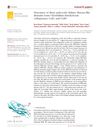
February 2015 in “Acta Crystallographica Section D: Structural Biology”
18 citations
,
February 2015 in “Acta Crystallographica Section D: Structural Biology” This study reports that Ca 2+ binding alters the dynamics and surface properties of PKD-like domains in Clostridium histolyticum collagenases, enhancing their stability and potentially aiding in collagen-targeting vehicle development.
35 citations
,
January 2006 in “Cancer Research” This study found that overexpressing PKCδ in transgenic mice did not reduce squamous cell carcinoma development induced by UV radiation, despite its effectiveness against TPA-promoted cancer in these mice.
2 citations
,
July 2004 in “Cell Biology International” This study found that urokinase plasminogen activator (uPA) is elevated in hyperproliferative hair follicle keratinocytes in mice, and its inhibition significantly reduces their proliferation.
 84 citations
,
June 2010 in “The Plant Cell”
84 citations
,
June 2010 in “The Plant Cell” In this study, disruptions in phospholipase A2 activity in Arabidopsis thaliana significantly impaired the plasma membrane localization of PIN proteins, affecting auxin transport and root development.
52 citations
,
May 1997 in “Journal of Biological Chemistry” This study suggests that polyamines regulate CK2 enzyme activity and its subcellular distribution, as demonstrated in mouse models and cell cultures with elevated levels of ornithine decarboxylase.
11 citations
,
January 2016 in “International Journal of Biological Macromolecules” This study found that enzymatic phosphorylation of hair keratin increased its capacity to adsorb cationic components like methylene blue and may have practical implications for hair care products.
151 citations
,
August 2011 in “The EMBO Journal” The enzyme PA-PLA1α is important for proper hair follicle development.
November 2025 in “JDDG Journal der Deutschen Dermatologischen Gesellschaft” This study documented a case of an 11-month-old with PKU who developed acrodermatitis enteropathica-like symptoms due to severe phenylalanine deficiency, requiring dietary adjustment to restore phenylalanine levels.
84 citations
,
May 2008 in “Biological Chemistry” This review discusses the roles of human tissue kallikreins in skin physiology and pathology and reports no new findings, emphasizing their potential involvement in various skin functions and conditions.
January 2005 in “Life sciences” This review discusses the pathophysiologic role of lysophosphatidic acid in the skin and reports no clinical results, suggesting pharmacological inhibition as a potential treatment for various skin disorders.
 7 citations
,
September 2019 in “Journal of Cellular Physiology”
7 citations
,
September 2019 in “Journal of Cellular Physiology” In this study, Akt2 and the oncogenic protein Tcl1 were found to be essential for early blastomere proliferation and embryo development in preimplantation mouse embryos.
 January 2022 in “Social Science Research Network”
 This study found that activating both PKM2 and Wnt/β-catenin signaling enhanced hair re-growth and HFSCs proliferation in mice, suggesting a potential treatment strategy for alopecia.
 4 citations
,
January 2001 in “Archives of Biochemistry and Biophysics”
4 citations
,
January 2001 in “Archives of Biochemistry and Biophysics” This study found that TPA induces apoptosis in pig renal epithelial cells by affecting cell cycle proteins, and activated ras can prevent this process.
 June 2020 in “Nihon Ika Daigaku Igakkai Zasshi”
 This study found that aPKCλ, but not aPKCζ, plays a critical role in maintaining hair follicle stem cell populations and promoting wound healing in the epidermis.