23 citations
,
February 2017 in “Journal of dermatology” This meta-analysis suggests that patients with alopecia areata have lower serum levels of zinc and selenium compared to healthy controls, which may be important risk factors for the condition.
 79 citations
,
January 2017 in “Dermatology practical & conceptual”
79 citations
,
January 2017 in “Dermatology practical & conceptual” This article addresses the need to screen for nutrient deficiencies in patients with hair loss but reports no new findings, noting that supplementation without deficiency may not be beneficial and could pose risks.
 11 citations
,
May 2016 in “Journal of Cutaneous Medicine and Surgery”
11 citations
,
May 2016 in “Journal of Cutaneous Medicine and Surgery” This study found that skin diagnoses in rheumatology patients were often unrelated to their underlying rheumatologic diseases, highlighting the importance of collaboration between dermatologists and rheumatologists.
52 citations
,
July 2015 in “International Journal of Dermatology” This study found that patients with alopecia areata had significantly lower serum zinc levels, which correlated inversely with disease severity, duration, and resistance to therapies, suggesting zinc assessment as a marker of disease status.
 13 citations
,
January 2013 in “Molecular genetics and metabolism”
13 citations
,
January 2013 in “Molecular genetics and metabolism” This study reported that mice on a phenylalanine-deficient diet showed symptoms such as weight loss, gastric dilation, and thymic depletion, which echo human phenylalanine deficiency manifestations.
 40 citations
,
January 2013 in “Journal of Korean Medical Science”
40 citations
,
January 2013 in “Journal of Korean Medical Science” This study found that serum ferritin levels were lower in premenopausal women with female pattern hair loss compared to healthy controls, suggesting a potential role for iron in hair loss.
 62 citations
,
January 2013 in “Skin Pharmacology and Physiology”
62 citations
,
January 2013 in “Skin Pharmacology and Physiology” This study found that low serum ferritin and vitamin D2 levels are associated with hair loss in females with chronic telogen effluvium and female pattern hair loss, suggesting potential benefits of screening and supplementation.
 27 citations
,
March 2012 in “Dermatologic Therapy”
27 citations
,
March 2012 in “Dermatologic Therapy” In this study, all five patients with zinc deficiency-related hair loss experienced improvement or recovery of their condition after receiving oral zinc treatment.
 101 citations
,
August 2010 in “PLoS ONE”
101 citations
,
August 2010 in “PLoS ONE” In this mouse study, severe selenoprotein deficiency in epidermal cells was linked to skin abnormalities, disrupted hair follicle development, and progressive alopecia, highlighting the role of selenoproteins in skin and hair health.
98 citations
,
February 2010 in “Dermatology Online Journal” This article outlines the potential for upregulating the vitamin D receptor in treating hair disorders, emphasizing the need for further studies to evaluate vitamin D's role in the hair cycle.
93 citations
,
January 2009 in “PubMed” This study found that women with serum ferritin levels below or equal to 30 ng/mL have a strong association with an increased risk of diffuse telogen hair loss.
 65 citations
,
January 2009 in “Annals of Dermatology”
65 citations
,
January 2009 in “Annals of Dermatology” In this study, oral zinc supplementation for twelve weeks increased serum zinc levels in alopecia areata patients with low zinc, showing positive hair regrowth in 66.7% of participants, though this was not statistically significant.
43 citations
,
April 2005 in “The Journal of Dermatology” This case report describes a 5-month-old Japanese infant with biotin deficiency, where daily oral biotin supplementation led to significant improvements in skin conditions and hair growth.
22 citations
,
December 1992 in “The journal of pediatrics/The Journal of pediatrics” This study reported that oral zinc therapy improved hair and skin abnormalities in patients with dry brittle hair, alopecia, and other symptoms, regardless of demonstrated zinc deficiency.
 47 citations
,
July 1967 in “Science”
47 citations
,
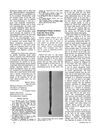
July 1967 in “Science” This study observed morphological changes in scalp hair follicles of humans deprived of protein for 15 days, which suggests potential use in diagnosing protein-calorie malnutrition.