 May 2023 in “Journal of pharmacognosy and phytochemistry”
 This study conducted a comprehensive pharmacognostic and phytochemical analysis of Sphagneticola calendulacea stem, identifying tannin-filled cells, various secondary metabolites, and significant physicochemical characteristics, which could aid in authenticating the plant for therapeutic use.
28 citations
,
September 2021 in “EMBO reports” In this study, researchers used cryo-electron microscopy to reveal how the natural compound osthole inhibits TRPV3 channels by binding to specific sites, changing the channel's conformation.
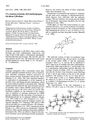 December 1998 in “Acta Crystallographica Section C-crystal Structure Communications”
 This study describes the molecular conformation and intermolecular interactions in the crystalline structure of the compound C24H31BrO4.
 25 citations
,
May 2003 in “Expert Opinion on Therapeutic Patents”
25 citations
,
May 2003 in “Expert Opinion on Therapeutic Patents” This review examines patents and publications on steroid sulfatase inhibitors since 1999 and reports no new clinical results, highlighting their potential for treating estrogen- and androgen-driven conditions.
 20 citations
,
June 2007 in “Recent Patents on Endocrine, Metabolic & Immune Drug Discovery”
20 citations
,
June 2007 in “Recent Patents on Endocrine, Metabolic & Immune Drug Discovery” This review summarizes recent research and patents on 17β-HSD3, 17β-HSD5, and 3α-HSD3 inhibitors, suggesting their potential in treating androgen-dependent diseases, but reports no new clinical results.
 June 2026 in “Oriental Journal Of Chemistry”
 This research found that a novel dehydroepiandrosterone derivative (12) significantly reduces cell viability and increases apoptosis in testosterone-stimulated normal and tumor prostate cells, unlike finasteride and dutasteride, which also showed activity under dihydrotestosterone stimulation.
December 2016 in “University of Birmingham Institutional Research Archive (University of Birmingham)” This study found that manipulating 5αR2 activity in human hepatocytes in vitro can regulate lipogenesis, with potential clinical implications for patients taking 5αR inhibitors.
 10 citations
,
October 2018 in “Plant Biotechnology”
10 citations
,
October 2018 in “Plant Biotechnology” This study identified two cytochrome P450 enzymes in Avicennia marina leaves that may contribute to the biosynthesis of triterpenoids, potentially responsible for the plant's medicinal properties.
January 2025 in “European Journal of Pharmacology” This study found that forsythoside A, a compound from Forsythia suspensa, may counteract DHT-induced hair regrowth inhibition by selectively inhibiting TRPV3 channels.

This study observed that, after 90 hours of light exposure, Finasteride retained 57% of its concentration, whereas Diclofenac and Naproxen retained only 12% and 9%, respectively.
33 citations
,
May 1984 in “Journal of Pharmacy and Pharmacology” This study found that while systemic absorption of DHT from liposomes was negligible, the topical biological effect was weaker compared to DHT dissolved in acetone on the female hamster flank organ model.
12 citations
,
January 2018 in “Pharmacology & pharmacy” This study found that components derived from Uromedic® pumpkin seeds, especially Δ7-sterols, may inhibit DHT production and AR binding, potentially benefiting prostate and bladder health by moderating these mechanisms.
 October 2025 in “Records of Natural Products”
 This research found that kaempferol, a flavonoid from hair growth-promoting plants, significantly enhanced human dermal papilla cell proliferation and inhibited specific signaling pathways, outperforming minoxidil, with topical application in mice promoting hair growth and thickness, indicating potential as a natural hair loss treatment.
May 2025 in “OPAL (Open@LaTrobe) (La Trobe University)” In this study, computational analysis identified six molecules, including Jamogenin, as effective in binding to the enzyme 5-alpha reductase (5-AR) from herbal extracts like nettle, saw palmetto, and fenugreek, suggesting potential for hair loss treatments.
 7 citations
,
September 2022 in “Communications biology”
7 citations
,
September 2022 in “Communications biology” This research found that Leydig cells significantly rely on synthesizing omega-6 HUFAs to support male steroid hormone production, highlighting a new role for these fatty acids in the male reproductive system.
 January 2024 in “Journal of Applied Pharmaceutical Science”
 This study identified procyanidin B2 and leucopelargonidin from Saraca asoca as potential inhibitors in PCOS by showing high binding energy scores against key enzymes involved in estrogen and testosterone biosynthesis.
 July 2023 in “CRC Press eBooks”
 This review explores plant-based pharmacological advances for treating polycystic ovary syndrome, reporting no new clinical results but highlighting potential benefits for menstrual cycle regulation and testosterone reduction.
 1 citations
,
May 2022 in “Frontiers in Pharmacology”
1 citations
,
May 2022 in “Frontiers in Pharmacology” This study found that astilbin downregulates effector CD4+ T cell activities through the CYP1B1/ROS/PPARγ pathway, suggesting its potential use in treating inflammation.
82 citations
,
January 1994 in “Skin Pharmacology and Physiology” This study found that human skin with hair follicles and sebaceous glands absorbed significantly more steroids than scar skin without these appendages, indicating their role in steroid penetration.
14 citations
,
May 2005 in “Steroids” This study describes the synthesis of finasteride from 4-androstene-3,17-dione in a seven-step process with an overall yield of 18.6%.
 4 citations
,
January 1989 in “Journal of Steroid Biochemistry”
4 citations
,
January 1989 in “Journal of Steroid Biochemistry” This study suggests that 5-ADIOL-S may contribute to the synthesis of potent androgens in peripheral tissues, and 3 alpha-DIOL-S could be a marker of androgen metabolism in various female patient groups.
 1 citations
,
July 2017 in “Journal of Pharmacognosy and Phytochemistry”
1 citations
,
July 2017 in “Journal of Pharmacognosy and Phytochemistry” This study identifies various phytochemicals in Thuja orientalis bark, potentially aiding its botanical identification and quality standardization.
 1 citations
,
January 2003 in “Expert Opinion on Therapeutic Patents”
1 citations
,
January 2003 in “Expert Opinion on Therapeutic Patents” This review discusses the development and potential therapeutic applications of steroid sulfatase inhibitors for hormone-dependent disorders and cognitive dysfunction, reporting no new clinical results.
22 citations
,
March 2003 in “Steroids” This study found that both finasteride and a new steroidal compound, PM-9, competitively inhibit the 5α-reductase enzyme in Penicillium crustosum broth.
 March 2026 in “International Journal of Science and Research (IJSR)”
 This research focused on Eclipta prostrata, revealing unique anatomical features and bioactive compounds such as alkaloids and flavonoids that can aid in reliable identification and quality control of this medicinal herb, commonly used for hair growth and liver health.
August 2023 in “Apple Academic Press eBooks” This review highlights that various parts of Eclipta prostrata contain compounds with potential antioxidant, anti-inflammatory, hepatoprotective, and hair growth-promoting effects, among other activities.
 17 citations
,
June 2012 in “European journal of medicinal chemistry”
17 citations
,
June 2012 in “European journal of medicinal chemistry” This study found that compounds 21–23 and 25 exhibited strong 5α-reductase II inhibition in vitro and significantly reduced rat prostate weight, performing comparably to finasteride.
13 citations
,
January 1997 in “Biochemical Pharmacology” This study found that human liver dehydroepiandrosterone sulfotransferase (DHEA ST) catalyzes the sulfate conjugation of minoxidil, indicating another pathway contributing to its metabolism in humans.
 30 citations
,
October 2015 in “Journal of Ethnopharmacology”
30 citations
,
October 2015 in “Journal of Ethnopharmacology” This study identified several compounds from traditional Chinese medicines that may inhibit prostaglandin D2 synthase, potentially providing promising candidates for treating androgenic alopecia with minimal adverse skin reactions.
 7 citations
,
April 2021 in “Journal of advanced pharmaceutical technology & research”
7 citations
,
April 2021 in “Journal of advanced pharmaceutical technology & research” This study reported that compound 16 (olean-12-en-3beta-ol, cinnamate) from Merremia peltata showed potential as an androgen receptor antagonist, suggesting it may benefit alopecia treatment based on molecular docking and ADME-Tox predictions.