This study identified ISPP-Rb, a novel immuno-stimulatory complex from Royoporus badius, that significantly activates murine macrophage cells and induces multiple proinflammatory cytokines.
 November 2025 in “Communications Materials”
 This research demonstrated that transforming pomelo peel into expanded sponges and carbonized aerogels can accelerate hemostasis and enhance healing in diabetic wounds while eradicating bacterial biofilms, offering an eco-friendly solution for wound care from agricultural waste.
3 citations
,
June 2017 in “Journal of Physiology & Pathology in Korean Medicine” This study found that Puerariae Radix ethanol extracts increased the proliferation of human hair dermal papilla cells via ERK and Akt phosphorylation, suggesting potential benefits for alopecia treatment.
1 citations
,
October 2018 in “PubMed” In a mouse model of infected burns, this study found that treatment with recombinant fusion peptide EK significantly decreased Pseudomonas aeruginosa colony count and improved wound healing rates compared to controls.
1 citations
,
January 2008 in “Massey Research Online (Massey University)” This study found that enzyme depilation of lambskins can cause damage due to the removal of collagen VI, suggesting the need for a protease that avoids this interaction for successful application.
 2 citations
,
November 2023 in “International Journal of Preventive Medicine and Health (IJPMH)”
2 citations
,
November 2023 in “International Journal of Preventive Medicine and Health (IJPMH)” This study explored the effects of a 50% hydroalcoholic UPBF extract on BPH in testosterone propionate-induced rats, finding significant improvements in prostate-related parameters and lower urinary tract symptoms at a 200 mg/kg dose, suggesting potential use in BPH management.
 October 2024 in “Current Trends in Biotechnology and Pharmacy”
 In this study, researchers developed a halal shampoo containing Centella asiatica and Phyllanthus emblica extracts, finding that a formula with specific concentrations exhibited high antioxidant activity and ideal physicochemical properties for hair cleansing and potential hair growth promotion.
November 2025 in “Quantum Wellness : Jurnal Ilmu Kesehatan” This study analyzed the ethanol extract of pacing tawar leaves and found it contains alkaloids, saponins, tannins, and steroids but not flavonoids, suggesting potential for use in natural medicinal products.
 September 2023 in “International Journal of Science and Research (IJSR)”
 In this case study, PRP and PRF treatments helped achieve complete healing of chronic wounds, including a chemical burn ulcer in three weeks and a pilonidal sinus post-incision in eight weeks, suggesting potential benefits for chronic wound management.
 9 citations
,
November 2015 in “Key Engineering Materials”
9 citations
,
November 2015 in “Key Engineering Materials” This abstract discusses the challenges faced by the wool industry in Baluchistan, Pakistan, highlighting the need for improved education and technical resources for wool shearing and processing, but reports no new research results.
 46 citations
,
July 2007 in “Journal of comparative neurology”
46 citations
,
July 2007 in “Journal of comparative neurology” This study found that Florida manatees have unique types of specialized nerve endings in their vibrissae, which assist in their sensory and manipulative functions in aquatic environments.
 125 citations
,
May 2019 in “Phytomedicine”
125 citations
,
May 2019 in “Phytomedicine” This review discusses the historical development, mechanisms of action, and potential new clinical applications of the drug cepharanthine, highlighting its multi-faceted pharmacological properties; it reports no new clinical results.
 36 citations
,
June 2021 in “Experimental & Molecular Medicine”
36 citations
,
June 2021 in “Experimental & Molecular Medicine” This study found that mechanical stress activates a WISP-1/Hedgehog signaling axis that contributes to ligamentum flavum hypertrophy and fibrosis, identifying Hedgehog signaling as a potential therapeutic target.
 12 citations
,
January 2013 in “IOSR Journal of Agriculture and Veterinary Science”
12 citations
,
January 2013 in “IOSR Journal of Agriculture and Veterinary Science” In this study, homogenous platelet rich plasma gel improved wound healing in goats, showing organized collagen and new hair growth within 15 days without inflammation.
10 citations
,
November 2023 in “European Journal of Lipid Science and Technology” This study found that the ethanolic extract of walnut fruit diaphragm significantly improved lipid profiles, reduced oxidative stress, and had anti-inflammatory effects in hyperlipidemic rats.
 September 2016 in “International Journal of Herbal Medicine”
 This study undertook powder microscopy and preliminary phytochemical analysis of Buxus wallichiana's stem bark and leaves, identifying steroids, alkaloids, saponins, and glycosides without reporting clinical outcomes.
 January 2024 in “Brazilian Journal of Veterinary Pathology”
 In this case report, veterinarians observed a 16-year-old mare with symptoms including chronic weight loss, pruritus, muscle atrophy, and lameness, which gradually progressed to neurological issues despite initial treatment.
 1 citations
,
December 2017 in “JAMA Facial Plastic Surgery”
1 citations
,
December 2017 in “JAMA Facial Plastic Surgery” This study found that both PHDPE and ePTFE hair-bearing scaffolds were well tolerated in a rat model, with minimal infection or extrusion, though artificial hair showed progressive loss over time.
6 citations
,
April 2019 in “Advances in Pharmacology and Pharmacy” This study found that methanol extract of Mimosa pudica showed dose-dependent sedative effects in mice, suggesting its potential for developing new sedative and anti-anxiety medications.
 December 2014 in “Bangladesh Journal of Veterinary Medicine”
 In this study, mixed lice infestations and their associated skin changes were observed in the Egyptian lesser blind mole rat, marking the first report of such findings in this species.
 March 2025 in “Plastic & Reconstructive Surgery Global Open”
 This study reported that participants applying topical human platelet exosome extract serum experienced significant improvements in hair volume, density, scalp coverage, and overall hair health compared to a placebo, and no adverse effects were observed.
January 2015 in “Zhongguo haiyang yaowu” This study found that collagen oligopeptides from puffer skin may reduce skin melanin and increase hydroxyproline content in guinea pigs, suggesting potential skin whitening and anti-aging effects.
253 citations
,
April 2009 in “Journal of Biological Chemistry” This study found that p2y5 functions as a novel LPA receptor involved in the G13-Rho signaling pathway, with implications for human hair growth, and proposes renaming it to LPA6.
 January 2026 in “Zenodo (CERN European Organization for Nuclear Research)”
 In this study, a herbal hair wax stick incorporating extracts of Tulsi, Amla, and Bhringraj was formulated and evaluated, with the F3 formulation showing the best balance of pH, spreadability, antimicrobial, and antioxidant activity, suggesting it as a natural alternative to synthetic hair styling products.
 November 2023 in “International Journal of Cosmetic Science”
 This study found that a wheat polar lipid complex supplement significantly reduced hair loss and improved hair growth and volume in women experiencing acute hair shedding, including postmenopausal women.

This study demonstrated that the differential wetting characterization (DWC) method can effectively differentiate changes in the wetting properties of hair fibers after chemical or physical treatment.
 March 2026 in “Zenodo (CERN European Organization for Nuclear Research)”
 In this study, a polyherbal gel containing ingredients like Phyllanthus emblica and Melaleuca alternifolia was formulated to manage folliculitis, potentially offering a safe, effective alternative to conventional treatments by reducing microbial infections, relieving inflammation, and promoting healing.
January 2010 in “대한미용학회지” This study observed that Polygoni mulitiflori Radix water extracts accelerated hair regrowth in mice by enhancing enzyme activities and increasing IGF-1 gene expression related to hair growth.
 October 2025 in “Advanced Healthcare Materials”
 In a study on wound healing, researchers described injectable POEGMA‐DA hydrogels as a promising non-toxic alternative to traditional wound closure methods, showing effective tissue adhesion and enhanced regeneration of skin structures in a mouse model without significant inflammation.
 13 citations
,
November 2009 in “Journal of Dermatological Science”
13 citations
,
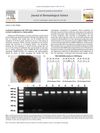
November 2009 in “Journal of Dermatological Science” This article discusses various dermatological studies cited by previous authors and reports no new clinical results.